Same Day Appointments Available


Spot Heatstroke Signs Early and Save Your Dog’s Life
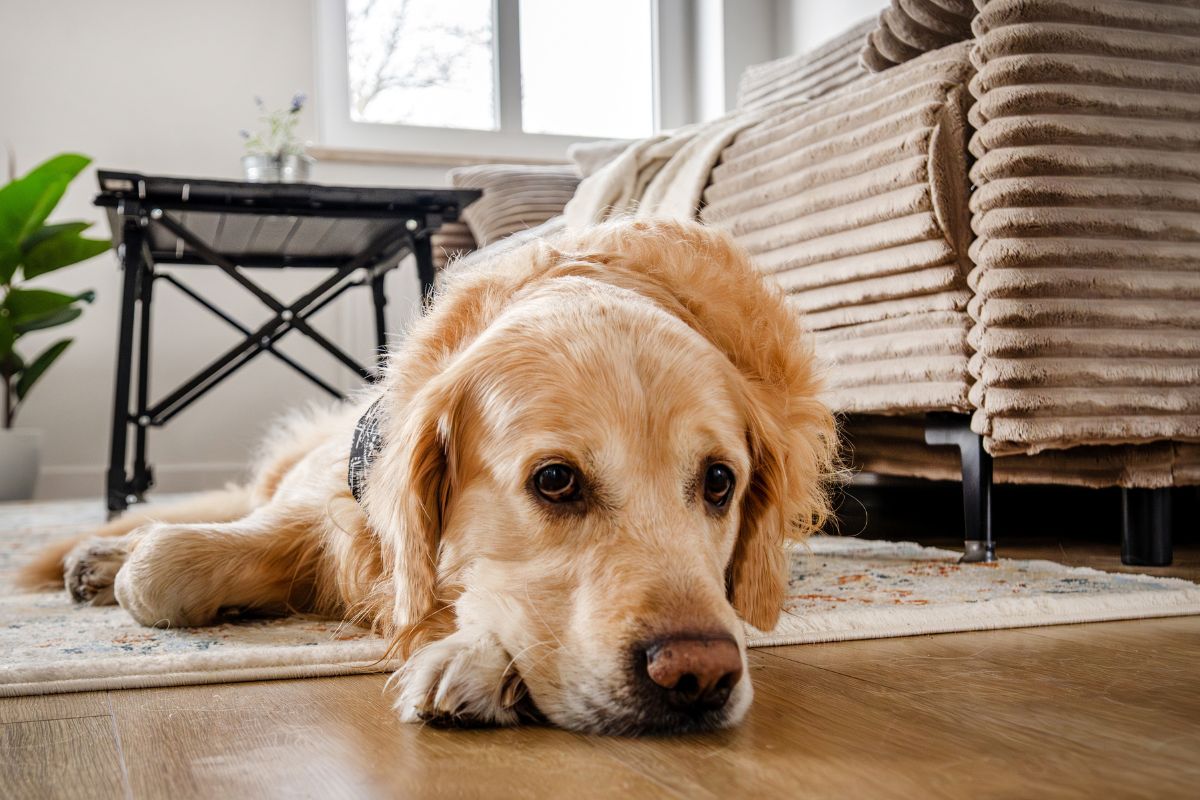
Heatstroke in dogs is a serious and potentially life-threatening emergency that can develop much faster than many pet owners realize. Dogs cannot regulate body temperature the same way humans do, making them especially vulnerable to overheating during warm weather, exercise, or poor ventilation. Without prompt treatment, heatstroke can quickly damage internal organs and become fatal.
Even responsible pet owners may underestimate how quickly dangerous body temperatures can develop. A short walk during humid weather, time spent in a parked vehicle, or intense outdoor activity can place a dog at significant risk. Understanding the early warning signs of overheating can help owners take immediate action before symptoms become severe.
At Toro Park Animal Hospital, veterinarians frequently treat heat-related emergencies during warmer months and stress the importance of recognizing symptoms early. Quick intervention and preventive measures can make a critical difference in protecting a dog’s long-term health and safety.
For pet owners in Salinas, CA, understanding how heatstroke develops and how to respond quickly can help reduce emergency situations and improve outcomes for dogs during hot and humid weather conditions.
What Is Heatstroke in Dogs?
Heatstroke occurs when a dog’s body temperature rises beyond its ability to cool down effectively. Dogs primarily regulate heat through panting and limited sweating through their paw pads. When environmental temperatures or physical activity overwhelm these cooling mechanisms, internal body temperature can rise dangerously high.
Normal canine body temperature typically ranges from 101°F to 102.5°F. Temperatures above this range may begin causing stress to the body, while severe overheating can damage organs such as the:
- Brain
- Kidneys
- Heart
- Liver
- Lungs
Heatstroke should always be treated as a medical emergency.
Common Causes of Heatstroke
Several situations can place dogs at risk for overheating.
Hot Cars
Leaving a dog inside a parked vehicle is one of the most dangerous causes of heatstroke. Temperatures inside a car can rise rapidly within minutes, even if the windows are cracked.
Excessive Outdoor Exercise
Running, hiking, or extended walks during warm weather may overwhelm a dog’s cooling ability.
High Humidity
Humidity makes it harder for dogs to cool themselves through panting, increasing heatstroke risk even when temperatures are not extremely high.
Poor Ventilation
Confined areas with inadequate airflow may trap heat and contribute to overheating indoors or outdoors.
Early Signs of Heatstroke
Recognizing early symptoms may help prevent severe complications.
Heavy Panting
Excessive or rapid panting is often one of the first warning signs. Dogs may continue panting heavily even after resting.
Drooling
Thick saliva or excessive drooling can indicate overheating and stress on the body.
Red Gums or Tongue
Bright red gums or tongue coloration may signal elevated body temperature and circulation strain.
Lethargy
Dogs experiencing heat stress may appear weak, tired, or unwilling to move.
Increased Heart Rate
Rapid heartbeat or restlessness may develop as the body attempts to regulate temperature.
Advanced Heatstroke Symptoms
As overheating worsens, symptoms can become life-threatening.
Emergency warning signs include:
- Vomiting or diarrhea
- Collapse
- Confusion or disorientation
- Difficulty walking
- Seizures
- Pale or blue gums
- Loss of consciousness
Immediate veterinary attention is critical if these symptoms occur.
What to Do If You Suspect Heatstroke
Quick action is extremely important when heatstroke is suspected.
Move the Dog to a Cooler Area
Bring the dog indoors or into shade immediately.
Offer Cool Water
Provide small amounts of cool water if the dog is alert and able to drink safely.
Apply Cool Towels
Use cool, damp towels on areas such as:
- Belly
- Neck
- Paw pads
- Armpits
Avoid using ice or extremely cold water, as rapid temperature changes may create additional complications.
Contact a Veterinarian Immediately
Even if symptoms improve temporarily, internal organ damage may continue developing. Emergency veterinary care is essential after suspected heatstroke.
Which Dogs Face a Higher Risk?
Certain dogs are naturally more vulnerable to overheating.
Higher-risk groups include:
- Bulldogs
- Pugs
- French Bulldogs
- Senior dogs
- Puppies
- Overweight pets
- Dogs with respiratory disease
Flat-faced breeds often struggle to regulate heat efficiently because of their airway structure.
Preventing Heatstroke in Dogs
Preventive measures are the best defense against overheating.
Helpful prevention tips include:
- Avoid walks during peak heat
- Provide constant access to water
- Never leave pets in parked vehicles
- Use shaded areas during outdoor activity
- Limit exercise during humid conditions
- Monitor dogs closely during summer events
Pet owners should also recognize that asphalt and pavement can become dangerously hot and contribute to overheating.
Why Prompt Veterinary Attention Matters
Heatstroke may continue damaging the body even after the dog cools down externally. Professional veterinary care helps evaluate internal complications and stabilize the pet safely.
Treatment may include:
- Intravenous fluids
- Oxygen therapy
- Temperature monitoring
- Bloodwork
- Organ function evaluation
Prompt veterinary care greatly improves recovery chances and may reduce the risk of permanent organ damage.
Heatstroke is a fast-moving emergency that can become life-threatening without quick intervention. Recognizing the early warning signs, reducing heat exposure, and seeking prompt medical attention can help protect dogs from severe complications during warmer weather. Prevention, hydration, and close monitoring remain essential for keeping pets safe and comfortable year-round.
If you’re in Salinas, CA, and need guidance from a vet near you regarding heatstroke prevention or emergency symptoms in your dog, schedule your appointment with Toro Park Animal Hospital. Their team can provide compassionate veterinary care, evaluate your pet’s condition, and help support your dog’s long-term health and safety through every season.
Frequently Asked Questions
Q1. How quickly can heatstroke happen in dogs?
Ans: Heatstroke can develop within minutes in hot or poorly ventilated conditions, especially inside vehicles or during intense exercise.
Q2. Can dogs get heatstroke indoors?
Ans: Yes. Poor ventilation, lack of air conditioning, or enclosed spaces can contribute to overheating indoors.
Q3. Is heavy panting always dangerous?
Ans: Mild panting can be normal, but excessive panting combined with weakness, drooling, or lethargy may indicate heat stress.
Q4. What temperature is unsafe for dogs outdoors?
Ans: Many dogs begin experiencing difficulty in temperatures above 80°F, particularly with humidity or strenuous activity.
Q5. Should I use ice water to cool my dog?
Ans: No. Cool water and damp towels are safer because ice-cold water may worsen circulation problems.
Q6. When should I seek emergency veterinary care?
Ans: Immediate veterinary attention is needed if your dog shows collapse, vomiting, confusion, breathing difficulty, or seizures.