Same Day Appointments Available


Pet Travel Safety Tips for Summer Road Trips (Dogs & Cats)
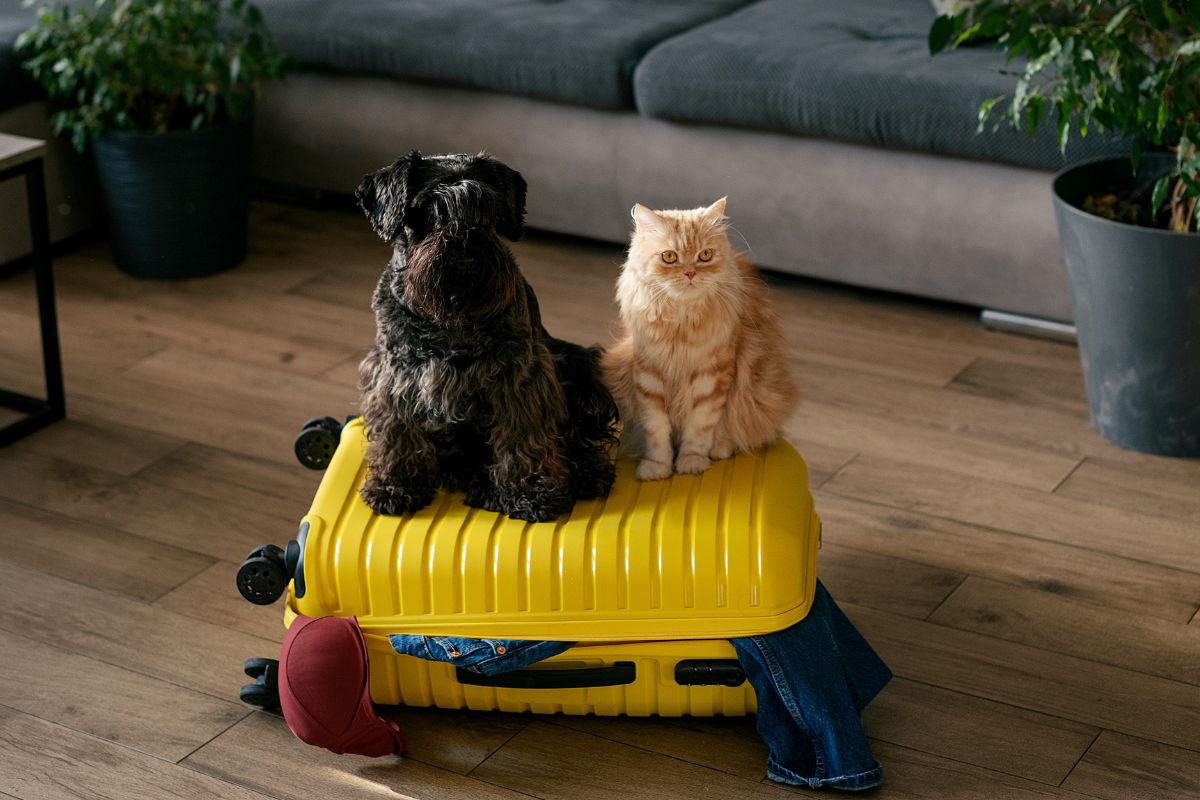
Summer road trips can be exciting opportunities for families to travel, relax, and create lasting memories with their pets. Whether heading to the beach, mountains, or visiting family, many pet owners choose to bring their dogs and cats along for the journey. However, traveling with pets during warm weather requires extra planning to ensure their safety, comfort, and health throughout the trip.
Long car rides, high temperatures, unfamiliar environments, and travel-related stress can all affect pets differently. Without proper preparation, road trips may increase the risk of overheating, dehydration, anxiety, or accidental injury. Understanding how to prepare for summer travel can help reduce stress and improve safety for both pets and owners.
At Toro Park Animal Hospital, veterinary professionals often help pet owners prepare for seasonal travel by discussing preventive care, hydration, and safe transportation practices. Learning how to recognize travel-related risks early can help make summer trips safer and more enjoyable for pets of all ages.
For pet owners in Salinas, CA, understanding summer pet travel safety is especially important during warmer temperatures and extended outdoor activities common throughout the travel season.
Schedule a Pre-Travel Veterinary Checkup
Before taking a long road trip, it is a good idea to schedule a wellness exam for your pet. A veterinarian can evaluate your pet’s overall health and determine whether travel is safe, especially for senior pets or animals with medical conditions.
A pre-travel checkup may include:
- Vaccine updates
- Parasite prevention recommendations
- Medication refills
- Health certificate discussions, if needed
- Travel anxiety guidance
Routine veterinary visits also help ensure your pet’s identification and microchip information are current before traveling.
Use Proper Pet Restraints in the Vehicle
Allowing pets to move freely around a vehicle may create dangerous distractions and increase injury risk during sudden stops or accidents.
Safer travel options include:
- Crash-tested pet carriers
- Secured travel crates
- Pet seatbelt harnesses
- Vehicle barriers for larger dogs
Cats should always travel in secure carriers to reduce stress and prevent escape during travel stops.
Never Leave Pets in a Parked Car
One of the most important summer safety rules is to never leave pets unattended inside a parked vehicle.
Temperatures inside cars can rise rapidly, even with windows partially open. Heat buildup may quickly lead to heatstroke, organ failure, or death.
Signs of overheating may include:
- Excessive panting
- Drooling
- Weakness
- Vomiting
- Collapse
If your pet shows signs of heat stress, immediate cooling and veterinary attention are essential.
Pack Essential Pet Travel Supplies
Preparing a dedicated pet travel kit can help keep your trip organized and reduce stress during emergencies.
Important supplies may include:
- Food and treats
- Bottled water
- Bowls
- Medications
- Leash and harness
- Waste bags
- Favorite toys or blankets
- Medical records
- First-aid supplies
Familiar items may also help anxious pets feel more comfortable in unfamiliar surroundings.
Plan Frequent Rest Breaks
Dogs especially benefit from regular breaks during long road trips. Frequent stops allow pets to stretch, hydrate, and relieve themselves safely.
Try to:
- Stop every few hours
- Offer water regularly
- Avoid excessive outdoor activity during peak heat
- Keep pets leashed at all times during breaks
Cats may prefer quieter rest periods inside secure carriers while traveling.
Keep Pets Hydrated
Hydration is especially important during summer travel. Heat and stress can increase fluid loss, making pets more vulnerable to dehydration.
Helpful hydration tips include:
- Carrying fresh water at all times
- Offering water frequently
- Avoiding prolonged sun exposure
- Using portable travel bowls
- Monitoring for signs of overheating
Pets traveling through hotter climates may require additional water breaks throughout the trip.
Watch for Travel Anxiety
Some pets experience anxiety during car rides, especially if they are not accustomed to travel.
Signs of stress may include:
- Whining
- Excessive drooling
- Pacing
- Vomiting
- Trembling
- Refusing food
Veterinarians may recommend behavioral strategies, calming products, or medications for pets with severe travel anxiety.
Protect Pets at Travel Destinations
Unfamiliar environments can expose pets to additional risks during vacations or road trips.
Safety reminders include:
- Checking for pet-friendly accommodations
- Avoiding hot pavement
- Supervising pets near water
- Keeping pets leashed outdoors
- Preventing access to unfamiliar foods or wildlife
Pet owners should also locate nearby emergency veterinary clinics before arriving at their destination.
Summer Heat Safety During Outdoor Activities
Outdoor adventures are common during summer vacations, but excessive heat can quickly become dangerous.
Avoid outdoor activity during the hottest parts of the day and watch for signs of overheating such as:
- Heavy panting
- Red gums
- Fatigue
- Weakness
- Vomiting
Experienced veterinarians often recommend early morning or evening walks during warmer months to reduce heat-related risks.
Summer road trips can be enjoyable experiences for both pets and owners when proper precautions are taken. Safe transportation, hydration, heat prevention, and careful travel planning all play important roles in protecting pets during long drives and outdoor adventures. Recognizing signs of stress or overheating early can help prevent emergencies and improve travel comfort for dogs and cats alike.
If you’re in Salinas, CA, and need guidance from a vet near you regarding summer travel preparation or pet safety concerns, contact us at Toro Park Animal Hospital. Their team can help evaluate your pet’s health, provide travel recommendations, and support safer, more comfortable adventures for your pets throughout the summer season.
Frequently Asked Questions
Q1. Is it safe for pets to travel long distances by car?
Ans: Yes, many pets can travel safely with proper preparation, hydration, rest breaks, and secure transportation.
Q2. How often should I stop during a road trip with my dog?
Ans: Most dogs benefit from breaks every two to four hours for water, bathroom needs, and stretching.
Q3. Can cats travel safely in cars?
Ans: Yes. Cats should travel in secure carriers to reduce stress and improve safety during travel.
Q4. What are the signs of heatstroke in pets?
Ans: Signs may include excessive panting, drooling, weakness, vomiting, collapse, and difficulty breathing.
Q5. Should pets eat right before traveling?
Ans: Feeding a smaller meal several hours before travel may help reduce motion sickness in some pets.
Q6. How can I help reduce travel anxiety in pets?
Ans: Familiar bedding, calm environments, gradual travel practice, and veterinary guidance may help reduce stress.