Same Day Appointments Available


Recognizing Heat Stroke in Dogs Early: A Lifesaving Guide for Pet Owners
Heatstroke in dogs is a serious and potentially life-threatening condition that can develop quickly – often faster than many pet owners expect. As temperatures rise, understanding the early warning signs becomes essential to protecting your dog’s health. At Toro Park Animal Hospital, veterinary professionals frequently treat heat-related emergencies and emphasize that early recognition can make all the difference. Being prepared and aware is key to keeping dogs safe during warmer months.
What Is Heatstroke in Dogs?
Heatstroke occurs when a dog’s body temperature rises beyond a safe level, typically above 104°F (40°C), and they are unable to cool down effectively. Unlike humans, dogs primarily regulate heat through panting, which makes them more vulnerable to overheating.
Common causes of heatstroke include:
- Being left in a parked car
- Excessive exercise in hot weather
- Limited access to shade or water
- High humidity levels
Even short exposure to these conditions can lead to dangerous consequences.
Early Signs of Heatstroke You Should Never Ignore
Recognizing early symptoms can help you act before the condition becomes severe.
Watch for these warning signs:
- Excessive panting or rapid breathing
- Drooling more than usual
- Bright red gums or tongue
- Lethargy or weakness
- Vomiting or diarrhea
These symptoms indicate that your dog is struggling to regulate body temperature and needs immediate attention.
Advanced Symptoms of Heatstroke
If early signs are missed, heatstroke can quickly progress to more serious complications.
Severe symptoms may include:
- Collapse or inability to stand
- Seizures
- Confusion or disorientation
- Pale or bluish gums
- Unconsciousness
At this stage, heatstroke becomes a medical emergency requiring immediate veterinary care.
What to Do If You Suspect Heatstroke
Quick action can save your dog’s life. If you notice signs of heatstroke:
1. Move Your Dog to a Cooler Area
Bring your dog indoors or into a shaded, well-ventilated space.
2. Begin Cooling Gradually
Use cool (not cold) water to lower body temperature. Avoid ice baths, as they can cause shock.
3. Offer Small Amounts of Water
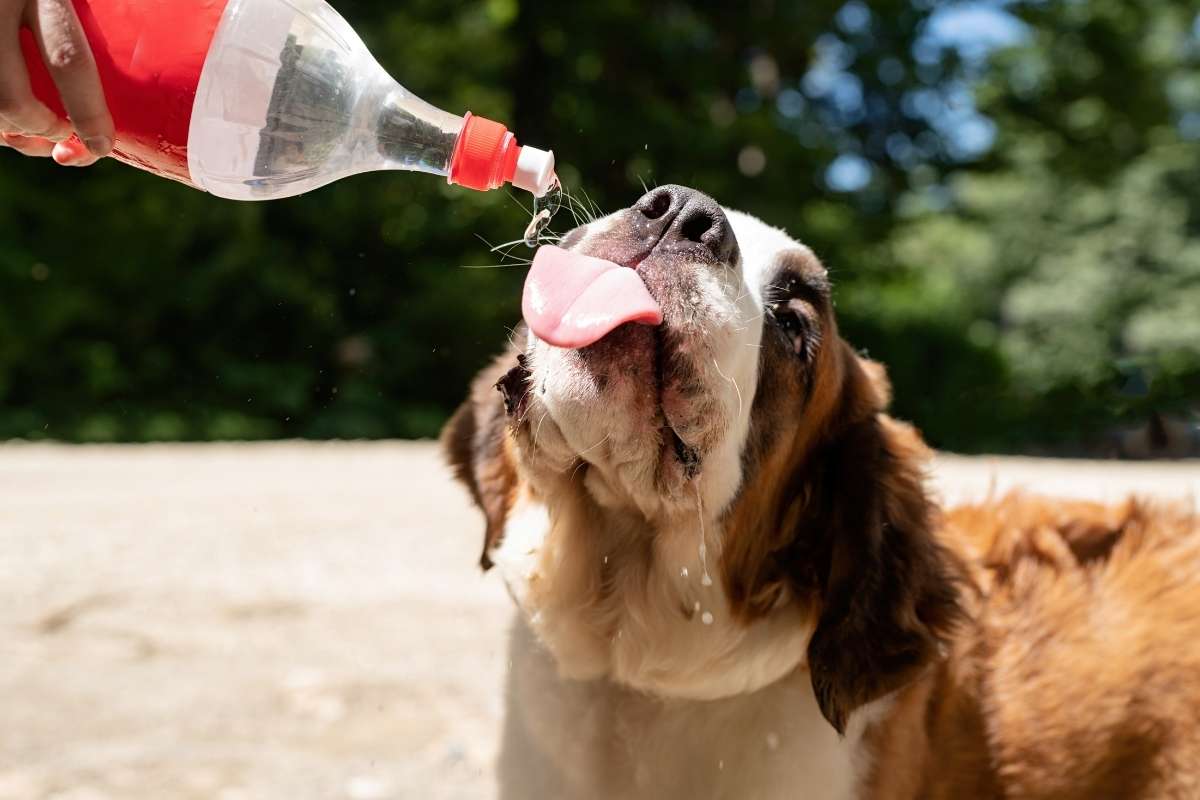
Allow your dog to drink, but don’t force it.
4. Contact a Veterinarian Immediately
Even if symptoms improve, professional evaluation is essential.
Prompt care at a trusted animal hospital can prevent complications and improve recovery outcomes.
Dogs Most at Risk
While all dogs can experience heatstroke, some are more vulnerable than others:
- Brachycephalic breeds (e.g., Bulldogs, Pugs)
- Senior dogs
- Overweight dogs
- Dogs with thick coats
- Pets with underlying health conditions
Understanding your dog’s risk level helps you take extra precautions when needed.
Preventing Heatstroke in Dogs
Prevention is always the best approach. Simple measures can significantly reduce the risk of heat-related illness.
Key prevention tips:
- Avoid walking your dog during peak heat hours
- Provide constant access to fresh water
- Ensure shaded or air-conditioned resting areas
- Never leave your dog in a parked car
- Use cooling mats or vests if necessary
These steps help keep your dog safe and comfortable during warm weather.
Common Questions Pet Owners Ask
Many dog owners have concerns about heat safety, including:
- How hot is too hot for my dog?
- Can dogs recover fully from heatstroke?
- Are certain breeds more sensitive to heat?
- How long does heatstroke take to develop?
- What should I carry during summer walks?
- Are cooling products effective?
Understanding these questions helps you stay better prepared during warmer months.
The Importance of Timely Veterinary Care
Heatstroke can have lasting effects on your dog’s organs, even after initial recovery. That’s why prompt and professional care is essential.
If your dog shows any signs of overheating, don’t delay seeking help. You can schedule your appointment with Toro Park Animal Hospital for expert evaluation and care tailored to your pet’s needs.
Heatstroke is a preventable yet serious condition that requires awareness and quick action. By recognizing early signs and taking preventive steps, you can protect your dog from unnecessary harm.
Staying attentive to your dog’s behavior, especially in hot weather, can make a lifesaving difference. For pet owners seeking reliable guidance and emergency care, experienced support is available through a trusted animal hospital in Salinas, CA.
FAQs
Q1. What temperature is dangerous for dogs?
Ans. Temperatures above 85°F can be risky, especially with high humidity.
Q2. Can heatstroke in dogs be fatal?
Ans. Yes, if not treated quickly, heatstroke can lead to organ failure and death.
Q3. How quickly can heat stroke develop?
Ans. It can occur within minutes, especially in enclosed or poorly ventilated spaces.
Q4. What should I do first if my dog overheats?
Ans. Move them to a cool area and begin gradual cooling before contacting a vet.
Q5. Are some dogs more prone to heatstroke?
Ans. Yes, brachycephalic breeds, senior dogs, and overweight dogs are at higher risk.
Q6. Can I prevent heat stroke completely?
Ans. While not always avoidable, proper precautions greatly reduce the risk.