Same Day Appointments Available


Is Milk Really Safe for Cats? Every Cat Owner Should Know
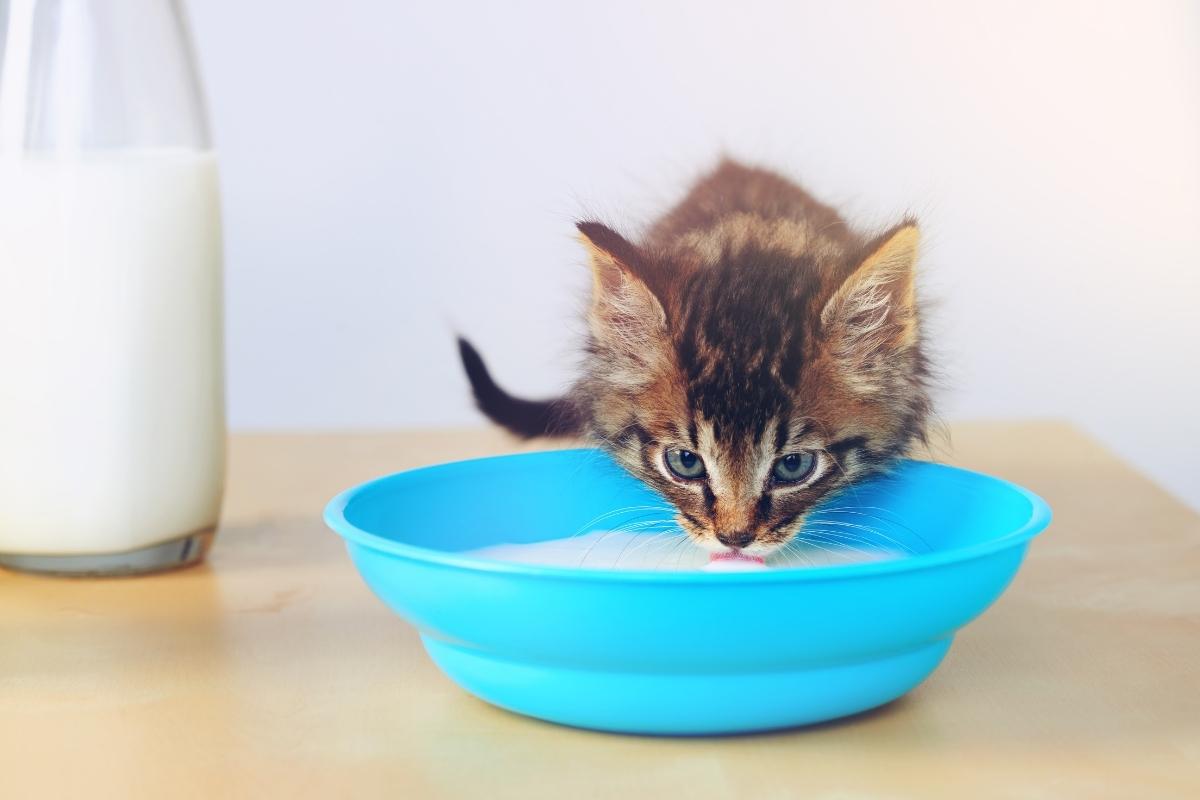
Milk and cats are often portrayed as a perfect match—but is this popular image actually healthy for your feline companion? Many cat owners are surprised to learn that milk may not be as safe as it seems. At Toro Park Animal Hospital, veterinarians frequently educate pet owners about the realities of feline nutrition and how certain foods, including milk, can impact a cat’s digestive health.
Understanding what’s safe—and what isn’t—can help you make better decisions for your cat’s overall health and daily care.
Why Do Cats Love Milk?
Cats are naturally drawn to milk because of its fat content and appealing taste. Kittens, of course, rely on their mother’s milk for nutrition during the early stages of life. However, as cats grow older, their ability to process milk changes significantly.
This is where many misconceptions begin.
The Truth About Cats and Milk
Most adult cats are lactose intolerant. This means they lack sufficient levels of lactase, the enzyme needed to properly digest lactose—the sugar found in milk.
When a lactose-intolerant cat drinks milk, it can lead to digestive issues such as:
- Diarrhea
- Vomiting
- Stomach discomfort
- Gas and bloating
While a small amount of milk may not harm every cat, it’s generally not recommended as a regular part of their diet.
Is Any Type of Milk Safe for Cats?
Not all milk is created equal, but caution is still necessary.
Cow’s Milk:
The most common type, but also the most problematic due to high lactose content.
Goat’s Milk:
Often considered easier to digest, but still contains lactose and can cause issues in sensitive cats.
Lactose-Free Milk for Cats:
Specially formulated cat milk products are available and are generally safer. However, these should still be given in moderation.
Even with safer alternatives, water should always be your cat’s primary source of hydration.
When Milk Might Be Okay
In some cases, a very small amount of milk may be tolerated by certain cats without noticeable side effects. However, this varies from one cat to another.
Milk should only be considered:
- As an occasional treat
- In very small quantities
- If your cat shows no signs of digestive upset
If you’re unsure, consulting a veterinarian is always the safest approach.
Better Alternatives to Milk
If you’re looking to treat your cat, there are healthier and safer options available:
- Fresh, clean water (always essential)
- Commercial cat treats
- Wet cat food for added hydration
- Vet-approved nutritional supplements
Providing balanced nutrition is a key part of responsible pet ownership and long-term health.
The Role of Proper Nutrition in Cat Health
A well-balanced diet tailored to your cat’s age, weight, and health status is essential. Feeding inappropriate foods—even in small amounts—can lead to digestive issues and nutritional imbalances.
Routine veterinary care plays an important role in ensuring your cat’s diet supports their overall health. Regular checkups can help identify sensitivities, allergies, or underlying conditions that may affect digestion.
Signs Your Cat May Have Food Sensitivity
If your cat has consumed milk or other unsuitable foods, watch for these symptoms:
- Loose stools or diarrhea
- Vomiting
- Decreased appetite
- Lethargy
- Abdominal discomfort
If symptoms persist or worsen, it’s important to seek professional advice.
Common Questions Cat Owners Ask
Many cat owners have questions about feeding milk and overall nutrition:
- Can kittens drink regular milk?
- How much milk is too much for a cat?
- Are lactose-free products completely safe?
- What should I do if my cat drinks milk accidentally?
- How can I tell if my cat is lactose intolerant?
- What are the best treats for cats?
Understanding these concerns can help you make informed decisions about your cat’s diet.
When to Consult a Veterinarian
If your cat shows signs of digestive discomfort after consuming milk, or if you’re unsure about their dietary needs, it’s best to seek professional guidance.
For personalized advice and nutritional recommendations, you can schedule your appointment with Toro Park Animal Hospital. Their team can help ensure your cat receives the right care and dietary support for long-term health.
While the image of cats happily drinking milk is deeply rooted in popular culture, the reality is quite different. Most adult cats cannot properly digest milk, making it an unsuitable choice for regular consumption.
Focusing on proper nutrition, hydration, and routine veterinary care will go a long way in keeping your cat healthy and comfortable. These guidelines apply to cat owners everywhere, but those in Salinas, CA, and nearby areas can also access trusted veterinary support when needed.
FAQs
Q1. Can cats drink milk safely?
Ans. Most adult cats are lactose intolerant, so milk can cause digestive issues and is not recommended.
Q2. Is lactose-free milk safe for cats?
Ans. Lactose-free milk is safer but should still be given only occasionally and in small amounts.
Q3. What happens if my cat drinks milk?
Ans. Some cats may experience diarrhea, vomiting, or stomach discomfort.
Q4. Can kittens drink cow’s milk?
Ans. No, kittens should only consume their mother’s milk or a specially formulated kitten milk replacer.
Q5. What should cats drink instead of milk?
Ans. Fresh water is the best and safest option for hydration.
Q6. When should I contact a vet about my cat’s diet?
Ans. If your cat shows signs of digestive issues or you’re unsure about proper nutrition, consult a veterinarian promptly.