Same Day Appointments Available


Do Spayed Female Cats Gain Weight? Causes and Prevention Tips for Owners

Spaying is one of the most common procedures recommended for female cats, helping prevent unwanted litters and providing several long-term health benefits. However, some cat owners notice changes in their pet’s weight after the procedure and may wonder if spaying directly causes weight gain. Understanding the connection between spaying and weight changes can help owners make better decisions about their cat’s diet and lifestyle.
At Toro Park Animal Hospital, we often speak with pet owners who have questions about what to expect after their cat is spayed. While the procedure itself does not directly cause obesity, hormonal changes can influence metabolism and activity levels. With proper nutrition, exercise, and regular veterinary care, most cats maintain a healthy weight after surgery.
This guide explains why weight changes may occur after spaying and shares practical tips to help keep cats healthy, especially for pet owners in Salinas, CA.
Why Spaying Is Important for Female Cats
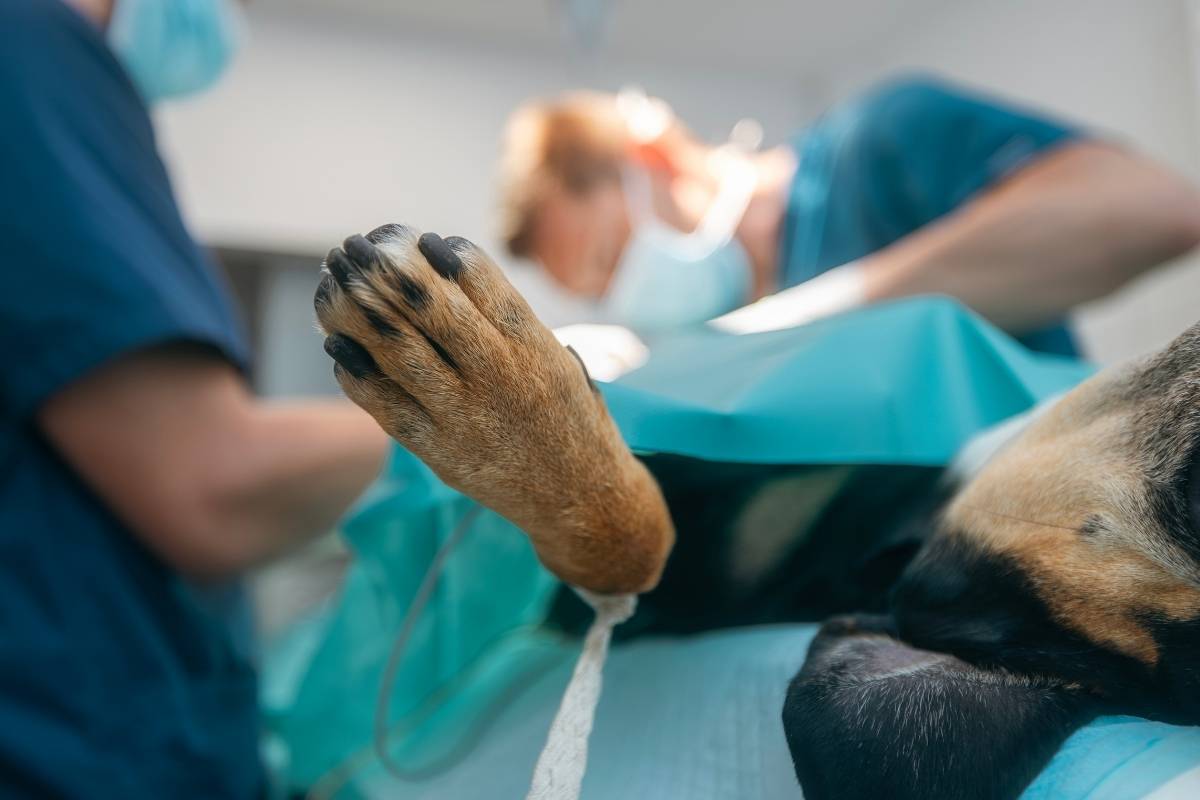
Spaying is a routine veterinary pet surgery that removes a female cat’s reproductive organs. The procedure offers several benefits for both the pet and the owner.
Some of the key advantages include:
- Preventing unwanted pregnancies
- Reducing the risk of uterine infections
- Lowering the chance of certain cancers
- Eliminating heat cycles and related behaviors
Because of these health benefits, veterinarians often recommend spaying as part of responsible pet ownership.
Do Spayed Female Cats Gain Weight?
Spayed cats may have a slightly higher risk of gaining weight, but the procedure itself is not the sole cause. After spaying, hormonal changes can affect a cat’s metabolism and appetite.
These hormonal shifts may result in:
- A slower metabolic rate, meaning the body burns fewer calories
- Increased appetite, which can lead to overeating
- Reduced activity levels in some cats
When these factors combine with a calorie-rich diet or limited exercise, weight gain can occur over time.
Common Causes of Weight Gain After Spaying
Several factors can contribute to weight gain in spayed female cats. Understanding these causes can help owners take proactive steps to prevent obesity.
Hormonal Changes
Spaying alters hormone levels that influence metabolism and appetite. As a result, cats may require fewer calories than they did before surgery.
Overfeeding
Many cats continue receiving the same portion sizes after spaying, even though their calorie needs may decrease. Consistently consuming more calories than they burn can lead to gradual weight gain.
Reduced Physical Activity
Some cats become less active after surgery, especially if they spend most of their time indoors. Lower activity levels mean fewer calories are burned throughout the day.
Age and Lifestyle
Weight gain may also occur naturally as cats age. Indoor lifestyles and limited environmental stimulation can further contribute to reduced activity.
Health Risks of Excess Weight in Cats
Maintaining a healthy weight is important for a cat’s overall well-being. Excess weight can increase the risk of several health problems, including:
- Diabetes
- Joint problems and arthritis
- Heart disease
- Reduced mobility
- Shortened lifespan
Because these conditions can significantly impact a pet’s quality of life, preventing obesity should be a priority for cat owners.
Tips to Prevent Weight Gain in Spayed Cats
Fortunately, there are several practical steps owners can take to help their cats stay healthy after spaying.
Monitor Portion Sizes
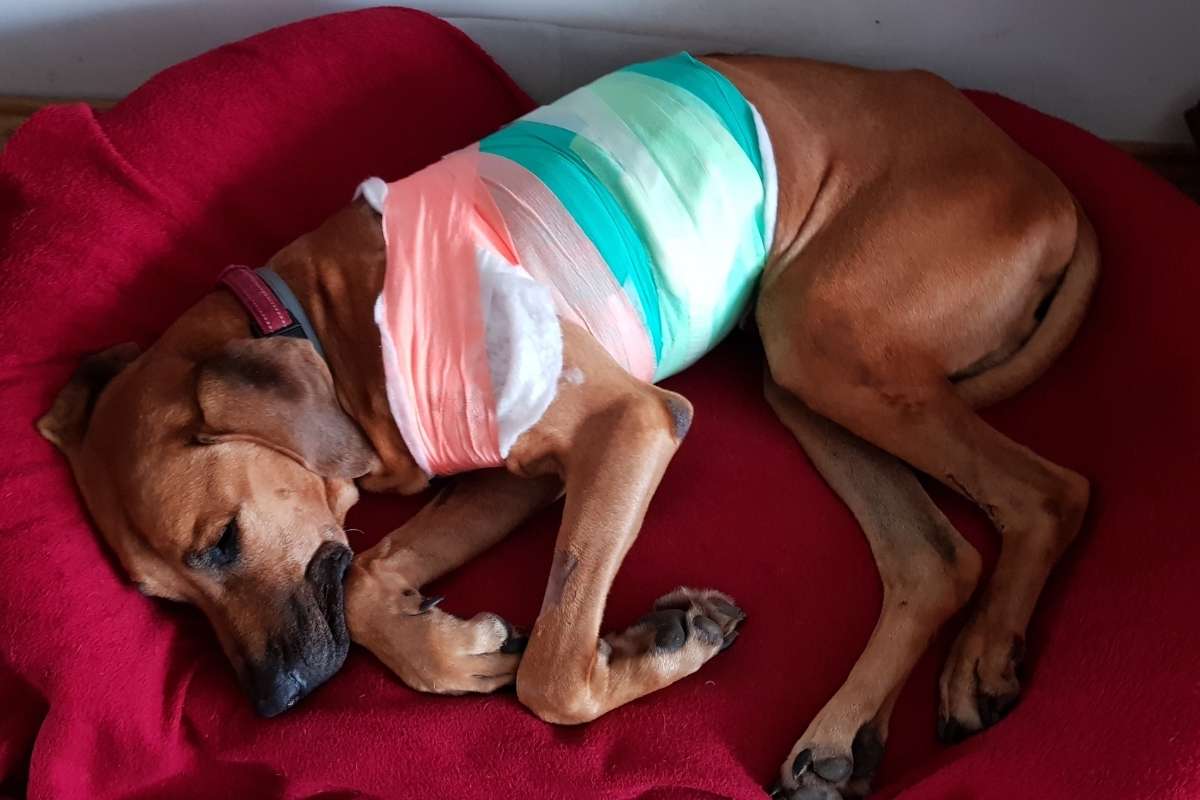
After a cat undergoes veterinary pet surgery, such as spaying, it may be necessary to adjust food portions. Your veterinarian can recommend appropriate serving sizes based on your cat’s age, breed, and weight.
Choose Balanced Nutrition
High-quality cat food formulated for weight management can help maintain a healthy body condition while providing essential nutrients.
Encourage Daily Activity
Interactive toys, climbing structures, and play sessions can help keep cats active. Even short daily playtimes can increase physical activity and help burn calories.
Avoid Excess Treats
Treats should be given in moderation, as they can quickly add extra calories to a cat’s daily intake.
Schedule Regular Veterinary Checkups
Routine exams allow veterinarians to monitor weight changes and recommend dietary or lifestyle adjustments when needed.
Supporting Long-Term Cat Health
Maintaining a healthy weight after spaying requires a combination of proper nutrition, exercise, and veterinary guidance. Pet owners who monitor their cat’s habits and body condition can often prevent weight-related issues before they develop.
Veterinarians can provide valuable advice on feeding schedules, activity levels, and weight management strategies tailored to each individual pet.
Spaying provides important health benefits for female cats, but it can sometimes lead to changes in metabolism and appetite that may contribute to weight gain. By understanding these factors and making thoughtful adjustments to diet and activity, pet owners can help their cats maintain a healthy body condition.
If you have concerns about your cat’s weight or want guidance on post-surgery care, the team at Toro Park Animal Hospital can provide helpful recommendations and professional support. Monitoring your cat’s health after spaying plays an important role in ensuring long-term wellness.
Caring for a spayed cat involves attention to nutrition, exercise, and routine veterinary visits. If you live in Salinas, CA, and would like expert guidance on maintaining your cat’s health after surgery, consider reaching out to a trusted veterinary team. You can schedule your appointment to discuss your cat’s health, weight management, and preventive care.
Frequently Asked Questions:
Q1. Do spayed female cats always gain weight?
Ans. No, not all spayed cats gain weight. Weight gain usually occurs due to changes in metabolism combined with diet and activity levels.
Q2. How soon after spaying might weight gain occur?
Ans. Some cats may begin gaining weight within a few months if calorie intake is not adjusted to match their new metabolic needs.
Q3. Should I change my cat’s diet after spaying?
Ans. Many veterinarians recommend adjusting portion sizes or switching to a weight-management diet after spaying.
Q4. How can I keep my indoor cat active?
Ans. Interactive toys, climbing towers, and scheduled play sessions can encourage daily exercise for indoor cats.
Q5. How often should my cat be weighed?
Ans. Regular weight checks during veterinary visits or at home can help detect changes early.
Q6. Is spaying still recommended even if weight gain is possible?
Ans. Yes. Spaying offers significant health and behavioral benefits that generally outweigh the risk of weight gain.