Same Day Appointments Available


Veterinary Laser Therapy: How It Helps Pets Heal Faster
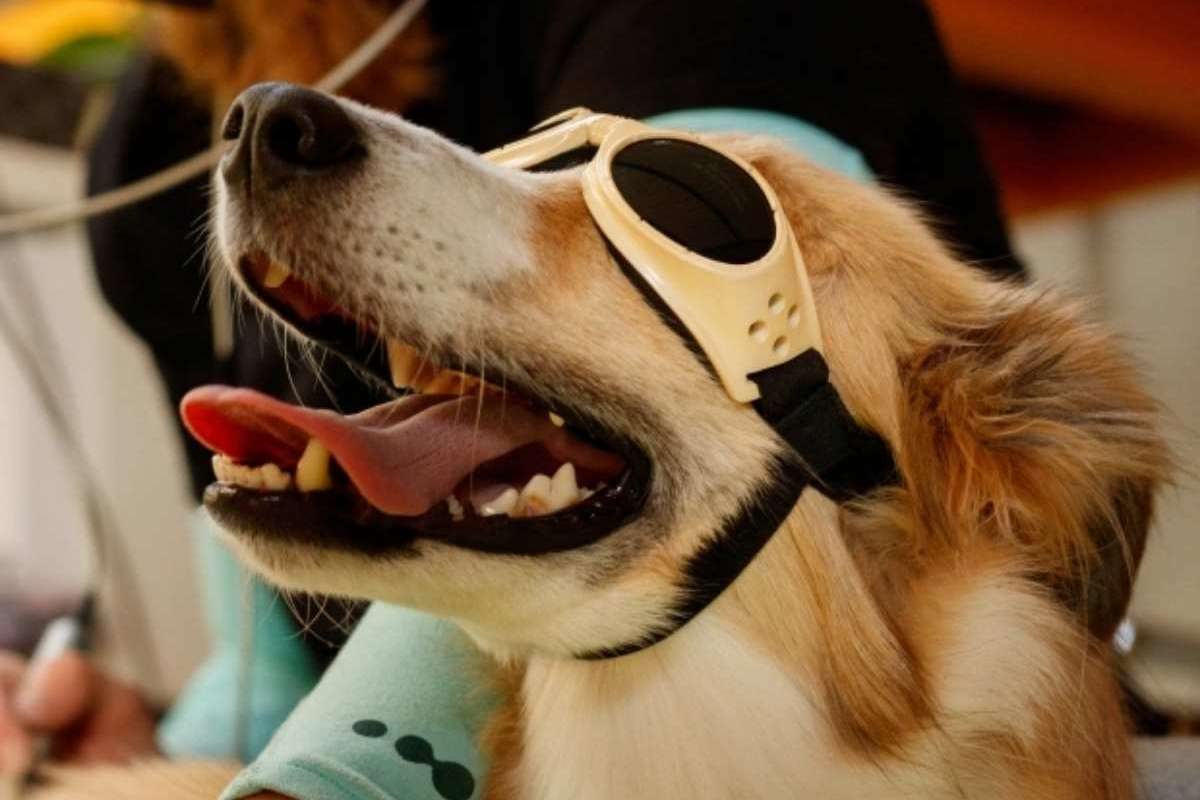
When your beloved pet is hurting or recovering from an injury, you want them feeling better as quickly as possible. Modern veterinary medicine now offers remarkable treatment options that were once reserved for human athletes and patients. Veterinary laser therapy has emerged as one of the most exciting advances in helping pets heal faster and more comfortably.
This painless, non-invasive treatment is transforming how local veterinary clinics approach everything from arthritis to surgical recovery. Pet owners throughout our community are discovering the incredible benefits of this technology. Let’s explore how therapeutic laser treatment works and why it might be the perfect solution for your furry family member.
What Is Veterinary Laser Therapy?
Veterinary laser therapy, also called cold laser therapy or photobiomodulation, uses specific wavelengths of light to stimulate healing at the cellular level. Unlike surgical lasers that cut tissue, therapeutic lasers promote natural healing processes without generating heat or causing discomfort.
The technology has been used in human medicine for decades. Now, pet owners can access the same proven benefits for their dogs and cats. This treatment works alongside traditional veterinary care to accelerate recovery and improve your pet’s quality of life.
Most pets find laser sessions relaxing—many even fall asleep during treatment!
How Does Laser Therapy Help Pets Heal?
The science behind laser therapy is fascinating yet straightforward. When light energy penetrates your pet’s tissues, it triggers beneficial biological responses.
Cellular Regeneration
Light photons are absorbed by cells, boosting their energy production. This increased cellular activity speeds up tissue repair and regeneration. Essentially, the treatment gives your pet’s natural healing processes a significant boost.
Reduced Inflammation and Pain
Laser therapy decreases inflammation by improving blood flow and lymphatic drainage. Additionally, it stimulates the release of endorphins—your pet’s natural painkillers. Many pets show noticeable improvement after just one or two sessions.
Improved Blood Circulation
Enhanced circulation brings more oxygen and nutrients to damaged tissues. This improved blood flow also helps remove waste products that can slow healing and cause discomfort.
Conditions That Benefit from Pet Laser Treatment
Therapeutic laser works remarkably well for numerous pet health issues. Local veterinary professionals commonly recommend it for:
Musculoskeletal Problems:
- Arthritis and joint pain
- Hip dysplasia
- Back and neck injuries
- Muscle strains and sprains
- Ligament and tendon injuries
Post-Surgical Recovery:
- Incision healing
- Reducing post-operative swelling
- Minimizing scar tissue formation
- Speeding overall recovery time
Skin and Wound Care:
- Hot spots and lick granulomas
- Surgical wounds
- Bite injuries
- Burns and abrasions
- Ear infections
Other Conditions:
- Dental procedures recovery
- Nerve injuries
- Chronic pain management
- Age-related mobility issues
Whether your senior dog struggles with stiff joints or your cat is recovering from surgery, laser therapy offers a gentle yet effective healing solution.
What Happens During a Laser Therapy Session?
Understanding the treatment process helps pet owners feel confident about this therapy option. Here’s what you and your pet can expect during a typical session.
The Treatment Experience
First, your veterinary team will position your pet comfortably. No sedation or shaving is required. The technician then moves a handheld laser wand over the treatment area in slow, methodical patterns.
Sessions typically last between 5 and 20 minutes, depending on the condition and area being treated. Your pet will feel a gentle, soothing warmth—nothing painful or scary.
Treatment Frequency
Acute conditions often respond quickly, sometimes requiring only 3 to 6 sessions. Chronic issues like arthritis may benefit from ongoing maintenance treatments, perhaps weekly or monthly.
Your veterinarian will create a personalized treatment plan based on your pet’s specific needs and response to therapy.
Benefits of Choosing Laser Therapy for Your Pet
Pet owners increasingly choose laser treatment for several compelling reasons:
Non-Invasive and Pain-Free
There are no needles, no surgery, and no discomfort. Most pets genuinely enjoy their sessions.
Drug-Free Option
Laser therapy can reduce or eliminate the need for certain medications, which is especially valuable for pets who don’t tolerate drugs well.
No Known Side Effects
When performed by trained professionals, therapeutic lasers have an excellent safety profile with virtually no adverse effects.
Works Well with Other Treatments
Laser therapy complements medications, physical rehabilitation, and other therapies beautifully.
Quick Sessions
Treatments fit easily into busy schedules, requiring no recovery time afterward.
Is Laser Therapy Right for Your Pet?
While laser therapy benefits many pets, it’s not appropriate for every situation. Your veterinarian will evaluate whether this treatment suits your pet’s condition.
Laser therapy may not be recommended for:
- Pets with cancerous tumors in the treatment area
- Direct application over the eyes
- Pregnant animals (over the abdomen)
A thorough examination helps determine the best treatment approach. Don’t hesitate to ask your veterinary team questions about whether laser therapy could help your companion.
Conveniently located in Salinas, CA, if you are searching for an “animal hospital near me” that offers veterinary laser therapy, then Toro Park Animal Hospital is the ideal choice for your pet. Their dedicated team provides personalized laser treatment plans to support your pet’s healing and long-term well-being.
Frequently Asked Questions:
Q1: Does laser therapy hurt my dog or cat?
Ans: No, veterinary laser therapy is completely painless. Most pets feel a gentle warmth and find sessions relaxing. Many animals actually fall asleep during treatment because they’re so comfortable.
Q2: How many laser therapy sessions will my pet need?
Ans: The number of sessions varies based on your pet’s condition. Acute injuries may need 3-6 treatments, while chronic conditions like arthritis often benefit from ongoing sessions. Your veterinarian will recommend a personalized treatment schedule.
Q3: How quickly will I see results from pet laser treatment?
Ans: Many pet owners notice improvement after the first session, especially regarding pain and mobility. However, optimal results typically develop over multiple treatments as tissues continue healing and inflammation decreases.
Q4: Can laser therapy replace my pet’s pain medication?
Ans: In some cases, laser therapy reduces or eliminates the need for certain medications. However, never stop or change your pet’s medications without consulting your veterinarian. They’ll adjust treatment plans based on your pet’s response.
Q5: Is veterinary laser therapy safe for older pets?
Ans: Absolutely! Laser therapy is particularly beneficial for senior pets because it’s gentle, non-invasive, and drug-free. Many older dogs and cats with arthritis or mobility issues experience significant improvement in comfort and activity levels.
Q6: How much does laser therapy for pets typically cost?
Ans: Treatment costs vary depending on the condition, session length, and frequency needed. Many clinics offer package pricing for multiple sessions. Discuss pricing options with your veterinary team to find a plan that fits your budget.