Same Day Appointments Available


What Happens During ACL Surgery for Dogs? A Complete Guide
ACL injuries are one of the most common orthopedic problems affecting dogs, especially active and larger breeds. In veterinary medicine, the ligament involved is usually called the cranial cruciate ligament (CCL), which functions similarly to the ACL in humans. When this ligament becomes torn or damaged, dogs often experience pain, limping, reduced mobility, and difficulty placing weight on the affected leg.
Because cruciate ligament injuries can worsen over time, many dogs require surgical treatment to restore joint stability and improve long-term comfort. Understanding what happens during ACL surgery can help pet owners feel more prepared for the treatment and recovery process.
At Toro Park Animal Hospital, veterinarians commonly evaluate dogs showing signs of knee injuries and help owners understand the available surgical and recovery options. Learning how the procedure works and what to expect afterward can help reduce stress for both pets and families.
For pet owners in Salinas, CA, recognizing early symptoms of ligament injuries and seeking prompt veterinary evaluation may help improve mobility outcomes and support a smoother recovery process.
What Is an ACL or CCL Injury in Dogs?
The cranial cruciate ligament helps stabilize the knee joint by preventing excessive movement between the bones. When the ligament weakens or tears, the knee becomes unstable, causing pain and inflammation.
Dogs may injure this ligament due to:
- Sudden twisting movements
- Jumping injuries
- Age-related degeneration
- Obesity
- Repetitive stress on the joint
Some dogs experience gradual ligament deterioration over time rather than a sudden traumatic injury.
Common Signs of an ACL Injury
Symptoms may vary depending on the severity of the injury.
Common warning signs include:
- Limping on a rear leg
- Difficulty standing up
- Reduced activity levels
- Trouble climbing stairs
- Sitting unevenly
- Swelling around the knee
- Reluctance to jump or run
Some dogs may improve temporarily with rest before symptoms return.
How Veterinarians Diagnose ACL Injuries
A veterinarian typically begins with a physical examination to evaluate knee stability, pain levels, and range of motion.
Diagnostic tools may include:
- Orthopedic examination
- X-rays
- Sedated joint evaluation
- Imaging studies, if needed
Early diagnosis is important because untreated instability may increase arthritis progression and joint damage.
What Happens Before Surgery?
Before surgery, veterinarians evaluate the dog’s overall health to determine whether anesthesia and the procedure are safe.
Pre-surgical preparation may include:
- Blood testing
- Weight evaluation
- Anesthesia planning
- Pain management discussions
- Surgical imaging
Owners also receive instructions regarding feeding restrictions and recovery planning at home.
Types of ACL Surgery for Dogs
Several surgical approaches may be used depending on the dog’s size, activity level, age, and joint condition.
TPLO Surgery
Tibial Plateau Leveling Osteotomy (TPLO) is one of the most common procedures for larger or active dogs. This surgery changes the angle of the tibia to stabilize the knee during movement.
Lateral Suture Technique
This method uses strong sutures placed outside the joint to improve stability while scar tissue develops.
TTA Surgery
Tibial Tuberosity Advancement (TTA) changes the mechanics of the knee joint to reduce instability caused by the torn ligament.
The veterinarian recommends the most appropriate procedure based on the individual dog’s condition.
What Happens During the Procedure?
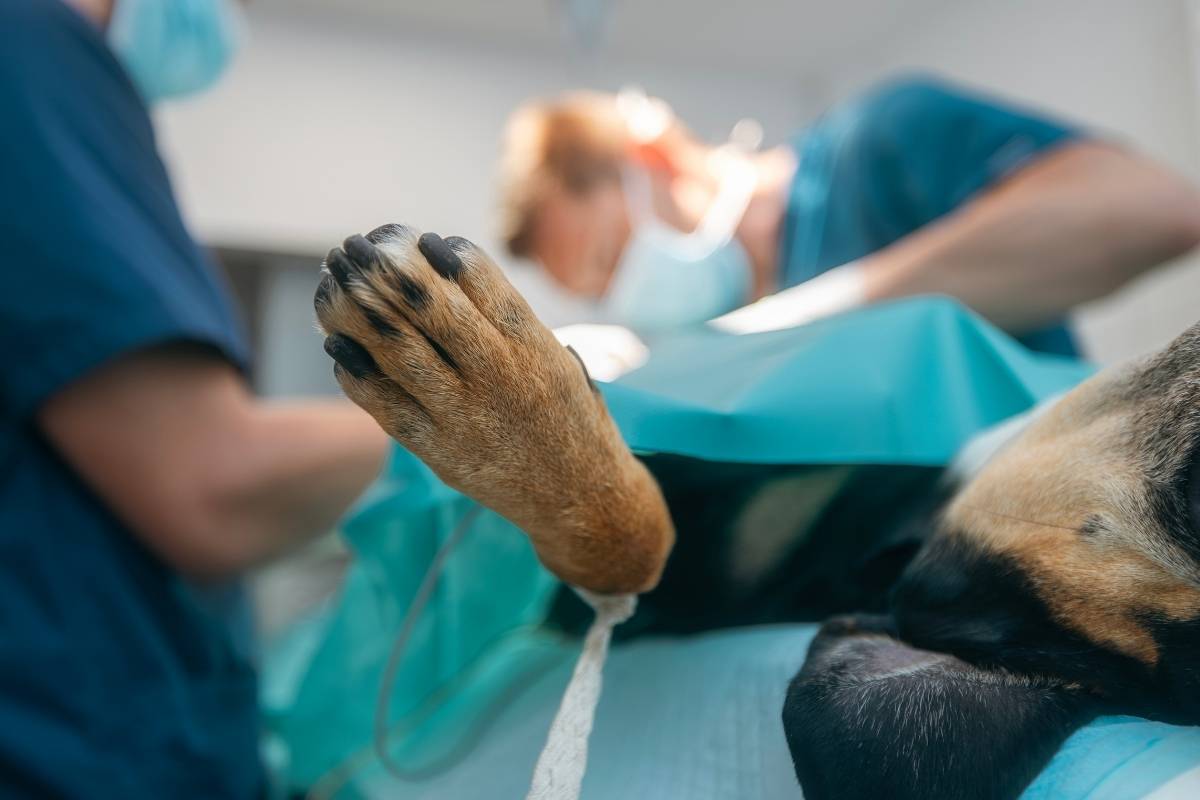
During pet surgery, the dog is placed under general anesthesia and closely monitored throughout the procedure.
The surgical process typically includes:
- Cleaning and preparing the surgical area
- Examining the damaged ligament and joint
- Stabilizing the knee using the selected surgical method
- Repairing surrounding tissue if needed
- Closing the incision carefully
Monitoring equipment helps track heart rate, oxygen levels, blood pressure, and temperature throughout surgery.
Recovery After ACL Surgery
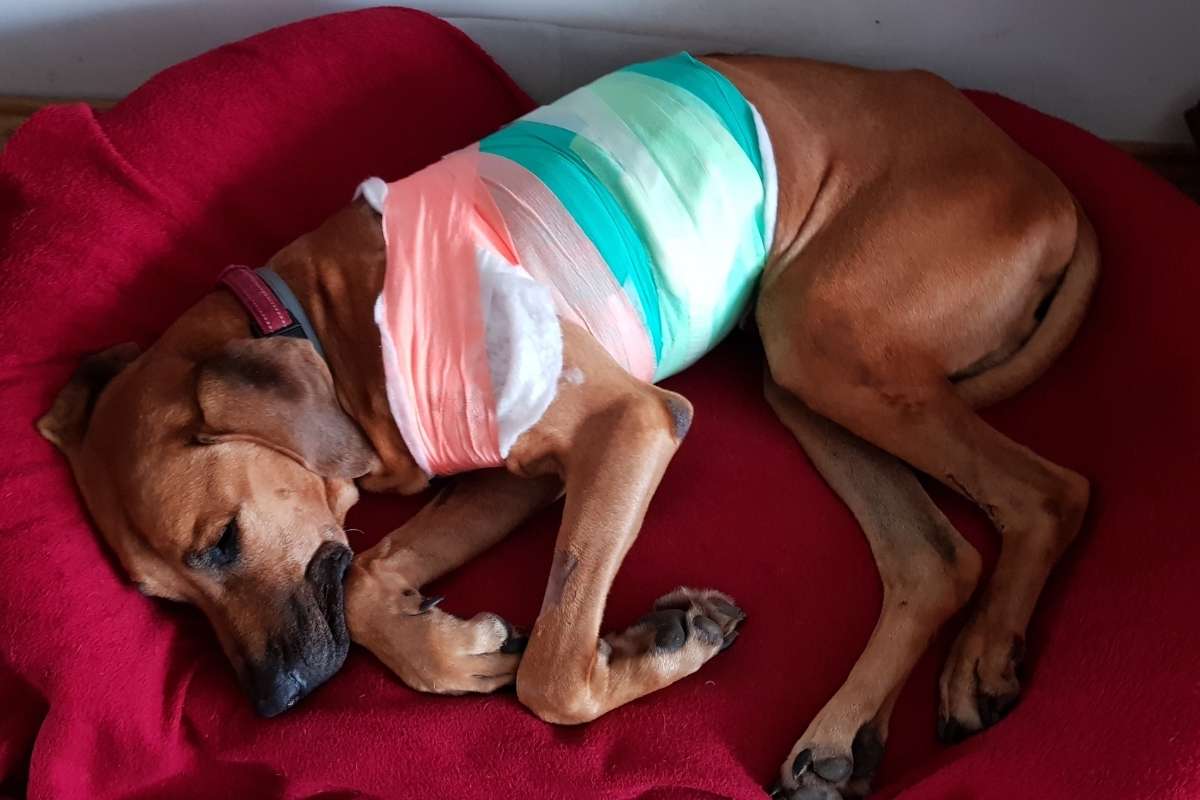
Recovery is one of the most important parts of successful treatment. Most dogs require several weeks of restricted activity while healing progresses.
Recovery instructions may include:
- Short leash walks only
- Preventing jumping or running
- Medication administration
- Incision monitoring
- Follow-up veterinary visits
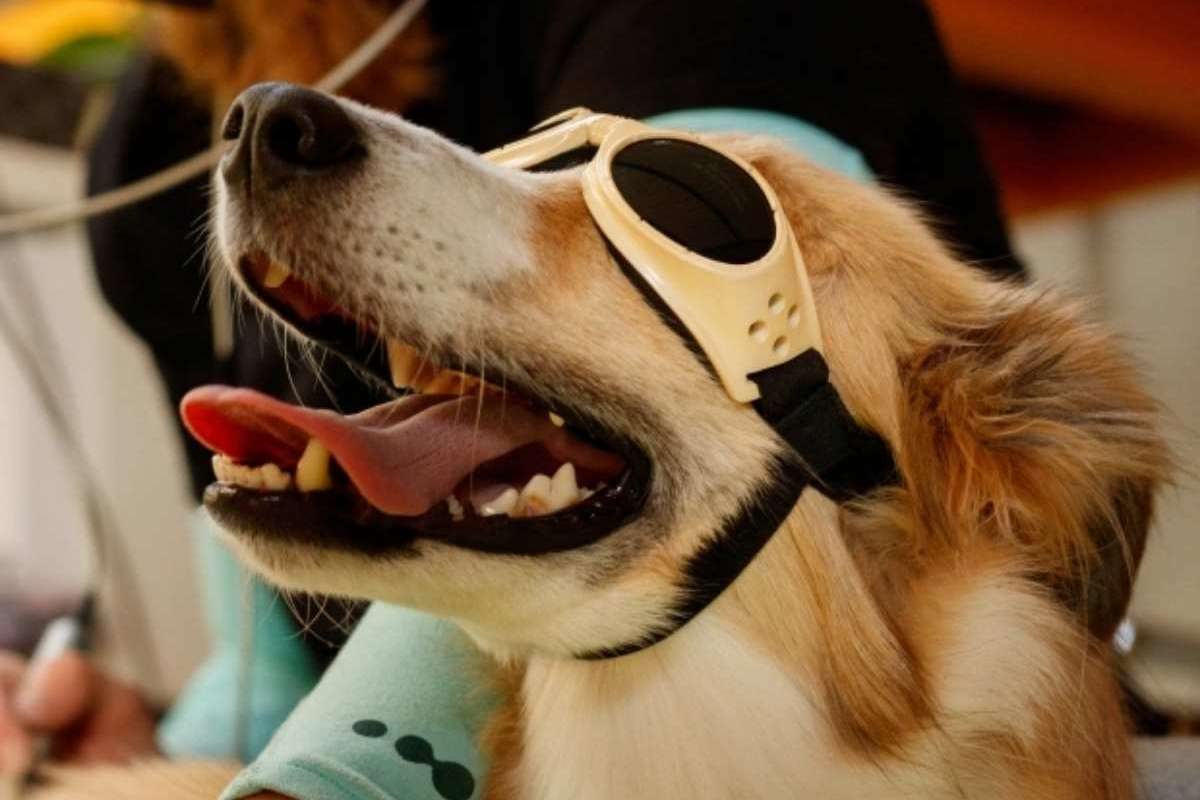
Some dogs also benefit from physical rehabilitation exercises to improve strength and mobility during recovery.
Long-Term Outlook for Dogs
Many dogs recover well and regain improved mobility following ACL surgery. Recovery timelines vary depending on:
- Surgical technique
- Age
- Weight
- Overall health
- Activity level
- Consistency of aftercare
Weight management and controlled exercise are important for protecting joint health after recovery.
An experienced veterinary team can help monitor healing progress and identify any complications early during the recovery process.
Possible Complications
While many procedures are successful, complications can occasionally occur.
Potential risks may include:
- Infection
- Implant complications
- Delayed healing
- Swelling
- Persistent limping
- Arthritis progression
Following all post-operative instructions carefully helps reduce these risks.
ACL injuries can significantly affect a dog’s comfort, mobility, and quality of life if left untreated. Understanding how ACL surgery works and what recovery involves helps pet owners make informed decisions about treatment options. Early diagnosis, proper surgical care, and consistent recovery management all play important roles in helping dogs return to healthier, more active lives.
If you’re in Salinas, CA, and need guidance from a veterinarian near you regarding knee injuries or orthopedic concerns in your dog, schedule your appointment with Toro Park Animal Hospital. Their team can evaluate your dog’s condition, explain treatment options, and provide compassionate support throughout every stage of recovery.
Frequently Asked Questions
Q1. How do I know if my dog tore its ACL?
Ans: Common signs include limping, difficulty standing, swelling around the knee, and reluctance to run or jump.
Q2. Is ACL surgery necessary for dogs?
Ans: Many dogs benefit from surgery because it helps stabilize the knee and reduce long-term pain and arthritis progression.
Q3. How long does recovery usually take?
Ans: Recovery timelines vary, but many dogs require several weeks to a few months for full healing.
Q4. Can small dogs recover without surgery?
Ans: Some smaller dogs may improve with conservative management, but a veterinarian should evaluate the severity of the injury.
Q5. Will my dog need rehabilitation after surgery?
Ans: Physical rehabilitation exercises may help improve strength, mobility, and recovery outcomes after surgery.
Q6. Can ACL injuries happen in both legs?
Ans: Yes. Some dogs eventually develop cruciate ligament problems in the opposite knee as well.