Same Day Appointments Available


Your Pet’s Surgery Recovery Plan: How to Reduce Pain in the First Week
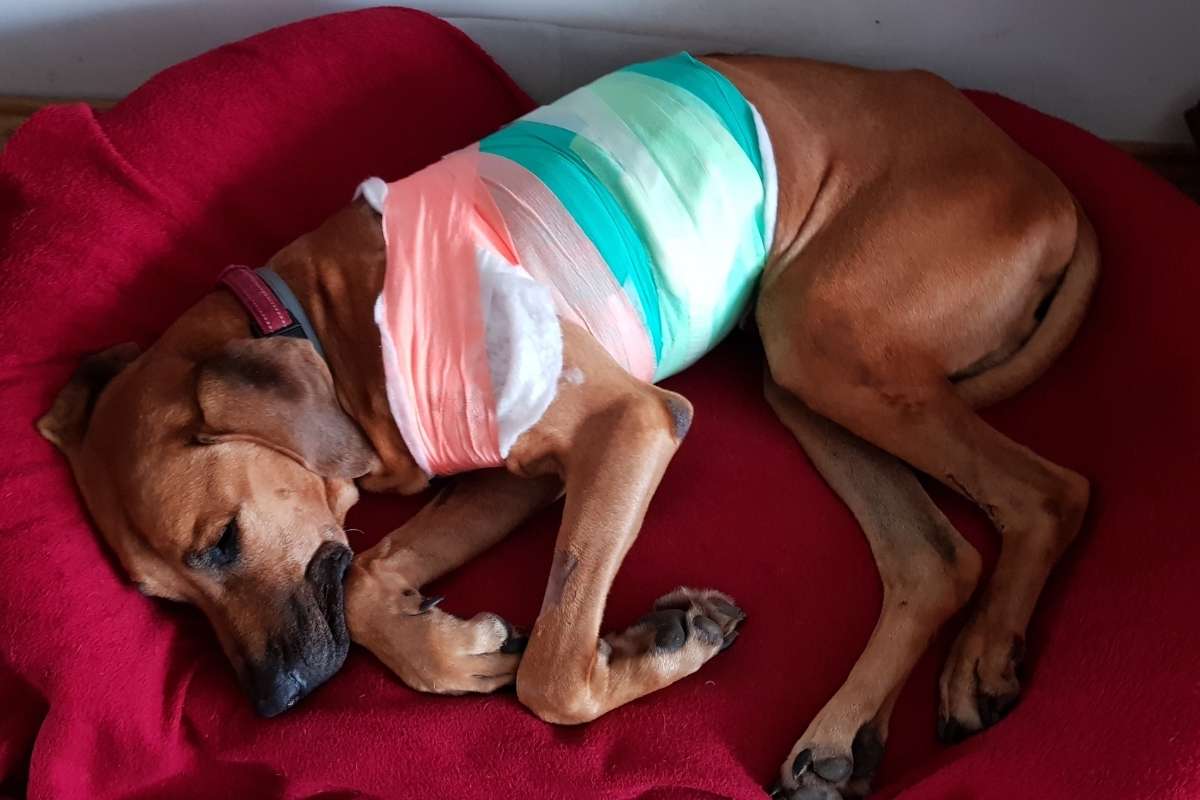
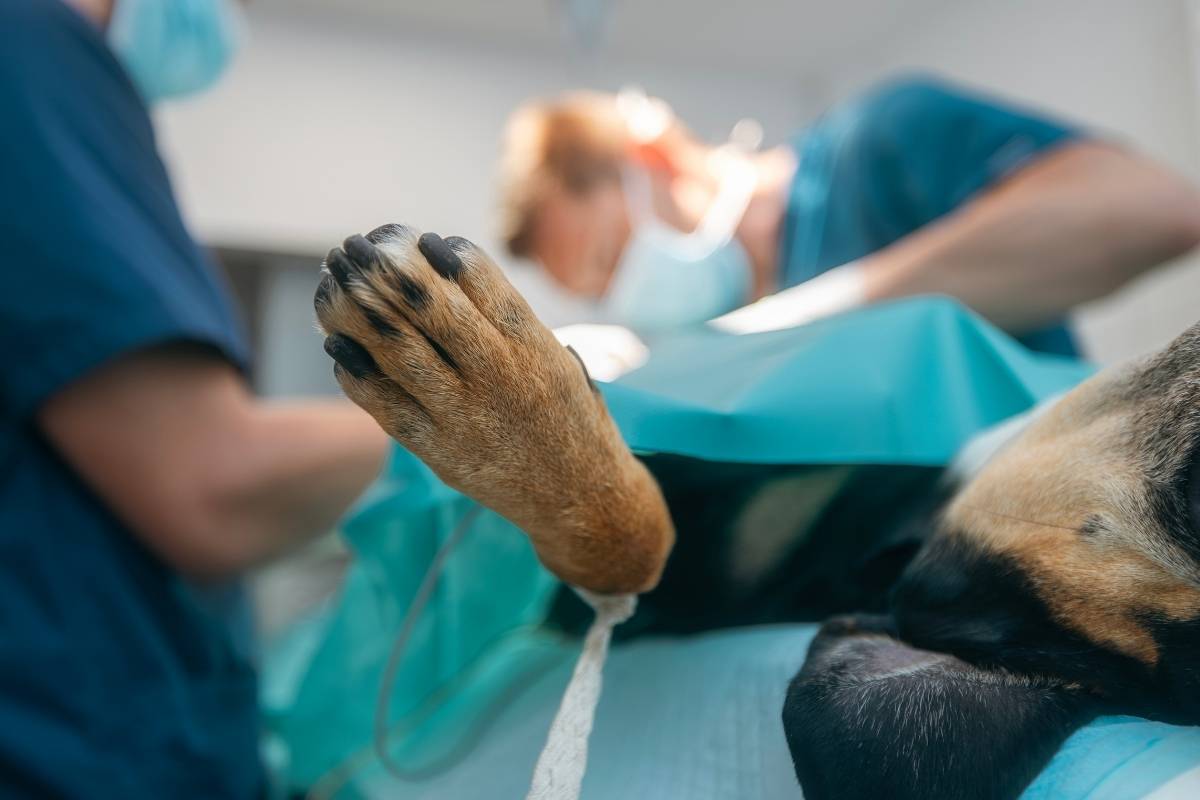
The first week after surgery is one of the most critical periods in your pet’s healing journey. Whether your dog or cat has undergone a routine procedure or a more complex operation, proper post-operative care plays a major role in reducing pain, preventing complications, and ensuring a smooth recovery. At Toro Park Animal Hospital, veterinary professionals emphasize that attentive care at home can significantly improve recovery outcomes following veterinary surgery.
With the right plan in place, pet owners can help their companions heal comfortably while minimizing stress and discomfort, especially during those first few days.
Why the First Week Matters Most
After surgery, your pet’s body begins the healing process immediately. During the first week, tissues are repairing, inflammation is at its peak, and the risk of infection is higher.
Proper care during this time helps:
- Manage pain effectively
- Prevent wound complications
- Reduce stress and anxiety
- Support faster healing
A structured recovery routine ensures your pet remains safe and comfortable during this sensitive period.
Step 1: Follow Medication Instructions Carefully
Pain management is a top priority after surgery. Your veterinarian will typically prescribe medications to control pain and reduce inflammation.
Best practices include:
- Administer medications exactly as directed
- Never skip doses or stop early without guidance
- Avoid giving human medications, which can be harmful
Consistent medication use helps keep your pet comfortable and prevents unnecessary suffering.
Step 2: Create a Quiet, Comfortable Recovery Space
Your pet needs a calm and secure environment to rest and recover. Limiting movement and external stressors is essential.
Tips for setting up a recovery area:
- Choose a quiet, low-traffic space
- Provide soft, supportive bedding
- Keep food and water within easy reach
- Maintain a comfortable room temperature
A peaceful environment allows your pet to conserve energy and focus on healing.
Step 3: Restrict Activity and Movement
Even if your pet seems to be feeling better, too much activity can reopen wounds or delay healing.
Activity restrictions may include:
- Avoiding running, jumping, or climbing
- Using a leash for short bathroom breaks
- Limiting playtime with other pets
Your veterinarian will provide specific guidelines based on the type of veterinary surgery performed.
Step 4: Monitor the Surgical Site
Keeping an eye on the incision site is crucial for detecting early signs of complications.
What to look for:
- Redness or swelling
- Discharge or unusual odor
- Bleeding or opening of the incision
- Excessive licking or chewing
If you notice any of these signs, contact your veterinarian promptly.
Step 5: Prevent Licking and Chewing
Pets naturally try to lick or chew at surgical sites, which can lead to infection or delayed healing.
Preventive measures include:
- Using an Elizabethan collar (cone)
- Trying recovery suits or protective garments
- Supervising your pet during rest periods
While it may seem uncomfortable, these tools are essential for proper healing.
Step 6: Support Nutrition and Hydration
Proper nutrition plays a vital role in recovery. After surgery, your pet may have a reduced appetite, but it’s important to encourage eating and hydration.
Helpful tips:
- Offer small, frequent meals
- Provide easily digestible food if recommended
- Ensure constant access to fresh water
Good nutrition supports tissue repair and boosts overall recovery.
Step 7: Watch for Signs of Pain or Discomfort
Even with medication, your pet may still experience some discomfort. Recognizing signs of pain can help you respond quickly.
Common signs include:
- Whining or vocalizing
- Restlessness or inability to settle
- Loss of appetite
- Changes in behavior or mood
If pain seems unmanaged, consult your veterinarian for adjustments.
Common Questions Pet Owners Often Have
Post-surgical care can feel overwhelming, and many pet owners share similar concerns:
- How long should my pet rest after surgery?
- What should I do if my pet refuses medication?
- Is it normal for my pet to be sleepy or less active?
- When can my pet return to normal activity?
- How do I clean the incision site safely?
- What signs indicate a complication?
Understanding these questions can help you feel more confident during your pet’s recovery process.
When to Contact Your Veterinarian
While some mild discomfort is expected, certain symptoms require immediate attention:
- Persistent vomiting or diarrhea
- Severe swelling or bleeding
- Signs of infection at the incision site
- Extreme lethargy or unresponsiveness
If you’re unsure about your pet’s recovery progress, it’s always best to seek professional guidance. You can contact Toro Park Animal Hospital for expert support and appropriate follow-up care.
Helping your pet recover after surgery requires patience, consistency, and close attention to detail. By managing pain, limiting activity, and maintaining a clean, calm environment, you can significantly improve your pet’s comfort and healing during the first week.
Focusing on proper care and regular monitoring ensures a smoother recovery and reduces the risk of complications. For pet owners seeking reliable guidance, experienced veterinary support is available in Salinas, CA to assist throughout every stage of recovery.
FAQs
Q1. How long does it take for a pet to recover after surgery?
Ans. Recovery time varies, but the first 7–10 days are the most critical for healing.
Q2. How can I tell if my pet is in pain after surgery?
Ans. Signs include restlessness, whining, loss of appetite, and behavioral changes.
Q3. Can I remove my pet’s cone early?
Ans. No, removing it too soon can lead to licking and infection. Follow your vet’s advice.
Q4. What should I feed my pet after surgery?
Ans. Offer small, easily digestible meals and ensure proper hydration.
Q5. Is it normal for my pet to sleep more after surgery?
Ans. Yes, increased rest is common and helps support recovery.
Q6. When should I call the vet after surgery?
Ans. Contact your vet if you notice swelling, discharge, severe pain, or unusual behavior.