Same Day Appointments Available


When Should I Take My Dog to the Vet? Warning Signs You Shouldn’t Ignore

Dogs cannot explain how they feel. Instead, they communicate through behavior, appetite, posture, and energy levels. Because of this, many health problems develop quietly before owners notice anything wrong. Recognizing early symptoms helps prevent serious illness and expensive emergency treatment.
Knowing when to act is one of the most important responsibilities of a pet owner. Some signs may seem minor at first; however, they can indicate infection, injury, or internal disease. This guide will help you identify symptoms that require professional attention and understand when a routine visit becomes urgent. For pet families in Salinas, CA, being aware of these warning signs can protect your dog’s health and comfort.
Changes in Eating or Drinking
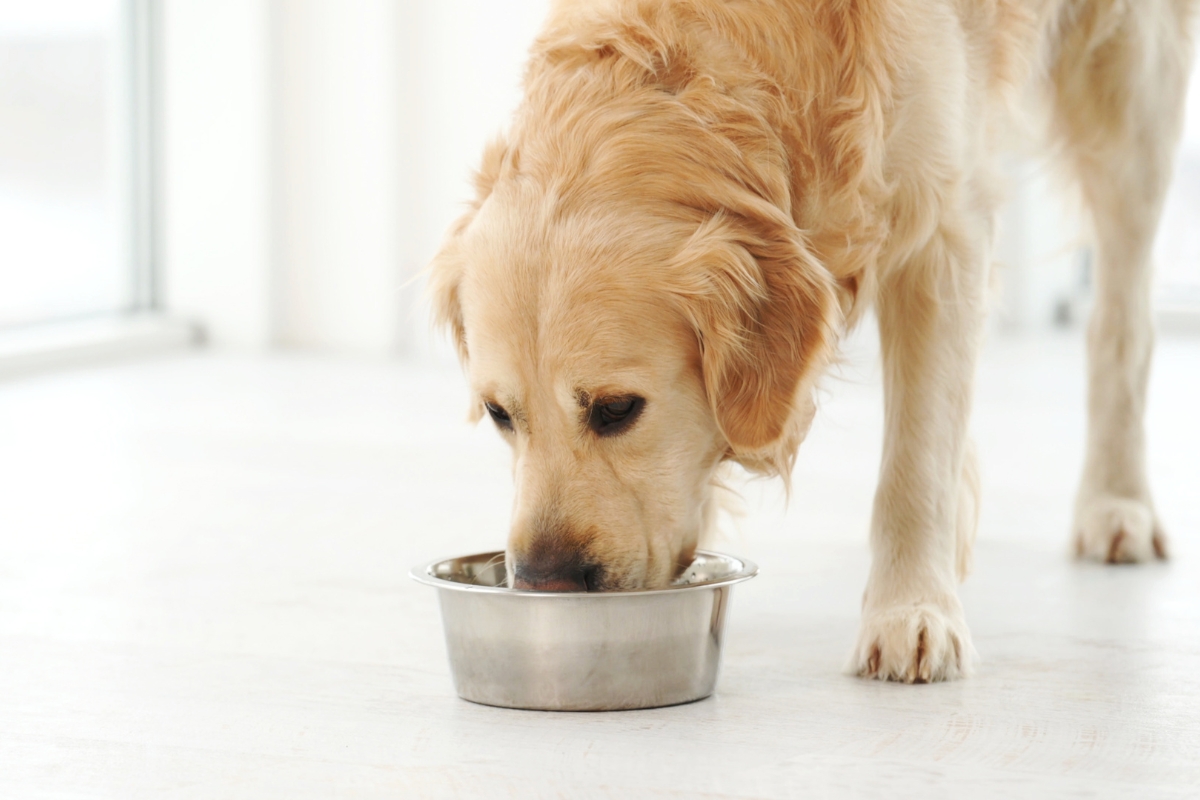
One of the first clues that something is wrong is a shift in appetite.
Loss of Appetite
If your dog refuses food for more than 24 hours, it may signal illness. Dental pain, stomach upset, infections, and organ disease can all reduce hunger.
Excessive Drinking
On the other hand, drinking unusually large amounts of water may indicate diabetes, kidney problems, or hormonal disorders.
Because food and water intake directly affect energy and organ function, these changes should never be ignored.
Vomiting or Diarrhea
Occasional stomach upset happens. However, frequent vomiting or diarrhea is a concern.
Seek veterinary attention if:
- Vomiting lasts longer than one day
- Blood appears in stool or vomit
- Your dog seems weak or dehydrated
- Symptoms occur in puppies or senior dogs
Persistent digestive problems can quickly lead to dehydration and electrolyte imbalance.
Difficulty Breathing
Breathing problems require immediate action. Watch for:
- Rapid breathing
- Open-mouth breathing while resting
- Wheezing or coughing
- Blue or pale gums
Because oxygen supports the brain and heart, breathing difficulty is always urgent. Contact a veterinary hospital immediately if you notice these symptoms.
Limping or Trouble Moving
Mobility changes often indicate pain in the joints, muscles, or bones.
A dog may:
- Limp on a leg
- Struggle to stand
- Avoid stairs
- Hesitate to jump
While mild strains can improve with rest, persistent limping may signal ligament injuries, arthritis, or fractures. Early evaluation prevents worsening damage.
Behavior Changes
Dogs usually maintain consistent personalities. Therefore, sudden behavioral shifts often indicate discomfort.
Watch for:
- Hiding
- Aggression
- Whining
- Restlessness
- Sleeping much more than usual
Pain, fever, or internal illness commonly cause these changes.
Skin and Coat Problems
The skin is the body’s largest organ and often reflects internal health.
Warning Signs
- Excessive scratching
- Hair loss
- Red or irritated patches
- Swelling
- Bad odor
These symptoms may result from allergies, parasites, or infection. Early treatment prevents spreading and secondary complications.
Eye and Ear Issues
Your dog’s eyes and ears are sensitive areas. Problems here can quickly become serious.
Eyes
Seek care if you notice:
- Redness
- Discharge
- Squinting
- Cloudiness
Ears
Common warning signs include:
- Head shaking
- Scratching ears
- Foul smell
- Dark discharge
Ear infections worsen quickly and may lead to hearing problems if untreated.
Urination Problems
Changes in urination habits often indicate medical conditions.
Contact a veterinarian if your dog:
- Strains to urinate
- Urinates frequently
- Has accidents indoors
- Produces blood in urine
Urinary blockages are emergencies, especially in male dogs.
Sudden Weight Loss or Gain
Unexpected weight change can reveal an underlying disease. For example:
- Weight loss may indicate parasites, cancer, or metabolic disease.
- Weight gain may suggest hormonal imbalance or inactivity.
Monitoring weight helps detect illness early.
When It’s an Emergency
Go immediately for care if your dog shows:
- Seizures
- Collapse
- Severe bleeding
- Ingestion of toxic substances
- Persistent choking
- Severe abdominal swelling
Quick treatment can save your pet’s life.
Preventive Care Matters
Regular checkups allow veterinarians to identify problems before symptoms appear. Exams evaluate the heart, lungs, teeth, abdomen, skin, and joints.
Vaccinations, parasite prevention, and lab testing all play important roles in keeping your dog healthy.
Routine visits also give you the chance to ask questions about diet, behavior, and aging care.
Early recognition of warning signs makes a major difference in your dog’s health. Paying attention to behavior, appetite, breathing, and movement helps you act quickly before problems worsen. Preventive care, routine exams, and timely treatment protect your pet’s comfort and longevity.
If you are in Salinas, CA, and looking for a veterinarian near you, the caring team at Toro Park Animal Hospital is ready to help. Book an appointment today so your dog can receive prompt evaluation, compassionate care, and ongoing health support.
FAQs
Q1. How often should my dog visit the vet?
Ans. Most healthy adult dogs need annual exams. Puppies and senior dogs may need more frequent visits.
Q2. Is occasional vomiting normal?
Ans. A single episode may not be serious, but repeated vomiting requires evaluation.
Q3. What if my dog is acting normal but eating less?
Ans. Reduced appetite alone can indicate illness, so schedule a checkup.
Q4. When should limping be checked?
Ans. If it lasts longer than 24–48 hours, seek veterinary care.
Q5. Are bad breath and dental problems connected?
Ans. Yes. Persistent odor often signals dental disease.
Q6. Should I wait and see if symptoms improve?
Ans. Minor issues may be resolved, but persistent or worsening symptoms require professional attention.