Same Day Appointments Available


Corneal Ulcer in Dogs: A Painful Eye Condition That Needs Prompt Treatment
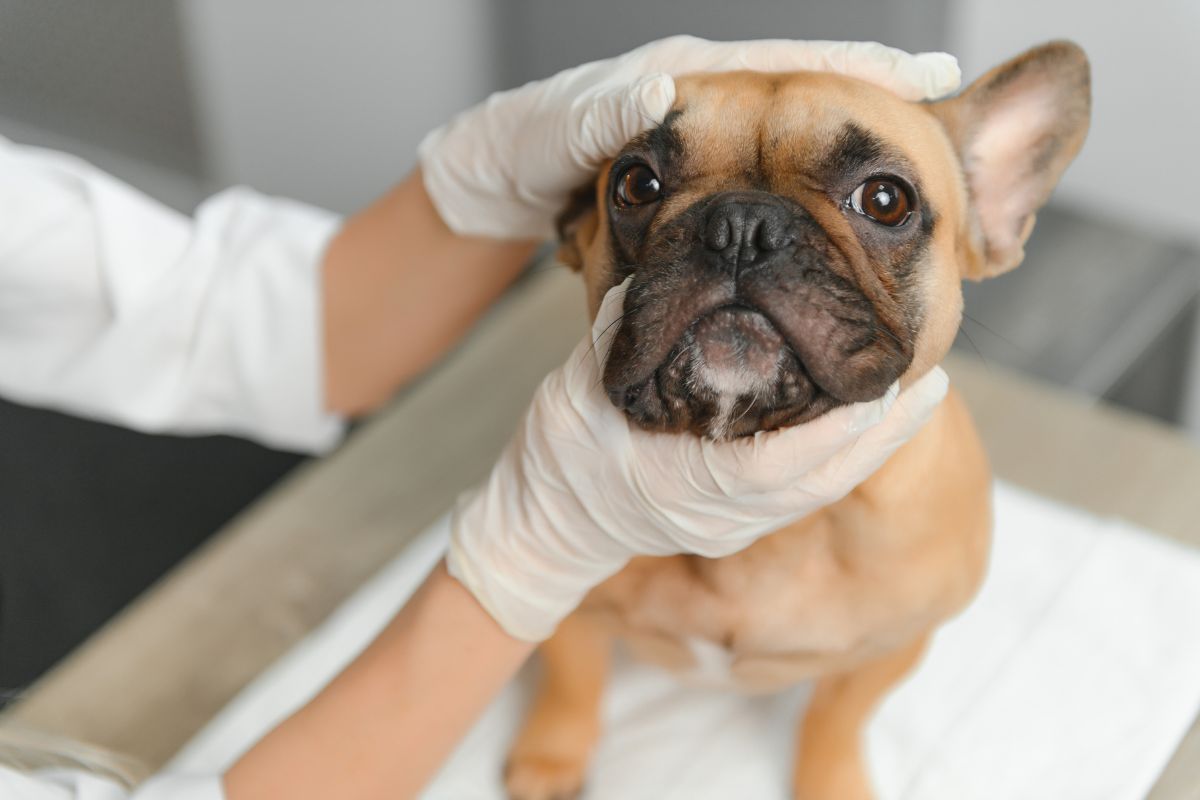
A dog’s eyes are incredibly sensitive, and even a small injury can quickly become a painful medical problem. One of the most common yet serious eye conditions seen in dogs is a corneal ulcer. Although the word “ulcer” may sound alarming, early diagnosis and proper treatment often lead to an excellent recovery. Delaying treatment, however, can increase the risk of infection, permanent scarring, or even vision loss.
Knowing the early warning signs can help pet owners seek vet care before the condition becomes more severe. Since dogs cannot explain their discomfort, recognizing subtle changes in their behavior and eye appearance plays an important role in protecting their long-term eye health.
What Is a Corneal Ulcer?
A corneal ulcer is an injury or erosion affecting the cornea, the clear outer surface covering the front of the eye. The cornea protects the eye while allowing light to pass through for clear vision.
The cornea contains several thin layers. A minor scratch may affect only the outer layer, while deeper ulcers extend into the underlying tissue. As the ulcer becomes deeper, the risk of complications increases significantly.
Because the cornea contains numerous nerve endings, even a small ulcer can cause considerable discomfort.
What Causes Corneal Ulcers in Dogs?
Corneal ulcers develop when the protective surface of the eye becomes damaged. Common causes include:
Eye Trauma
The most frequent cause is accidental injury. Dogs may scratch their eyes while playing, running through bushes, or rubbing their face after irritation.
Examples include:
- Tree branches
- Rough play with other pets
- Cat scratches
- Dirt or sand entering the eye
- Grooming accidents
Foreign Objects
Tiny particles trapped beneath the eyelid can continuously rub against the cornea, gradually creating an ulcer.
Common irritants include:
- Grass seeds
- Dust
- Plant material
- Small pieces of debris
Dry Eye (Keratoconjunctivitis Sicca)
Dogs that produce insufficient tears lose the protective lubrication needed to keep the cornea healthy. Dry eyes become vulnerable to irritation, infection, and ulcer formation.
Eyelid Abnormalities
Certain eyelid conditions increase friction against the cornea.
Examples include:
- Inward-rolling eyelids (entropion)
- Abnormal eyelashes
- Eyelid tumors
- Poor eyelid closure
Chemical Irritants
Exposure to harsh household cleaners, shampoos, or chemicals may damage the corneal surface.
Eye Infections
Some bacterial or fungal infections weaken the cornea, making ulcer development more likely.
Which Dogs Are More Likely to Develop Corneal Ulcers?
Although any dog can develop a corneal ulcer, certain breeds face a higher risk.
These include:
- Pugs
- Boston Terriers
- Shih Tzus
- French Bulldogs
- Boxers
- Bulldogs
- Cavalier King Charles Spaniels
These breeds often have prominent eyes that are more exposed to injury.
Dogs with chronic dry eye, previous eye injuries, or eyelid abnormalities may also experience recurring ulcers.
Signs of a Corneal Ulcer
Many dogs show symptoms quickly because corneal ulcers are painful.
Common signs include:
- Squinting
- Excessive blinking
- Redness around the eye
- Increased tearing
- Thick eye discharge
- Cloudy appearance
- Swelling
- Pawing at the eye
- Keeping one eye closed
- Sensitivity to bright light
Some dogs may become less active or avoid being touched around the face due to discomfort.
Why Prompt Treatment Matters
A superficial ulcer may worsen surprisingly fast if left untreated.
As bacteria enter the damaged cornea, the ulcer may deepen, increasing the chance of:
- Severe infection
- Corneal perforation
- Permanent scarring
- Vision impairment
- Eye rupture
- Loss of the affected eye
Prompt evaluation allows treatment to begin before these complications develop.
How Veterinarians Diagnose Corneal Ulcers
Diagnosing a corneal ulcer is generally straightforward.
Your veterinarian may perform several examinations, including:
Fluorescein Stain Test
A harmless fluorescent dye is placed on the eye. The dye sticks to damaged corneal tissue, making ulcers clearly visible under a blue light.
Eye Examination
The veterinarian carefully inspects:
- Corneal clarity
- Eye discharge
- Eyelids
- Tear production
- Presence of foreign material
Tear Production Test
If dry eye is suspected, tear production is measured using a Schirmer Tear Test.
Eye Pressure Measurement
Checking intraocular pressure helps rule out glaucoma or uveitis, which may occur alongside certain eye conditions.
Treatment Options for Corneal Ulcers
Treatment depends on the ulcer’s depth, severity, and underlying cause.
Medicated Eye Drops
Most superficial ulcers respond well to prescription eye medications that may include:
- Antibiotics
- Lubricating drops
- Pain-relieving medications
- Anti-inflammatory medications when appropriate
Oral Pain Medication
Since corneal ulcers can be extremely painful, oral medications may improve comfort during healing.
Elizabethan Collar
An e-collar prevents dogs from rubbing or scratching the affected eye, reducing additional damage.
Surgical Treatment
Deep or complicated ulcers may require surgery to preserve the eye.
Procedures may include:
- Corneal grafts
- Conjunctival flap surgery
- Debridement of unhealthy tissue
The treatment plan is based on the severity of the ulcer and the dog’s overall eye health.
Recovery Time
Healing varies depending on the ulcer’s depth.
General recovery timelines include:
- Minor superficial ulcers: approximately 3–7 days
- Moderate ulcers: one to two weeks
- Deep ulcers: several weeks or longer
Regular follow-up examinations allow the veterinarian to confirm that the cornea is healing properly.
Can Corneal Ulcers Be Prevented?
Although not every injury can be avoided, several preventive measures may reduce the risk.
Helpful steps include:
- Keep long facial hair trimmed.
- Monitor dogs during outdoor adventures.
- Prevent rough play that may cause eye injuries.
- Address chronic eye conditions promptly.
- Avoid exposing pets to irritating chemicals.
- Follow treatment plans for dry eye or eyelid disorders.
- Schedule routine eye examinations, especially for high-risk breeds.
Early attention to minor eye irritation can often prevent more serious complications.
When Should You Seek Immediate Veterinary Attention?
Do not wait to see if an eye problem improves on its own.
Seek prompt veterinary evaluation if your dog:
- Suddenly keeps one eye closed
- Has significant eye redness
- Develops cloudy eyes
- Experiences excessive tearing
- Shows yellow or green discharge
- Appears to be in pain
- Rubs the eye continuously
- Has visible eye trauma
Because eye injuries can worsen rapidly, early treatment offers the best chance for preserving vision and comfort.
Supporting Your Dog During Recovery
Once treatment begins, following your veterinarian’s instructions carefully is essential.
Tips for successful recovery include:
- Administer medications exactly as directed.
- Do not skip follow-up appointments.
- Prevent rubbing by keeping the protective collar on.
- Limit activities that could expose the eye to dirt or debris.
- Watch for worsening redness, discharge, or increased discomfort.
Consistent home care greatly improves healing outcomes.
Corneal ulcers are painful eye injuries that should never be ignored. Fortunately, with early diagnosis and timely treatment, many dogs recover well and regain comfortable vision. Paying attention to changes such as squinting, redness, excessive tearing, or eye discharge can help prevent more serious complications.
If you’re in Salinas, CA and your dog is showing signs of an eye injury, contact Toro Park Animal Hospital. If you need guidance from a vet near you, our team can evaluate your dog’s eye condition, recommend the most appropriate treatment, and help protect their vision with personalized care.
Frequently Asked Questions
Q1. How serious is a corneal ulcer in dogs?
Ans: A corneal ulcer can range from mild to severe. Superficial ulcers often heal quickly with treatment, while deep ulcers may threaten vision if not treated promptly.
Q2. Can a corneal ulcer heal on its own?
Ans: Minor injuries may appear to improve temporarily, but corneal ulcers should always be examined by a veterinarian because untreated ulcers can worsen rapidly.
Q3. How long does it take for a dog’s corneal ulcer to heal?
Ans: Superficial ulcers may heal within a week, while deeper ulcers can require several weeks and, in some cases, surgical treatment.
Q4. What are the first signs of a corneal ulcer?
Ans: Early signs include squinting, excessive tearing, redness, blinking frequently, pawing at the eye, eye discharge, and sensitivity to light.
Q5. Are certain dog breeds more likely to develop corneal ulcers?
Ans: Yes. Breeds with prominent eyes, such as Pugs, Shih Tzus, French Bulldogs, Boston Terriers, and Boxers, are generally at higher risk because their eyes are more exposed to injury.
Q6. Can corneal ulcers be prevented?
Ans: While accidents cannot always be avoided, regular eye checks, prompt treatment of eye irritation, managing dry eye, preventing facial injuries, and routine veterinary examinations can significantly reduce the risk of corneal ulcers.