Same Day Appointments Available


Puppy and Kitten Nutrition vs. Senior Pet Nutrition: Key Differences
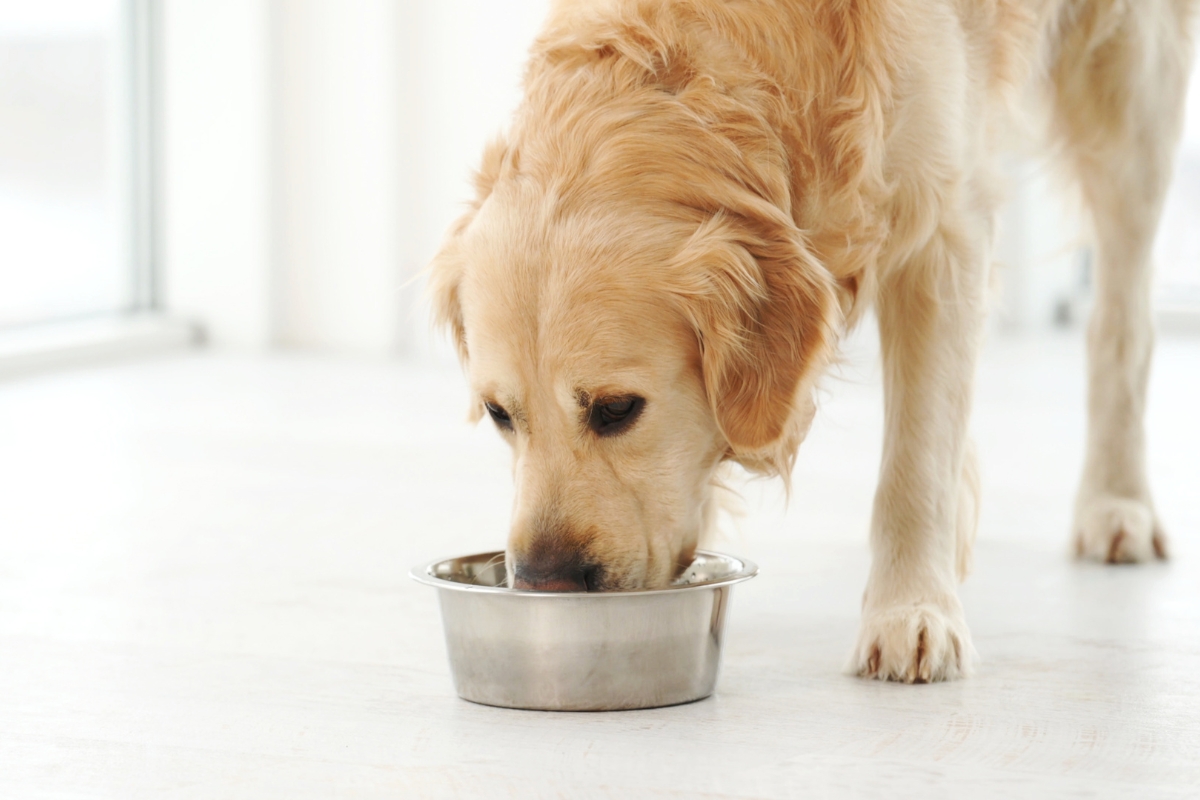
Puppies and kittens grow rapidly, while senior dogs and cats face very different nutritional priorities. Young pets need carefully balanced nutrition to support developing bones, muscles, organs, and immune systems. In contrast, older pets may need adjustments that help maintain lean muscle, healthy body condition, hydration, and overall wellness. Understanding these differences can help pet owners make better feeding decisions at every stage of life.
Nutrition should also reflect the individual animal, not just its age. During routine veterinary care, professionals can evaluate a pet’s body condition, activity level, growth, and health history to determine whether its current diet remains appropriate. A growing large-breed puppy, for example, may have very different needs from a small adult dog, just as a healthy senior cat may need different nutrition than an older cat with a medical condition.
Why Puppies and Kittens Need Different Nutrition
Young pets use significant amounts of energy while growing. Their bodies continuously develop new tissue, strengthen bones, build muscle, and mature internal systems. Therefore, diets formulated for growth generally provide concentrated nutrition designed to meet these higher developmental demands.
Puppies and kittens also have smaller stomachs than adult pets. As a result, they often need appropriately portioned meals that provide enough nutrients without overfeeding.
Key Nutritional Needs of Puppies
Puppies need a complete and balanced diet formulated for growth. Their nutritional requirements include appropriate amounts of protein, fat, vitamins, minerals, and calories.
Protein for Muscle Development
Adequate high-quality protein supports developing muscles and tissues. However, more protein is not necessarily better. The overall balance of nutrients matters more than focusing on a single ingredient.
Calcium and Phosphorus for Bone Development
Growing puppies need carefully balanced minerals to support skeletal development. This is especially important for large-breed puppies, which can be more vulnerable to skeletal problems if they grow too quickly.
Feeding an appropriate large-breed puppy formula and controlling portions can help support healthy development.
Energy for Growth and Activity
Puppies are usually active and require sufficient calories to fuel growth and play. However, excessive calories can contribute to unhealthy weight gain and rapid growth, particularly in larger breeds.
Key Nutritional Needs of Kittens
Kittens also require diets specifically designed for growth. They need adequate energy and nutrients to support rapid development and their naturally active lifestyle.
Protein supports muscle development, while appropriate fats provide concentrated energy and essential fatty acids. Kittens also need a balanced supply of vitamins and minerals for normal development.
Fresh water should always be available. Wet food can also contribute to overall fluid intake, which may be useful for cats that do not naturally drink large amounts of water.
Why Senior Pets Have Different Nutritional Needs
As pets age, their metabolism, activity level, muscle mass, and health status may change. Some senior pets become less active and require fewer calories. Others may lose muscle or develop health conditions that alter their nutritional requirements.
Therefore, senior nutrition should focus on the individual pet rather than simply switching to a food labeled “senior.”
Key Nutritional Needs of Senior Dogs
Senior dogs may benefit from nutrition that supports healthy body condition and helps preserve lean muscle.
Managing Calories and Weight
Older dogs often become less active. Continuing to feed the same amount they ate during their younger years may contribute to weight gain.
Excess body weight can place additional stress on joints and make movement more difficult. Portion adjustments may therefore become necessary.
Supporting Lean Muscle
Muscle loss can occur with aging. Providing adequate protein and maintaining appropriate activity can help support muscle condition, although dietary requirements vary according to individual health.
Considering Individual Health Conditions
Senior dogs may develop conditions that influence dietary needs, including kidney disease, diabetes, heart disease, dental problems, or gastrointestinal disorders. In these cases, a veterinarian may recommend a therapeutic diet or other nutritional adjustment.
Key Nutritional Needs of Senior Cats
Senior cats have their own nutritional considerations. Some older cats maintain a healthy weight and activity level, while others experience muscle loss, dental problems, reduced appetite, or medical conditions.
Cats are obligate carnivores, so adequate animal-based protein and appropriate overall nutrition remain important. However, the ideal diet depends on the cat’s health, body condition, preferences, and veterinarian’s recommendations.
Hydration also deserves attention. Wet food may help increase water intake for cats that consume little water independently.
Puppy and Kitten Nutrition vs. Senior Nutrition
The biggest difference is the nutritional goal.
Puppies and kittens:
- Support rapid growth and development
- Provide sufficient energy
- Support developing bones and muscles
- Meet higher developmental nutrient requirements
- Provide appropriately balanced growth nutrition
Senior dogs and cats:
- Maintain healthy body condition
- Help preserve lean muscle
- Adjust calories according to activity
- Support individual health needs
- Maintain adequate hydration
Consequently, feeding the same type and amount of food throughout a pet’s entire life may not always be appropriate.
When Should You Change Your Pet’s Diet?
There is no single age that automatically means every pet needs a new diet. Breed, size, activity level, body condition, reproductive status, and health all influence nutritional requirements.
Consider discussing a diet change when your pet:
- Reaches adulthood after growth
- Enters the senior life stage
- Gains or loses significant weight
- Becomes less active
- Develops a medical condition
- Experiences ongoing digestive problems
- Shows a persistent change in appetite
When changing food, transition gradually whenever possible. A sudden switch may cause digestive upset in some pets.
Common Feeding Mistakes to Avoid
Pet owners can unintentionally create nutritional problems by focusing only on food labels or age categories.
Avoid:
- Overfeeding based on begging behavior
- Giving excessive treats
- Making sudden diet changes
- Adding supplements without guidance
- Ignoring gradual weight changes
- Assuming every senior pet needs the same food
- Feeding adult maintenance food to growing puppies or kittens
Instead, monitor body condition and adjust feeding according to your pet’s individual needs.
How Toro Park Animal Hospital Can Help With Pet Nutrition
For pet owners, nutrition is most effective when it forms part of a broader wellness plan. Toro Park Animal Hospital can evaluate your pet’s age, body condition, lifestyle, growth, and health history when discussing appropriate nutritional choices.
Regular wellness examinations also provide opportunities to identify changes in weight, appetite, muscle condition, or other factors that may indicate a need to reassess the diet.
Puppies and kittens need nutrition that supports rapid growth, while senior dogs and cats often need dietary adjustments that focus on maintaining healthy body condition, muscle, hydration, and individual health. However, age should not be the only factor guiding food choices.
Monitoring your pet’s weight, activity, appetite, and overall condition can help you recognize when nutritional needs may have changed. Schedule your appointment with Toro Park Animal Hospital to discuss an age-appropriate diet that supports your pet’s health throughout every life stage.
Frequently Asked Questions
Q1. Can puppies and kittens eat senior pet food?
Ans: Senior diets are not generally formulated to meet the specific nutritional requirements of growing puppies and kittens. Young pets should receive a complete and balanced diet designed for growth.
Q2. Do senior pets need more protein?
Ans: Not every senior pet needs a higher-protein diet. Protein requirements depend on the individual animal, body condition, activity level, and health status. Your veterinarian can recommend an appropriate amount.
Q3. When should I switch my puppy or kitten to adult food?
Ans: Timing varies by species, breed, and size. Small dogs may mature earlier than large breeds, while cats generally transition after reaching physical maturity. Ask your veterinarian for an individualized recommendation.
Q4. Should senior dogs and cats eat fewer calories?
Ans: Some senior pets need fewer calories because they become less active, but this is not universal. Feeding amounts should reflect body condition, activity, metabolism, and health.
Q5. Is wet food better for senior cats?
Ans: Wet food can contribute to water intake and may be useful for some senior cats, particularly those that drink little. However, the best diet depends on the cat’s complete nutritional and health needs.
Q6. How often should my pet’s nutrition be reassessed?
Ans: Nutrition should be reviewed periodically and whenever your pet experiences changes in weight, activity, appetite, or health. Life-stage transitions are also useful times to discuss the current diet with your veterinarian.