Same Day Appointments Available


Why Does My Siamese Cat Meow So Much? Behavior Explained
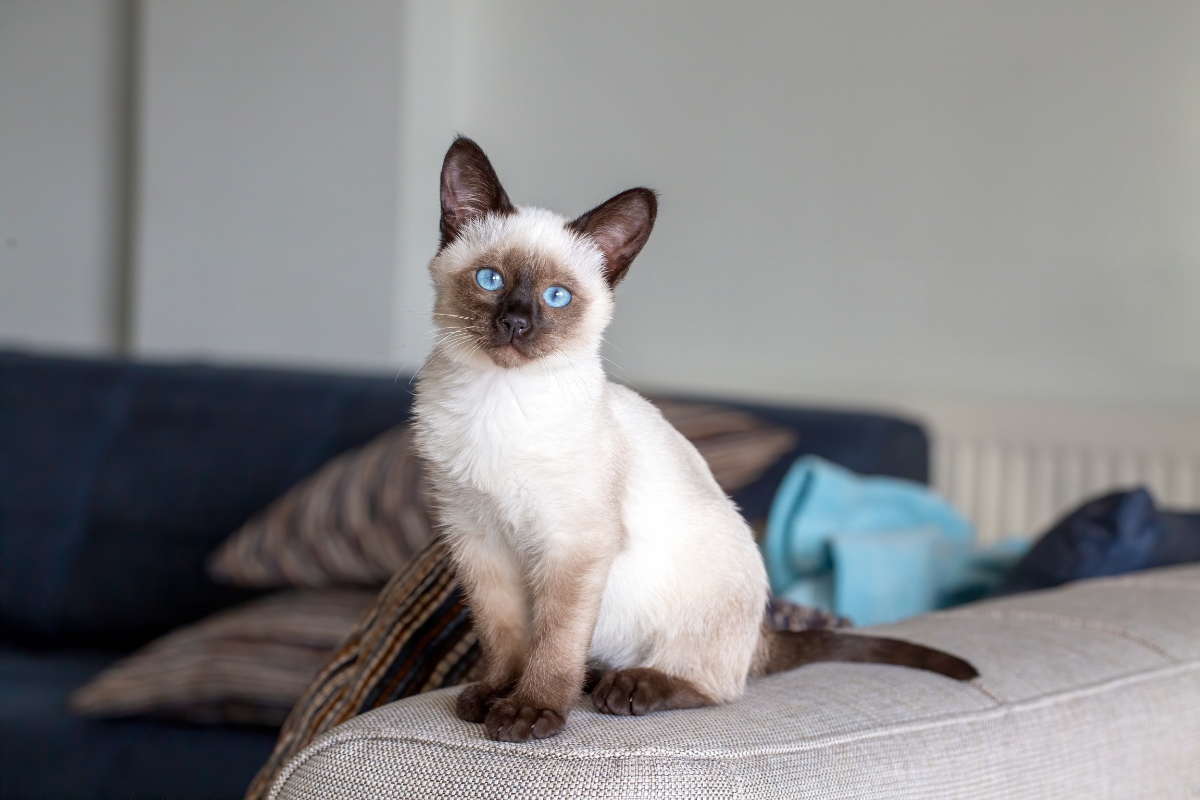
Cats communicate in many ways, but some are far more vocal than others. Many pet parents notice that their Siamese cat seems to meow throughout the day, respond to conversations, or demand attention more often than other cats. This behavior can feel unusual, especially for families who have previously lived with quieter cats.
At Toro Park Animal Hospital, we understand that learning your cat’s communication style is an important part of responsible pet ownership. Proper veterinary care can also help identify whether increased vocalization is simply part of a cat’s personality or connected to an underlying health concern. For families in Salinas, understanding why cats behave this way can make daily interactions easier and more rewarding.
Why Does a Siamese Cat Meow So Much?
Some cats naturally use their voice more frequently than others. Siamese cats are known for their strong communication skills because they often interact with people through a variety of sounds, tones, and patterns.
A Siamese cat may meow to express a variety of needs, including:
- Wanting attention or interaction
- Asking for food or treats
- Seeking playtime
- Showing excitement
- Responding to household activity
- Expressing boredom or frustration
Unlike cats that quietly observe their surroundings, some highly social breeds actively communicate with their families. Their vocal behavior is often a way of creating interaction rather than simply making noise.
Understanding the Social Nature Behind Vocal Behavior
Cats are naturally independent animals, but some breeds develop stronger social bonds with their human companions. Siamese cats often enjoy being involved in household activities and may follow family members from room to room.
A Siamese cat may vocalize because it wants to participate in what is happening around it. They may meow when you enter a room, when they want to play, or when they notice a change in their routine.
Common personality traits that may influence vocal behavior include:
- Strong attachment to people
- Curiosity about new situations
- Desire for mental stimulation
- Preference for regular interaction
- Sensitivity to changes in their environment
This does not mean every vocal cat has a problem. In many cases, frequent meowing is simply a form of communication. Understanding the reason behind the behavior helps pet parents respond appropriately.
Common Reasons Cats Become More Vocal
While personality plays a major role, there are several other reasons a cat may increase its meowing.
Seeking Attention
Some cats learn that meowing gets a response from their owners. If a cat receives play, food, petting, or conversation after vocalizing, they may continue using that method to communicate.
Providing regular interaction, play sessions, and enrichment activities can help reduce excessive attention-seeking behaviors.
Hunger or Changes in Feeding Routine
Cats are creatures of habit. Changes in feeding schedules or food availability may lead to more frequent vocalization. Some cats may also meow when they anticipate mealtime.
Maintaining a consistent feeding routine and discussing nutrition needs with a veterinarian can help support healthy habits.
Boredom and Lack of Stimulation
Indoor cats need opportunities to explore, play, and use their natural hunting behaviors. Without enough mental and physical activity, some cats may become more vocal.
Interactive toys, climbing areas, puzzle feeders, and daily play sessions may help provide appropriate outlets for energy.
Stress or Environmental Changes
Cats can react to changes that seem minor to humans. Moving furniture, introducing another pet, changing schedules, or welcoming new family members can affect their behavior.
Increased meowing may be a sign that a cat is trying to communicate discomfort or uncertainty. Watching for additional changes, such as hiding, changes in appetite, or litter box issues, can help determine whether further evaluation is needed.
When Increased Meowing May Need Veterinary Attention
Although vocal behavior is often normal, sudden changes should not be ignored. A cat that begins meowing much more than usual could be experiencing discomfort or a medical issue.
Pet parents should consider scheduling an examination if increased vocalization happens along with:
- Changes in eating or drinking habits
- Weight loss or weight gain
- Difficulty using the litter box
- Changes in sleep patterns
- Unusual aggression or hiding
- Signs of pain or discomfort
Older cats may also experience age-related changes that affect behavior. Conditions involving hearing, vision, cognitive function, or other health concerns can sometimes influence how often a cat vocalizes.
A veterinary professional can evaluate these changes and recommend appropriate steps. If you notice ongoing concerns, you may choose to visit our veterinary hospital for guidance on your cat’s health and behavior.
How Pet Parents Can Manage Excessive Meowing
The goal should not always be to stop a cat from making sounds. Vocal communication is a natural part of feline behavior. Instead, pet parents can focus on understanding what their cat is trying to communicate.
Helpful approaches include:
Create a Consistent Daily Routine
Cats often feel more comfortable when meals, playtime, and rest periods happen around predictable times.
Provide Interactive Activities
Regular play can help reduce boredom and provide healthy mental stimulation.
Avoid Reinforcing Unwanted Meowing
If a cat learns that constant meowing immediately leads to attention, the behavior may continue. Rewarding calm behavior can encourage better communication patterns.
Monitor Behavioral Changes
Keeping track of when and why your cat vocalizes can provide useful information. Note whether the meowing occurs around meals, at night, after environmental changes, or during specific situations.
The Connection Between Behavior and Overall Cat Health
Behavior can provide important clues about a cat’s overall wellness. Changes in communication patterns may sometimes appear before other noticeable symptoms.
Regular checkups allow veterinarians to monitor your cat’s health, discuss behavior concerns, and address questions about nutrition, preventive care, and daily routines. Professional veterinary care supports early awareness of changes that may affect your cat’s comfort and quality of life.
A healthy routine includes more than food and shelter. It also involves understanding emotional needs, providing enrichment, and recognizing when changes in behavior require attention.
Understanding Your Cat’s Communication Matters
Every cat has a unique way of expressing needs, emotions, and preferences. Frequent meowing is often a sign of a social, interactive personality, but changes in behavior warrant attention, as they can sometimes reflect health concerns.
By learning your cat’s habits and maintaining regular checkups, you can support their long-term wellness. Toro Park Animal Hospital provides compassionate guidance and veterinary care for cats, helping pet parents in Salinas and nearby locations understand behavioral changes and maintain healthier lives for their feline companions.
Frequently Asked Questions
Q1. Why is my Siamese cat meowing constantly?
Ans. Some cats are naturally more vocal and use meowing to interact with people. However, sudden increases in vocalization may be linked to stress, environmental changes, or health concerns that require evaluation.
Q2. Do cats meow more when they want attention?
Ans. Yes, many cats meow to request interaction, play, or affection. Providing regular attention and enrichment may help reduce repeated attention-seeking behaviors.
Q3. Should I worry if my cat suddenly becomes very vocal?
Ans. A sudden change in vocal habits can have several possible causes. Monitor for other symptoms and schedule a veterinary examination if the behavior persists or is accompanied by health changes.
Q4. How can I keep my cat from meowing at night?
Ans. Maintaining a consistent routine, providing daytime enrichment, and encouraging activity before bedtime may help reduce nighttime vocalization. Persistent changes should be discussed with a veterinarian.
Q5. Can health problems cause excessive meowing in cats?
Ans. Yes, certain medical concerns may affect behavior and communication. A veterinary evaluation can help determine whether the change is related to health or normal personality traits.