Same Day Appointments Available


Why Dog Teeth Cleaning is Important for Your Pet’s Health
We often joke about “doggy breath,” treating it as just a normal, albeit smelly, part of owning a pet. But if your dog’s kiss makes you turn your head away, it is likely more than just a nuisance; it is a cry for help.
Dental disease is the number one health issue affecting dogs today. By the age of three, over 80% of dogs have some form of periodontal disease. While pearly whites look great for photos, the reason why dog teeth cleaning is important goes far beyond cosmetics. It is a critical component of preventative healthcare that can add years to your best friend’s life.
The Hidden Dangers of Plaque and Tartar
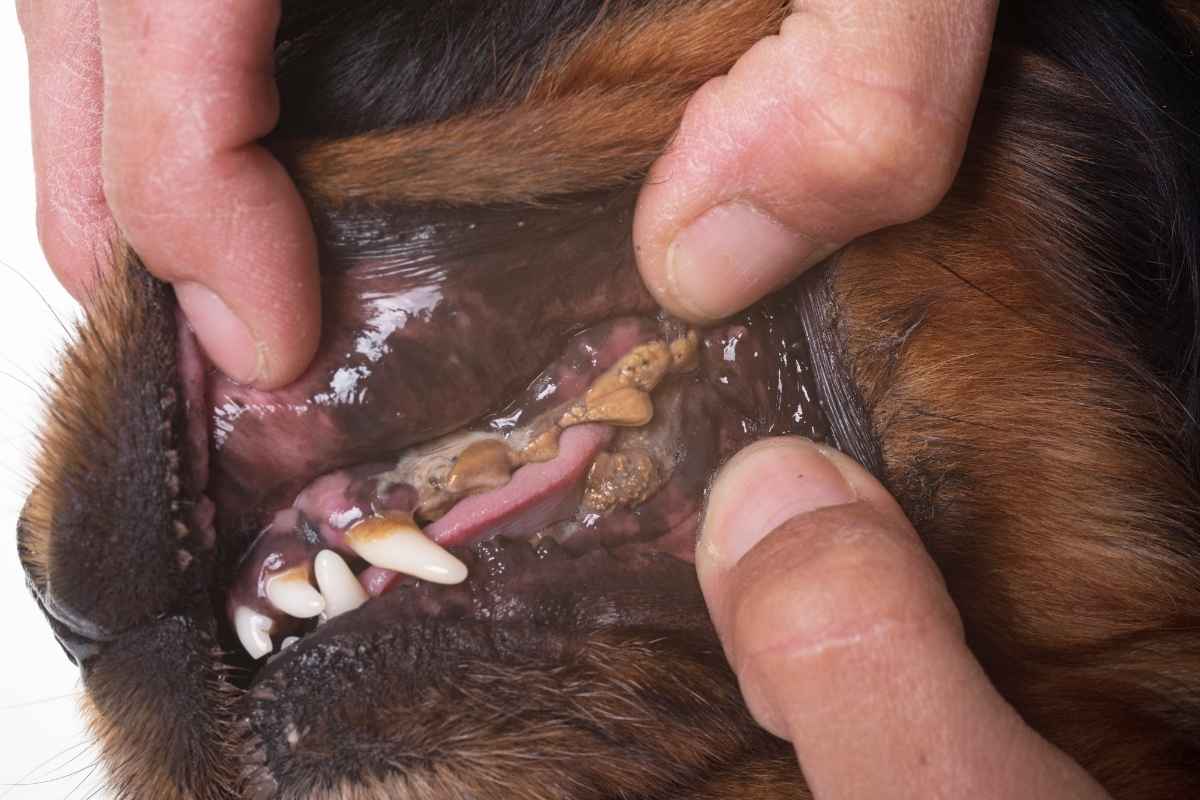
Dental issues start silently. After your dog eats, bacteria in the mouth combine with food particles to form plaque. If not brushed away, this plaque hardens into tartar (calculus) within just a few days. Tartar is that hard, brown substance you might see near the gum line.
Once tartar forms, it pushes against the gums, creating pockets where bacteria thrive. This leads to gingivitis (inflammation) and eventually periodontal disease. Unlike humans, dogs rarely complain about a toothache, meaning infection can destroy bone and gum tissue before you even realize there is a problem.
How Oral Health Affects the Whole Body
The mouth is the gateway to the body. The most alarming aspect of dental disease is that it doesn’t stay in the mouth. The gums are rich in blood vessels. When they are inflamed and bleeding, bacteria from the mouth can enter the bloodstream.
This phenomenon, known as bacteremia, allows pathogens to travel to major organs. Untreated dental disease has been linked to:
- Heart Disease: Bacteria can damage heart valves (endocarditis).
- Kidney Failure: The kidneys work overtime to filter bacteria, leading to long-term damage.
- Liver Damage: As a filtration organ, the liver is highly susceptible to blood-borne infections.
Routine cleaning isn’t just about saving teeth; it is about protecting organ function.
Signs Your Dog Needs a Dental Checkup
Since dogs are stoic, they will often continue eating even when in severe pain. It is up to you to spot the red flags.
Watch for these symptoms:
- Bad Breath: A foul, rotting odor is not normal.
- Discolored Teeth: Yellow or brown tartar buildup.
- Red Gums: Healthy gums should be bubblegum pink, not angry red or bleeding.
- Behavioral Changes: Chewing on one side of the mouth, dropping food, or shying away when you touch their head.
Professional Cleaning vs. Home Care
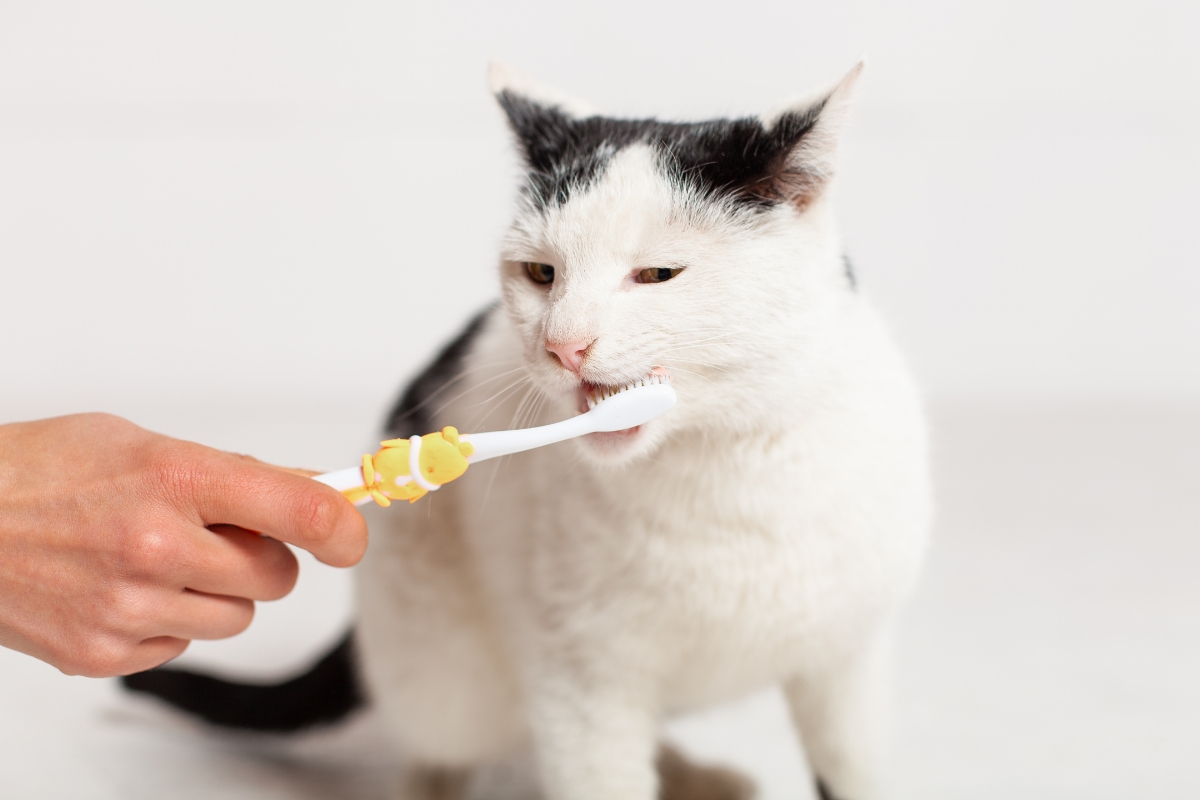
Many owners ask, “Can’t I just brush their teeth at home?” While daily brushing is the gold standard for prevention, it cannot remove hardened tartar or clean below the gum line where the real damage occurs.
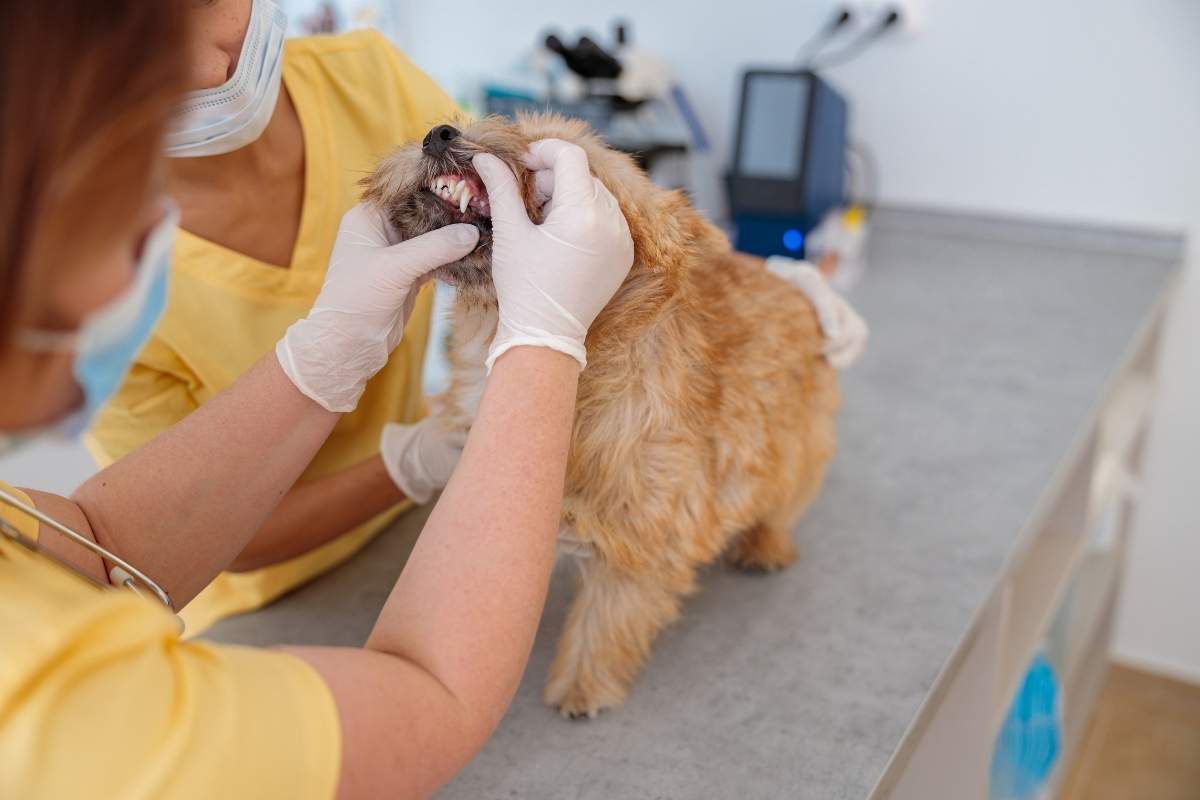
A professional veterinary dental cleaning involves:
- Anesthesia: This is non-negotiable for a thorough job. It allows the vet to scale under the gums, take X-rays, and polish teeth safely without stressing the dog.
- Scaling and Polishing: Removing the tartar prevents future plaque from sticking as easily.
- Full Exam: Identifying loose or broken teeth that need extraction to relieve pain.
Establishing a Dental Routine
The best approach is a combination of professional care and home maintenance.
- Brush Daily: Use a dog-specific toothpaste (never human fluoride paste).
- Dental Chews: Look for products with the VOHC (Veterinary Oral Health Council) seal of acceptance.
- Diet: Some prescription diets are formulated to scrub teeth as the dog chews.
Ignoring your dog’s dental health is a gamble with their overall well-being. A clean mouth means a healthier heart, less pain, and a happier companion. Don’t wait for the bad breath to become unbearable—preventative care is the kindest choice you can make.
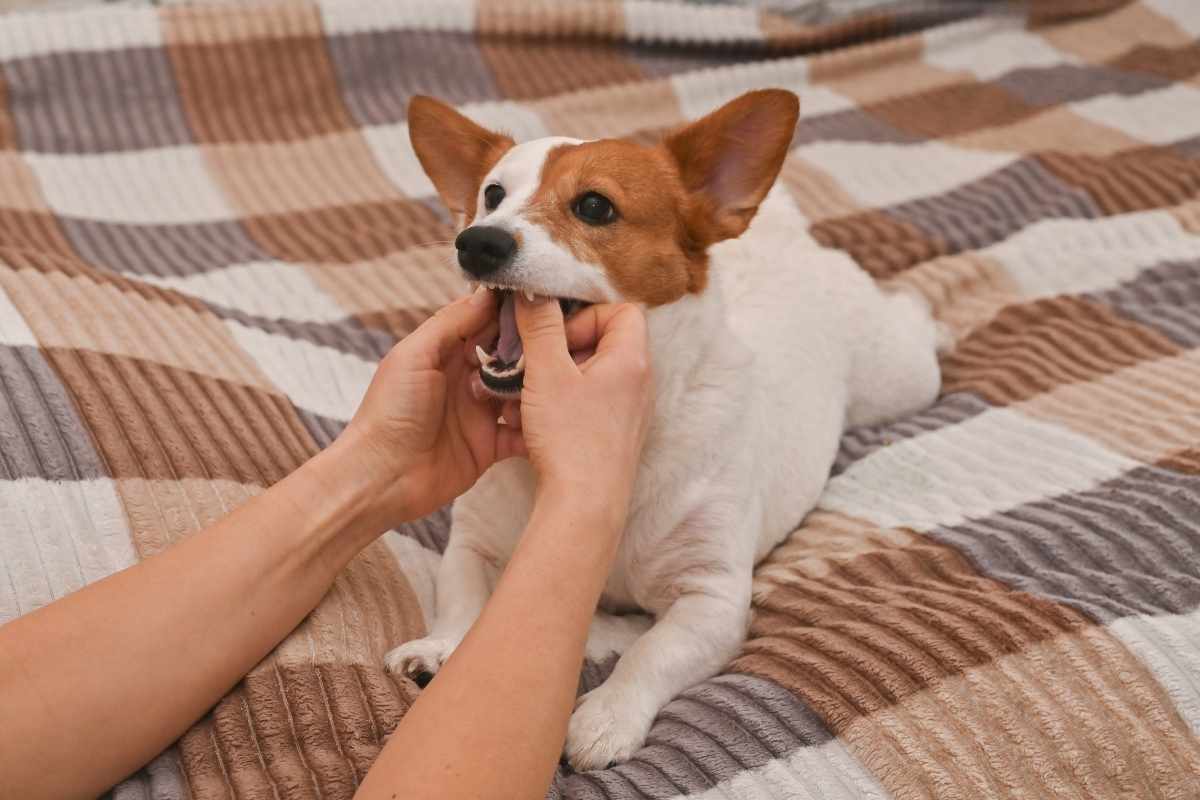
Take a look inside your dog’s mouth today. If you see brown tartar or red gums, it is time to take action.
Conveniently located in Salinas, CA, if you are searching for professional “vets near me” to get your dog’s smile sparkling again, we are the ideal choice for your family.
The dedicated team at Toro Park Animal Hospital is ready to provide comprehensive dental care to support your pet’s long-term vitality.
Frequently Asked Questions:
Q1: How often does my dog need a professional teeth cleaning?
Ans: Most veterinarians recommend a professional cleaning once a year. However, small breeds (like Chihuahuas and Yorkies) are more prone to dental disease and may need cleanings every 6 to 9 months.
Q2: Is anesthesia safe for my dog during a dental cleaning?
Ans: Yes, modern veterinary anesthesia is very safe. We perform pre-anesthetic blood work to ensure your dog’s organs can handle the medication, and vital signs are monitored constantly during the procedure.
Q3: Can dry food clean my dog’s teeth?
Ans: Standard dry kibble offers very little cleaning benefit because it shatters immediately upon contact. Only specialized veterinary dental diets are designed with a fibrous texture that actually scrubs the tooth surface.
Q4: Why does dog dental cleaning cost so much?
Ans: A veterinary dental cleaning is a surgical procedure. The cost includes blood work, anesthesia, professional monitoring, IV fluids, dental X-rays, and the expertise of the veterinary team—similar to human oral surgery.
Q5: My dog is old; is it too late to clean their teeth?
Ans: It is never too late to relieve pain. Senior dogs often feel “years younger” after a cleaning because the chronic infection and pain are gone. The risk of untreated disease is often higher than the risk of anesthesia.
Q6: Do bones help clean a dog’s teeth?
Ans: We generally advise against real bones (especially cooked ones) and hard antlers. They are often harder than the teeth themselves and are a leading cause of painful slab fractures that require tooth extraction.