Same Day Appointments Available


Four Stages of Dog Gum Disease: Spot Them Early at Home
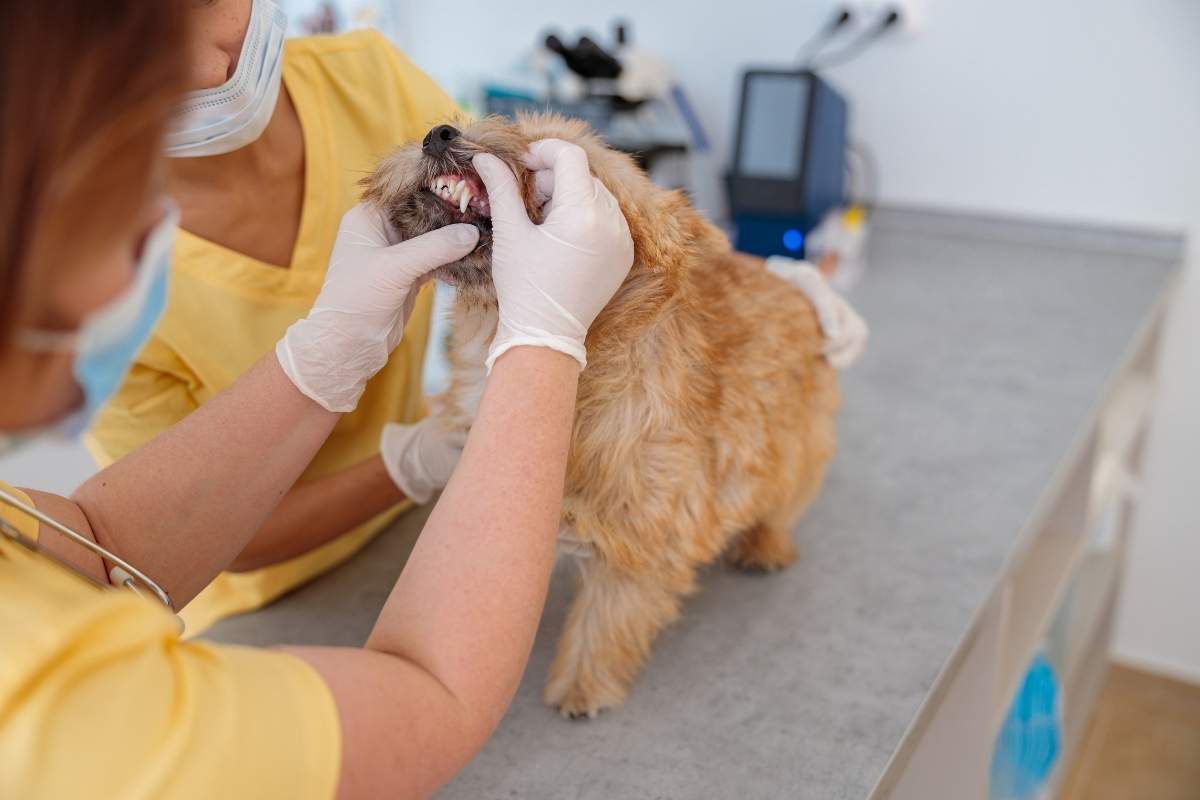
Maintaining your dog’s oral health is an essential part of their overall well-being, yet dental issues are often overlooked until they become serious. Understanding the early warning signs can help prevent discomfort and long-term health problems. At Toro Park Animal Hospital, we know how important it is for pet owners to recognize changes in their dog’s health before they progress. Dog gum disease, also known as periodontal disease, develops gradually in stages, making early detection crucial. This guide will walk you through the four stages of dog gum disease and how to spot them at home, especially for pet owners in Salinas, CA.
What Is Dog Gum Disease?
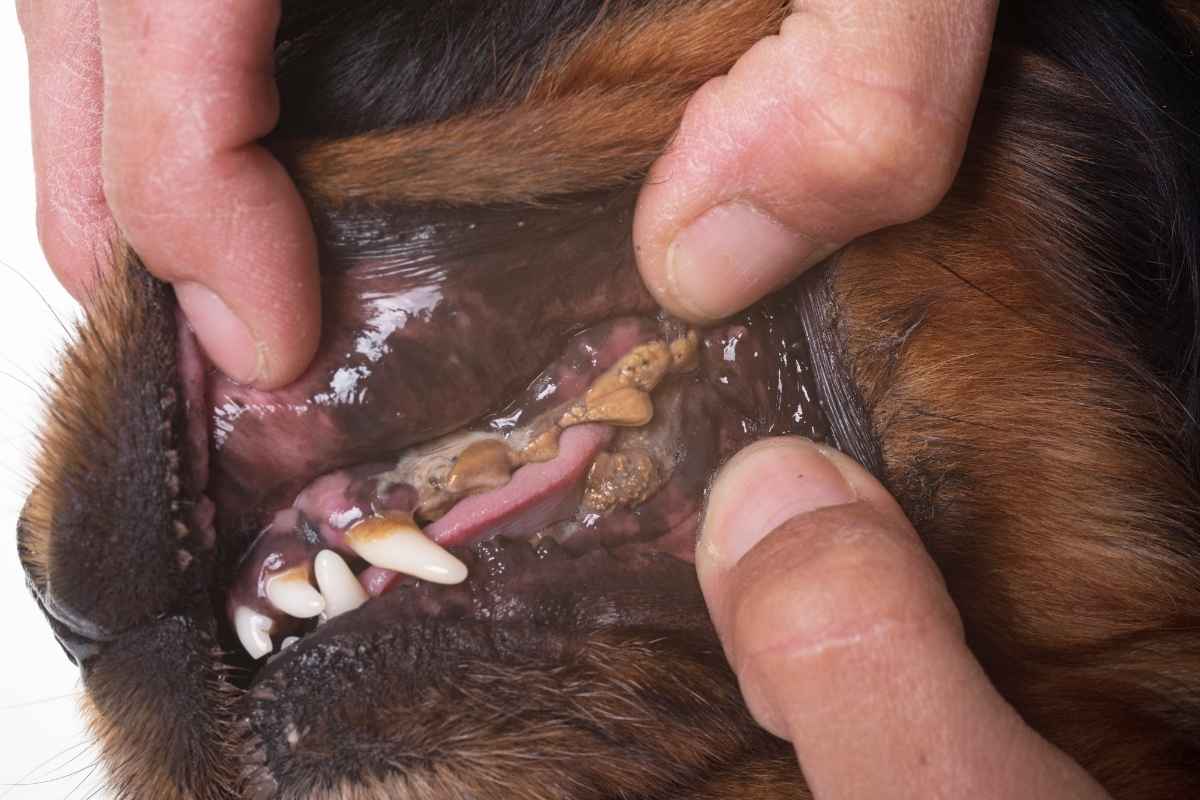
Dog gum disease is a progressive condition caused by plaque and bacteria buildup on the teeth and gums. If left untreated, it can lead to pain, tooth loss, and even affect internal organs. Regular pet dental care plays a key role in preventing this condition and maintaining your dog’s health.
Stage 1: Gingivitis (Early Stage)
This is the earliest and most reversible stage of dog gum disease.
Signs to Watch For:
- Red or swollen gums
- Mild bad breath
- Slight sensitivity when eating
What It Means:
At this stage, plaque buildup is beginning to irritate the gums, but no permanent damage has occurred yet.
What You Can Do:
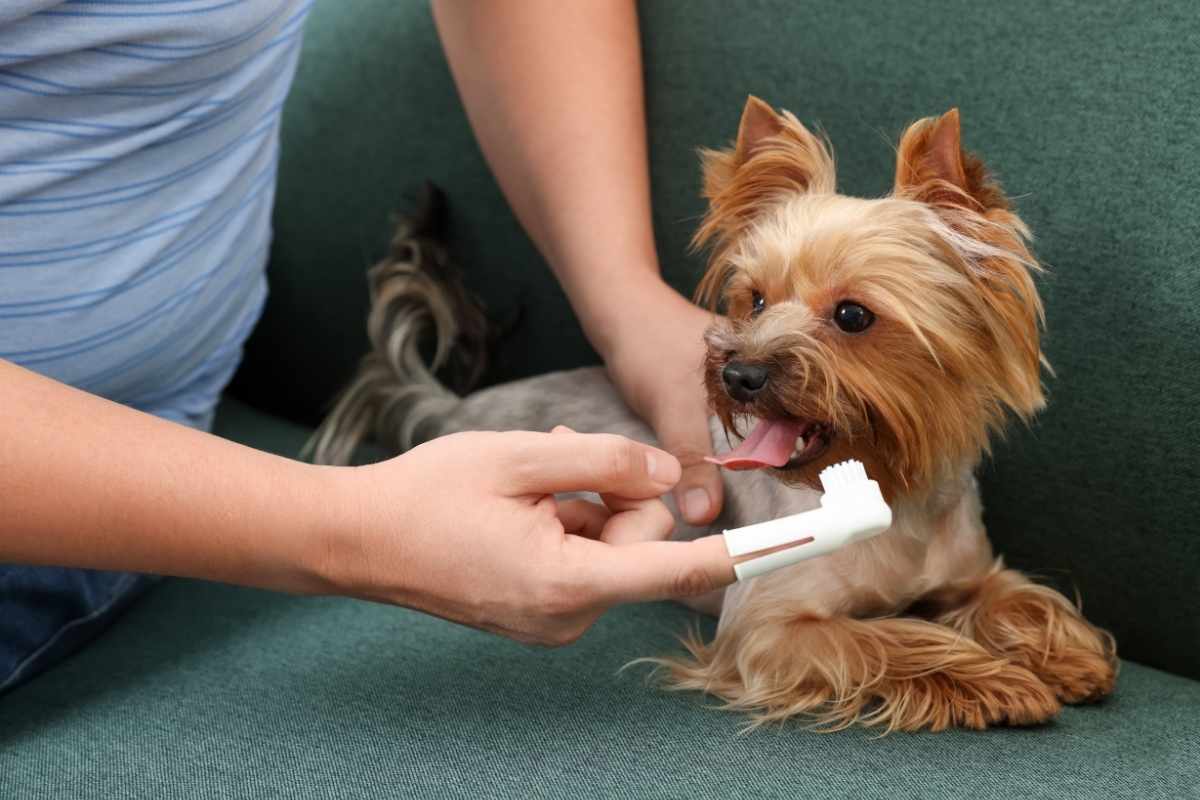
- Start regular brushing with dog-safe toothpaste
- Schedule a professional dental check-up
- Introduce dental chews if recommended
Early intervention can completely reverse gingivitis.
Stage 2: Early Periodontitis
If gingivitis is not treated, it can progress to early periodontitis.
Signs to Watch For:
- Increased redness and inflammation
- Persistent bad breath
- Minor gum recession
What It Means:
The infection begins to affect the structures supporting the teeth.
What You Can Do:
- Seek veterinary evaluation
- Begin more consistent pet dental care routines
- Follow professional cleaning recommendations
Stage 3: Moderate Periodontitis
At this stage, the disease becomes more serious and may cause noticeable discomfort.
Signs to Watch For:
- Significant gum recession
- Loose teeth
- Difficulty chewing
- Bleeding gums
What It Means:
Damage to the bone and supporting tissues is occurring, and the condition is no longer fully reversible.
What You Can Do:
- Schedule immediate veterinary care
- Follow treatment plans, which may include deep cleaning or medication
Stage 4: Advanced Periodontitis
This is the most severe stage of dog gum disease and requires urgent attention.
Signs to Watch For:
- Severe bad breath
- Tooth loss
- Swelling around the mouth
- Reduced appetite or refusal to eat
What It Means:
There is significant damage to the teeth, gums, and bone, which can lead to systemic health issues.
What You Can Do:
- Seek urgent veterinary treatment
- Consider advanced procedures such as tooth extraction
Why Early Detection Matters
Recognizing dog gum disease in its early stages can:
- Prevent pain and discomfort
- Avoid costly treatments
- Protect your dog’s overall health
Routine monitoring at home combined with professional care is the best approach.
How to Check Your Dog’s Gums at Home
Regular at-home checks can help you spot issues early:
- Lift your dog’s lips and examine gum color
- Look for redness, swelling, or bleeding
- Notice any unusual odor
- Observe eating habits and chewing behavior
These simple checks can help you catch problems before they worsen.
Tips for Preventing Dog Gum Disease
Preventive care is the most effective way to protect your dog’s oral health:
- Brush your dog’s teeth regularly
- Provide dental-friendly toys and treats
- Schedule routine veterinary dental exams
- Maintain a balanced diet
Consistent pet dental care can significantly reduce the risk of gum disease.
When to See a Veterinarian
You should seek professional care if you notice:
- Persistent bad breath
- Bleeding or swollen gums
- Difficulty eating
- Loose or missing teeth
Early treatment can prevent complications and improve your dog’s quality of life.
Dog gum disease is a common but preventable condition that develops in stages. By understanding the four stages and recognizing early signs, you can take proactive steps to protect your dog’s oral health. Regular monitoring, proper hygiene, and timely veterinary care are essential for keeping your pet comfortable and healthy.
Caring for your dog’s dental health requires consistency and attention. If you notice any signs of gum disease or want to ensure your dog’s teeth and gums are in good condition, you can schedule your appointment at Toro Park Animal Hospital. If you’re in Salinas, CA, working with a trusted veterinary team can help your dog maintain a healthy smile and overall well-being.
FAQs:
Q1. What causes dog gum disease?
Ans. It is caused by plaque and bacteria buildup on the teeth and gums.
Q2. Can dog gum disease be reversed?
Ans. Gingivitis can be reversed, but advanced stages may require treatment.
Q3. How often should I brush my dog’s teeth?
Ans. Ideally, you should brush your dog’s teeth daily or several times a week.
Q4. What are the first signs of gum disease in dogs?
Ans. Red gums and bad breath are common early signs.
Q5. Is bad breath always a sign of gum disease?
Ans. Not always, but persistent bad breath should be evaluated by a veterinarian.
Q6. How can I prevent gum disease in my dog?
Ans. Regular brushing, dental check-ups, and proper diet can help prevent it.