Same Day Appointments Available


Pet Costume Safety: Avoiding Common Costume Mistakes That Can Harm Your Pet
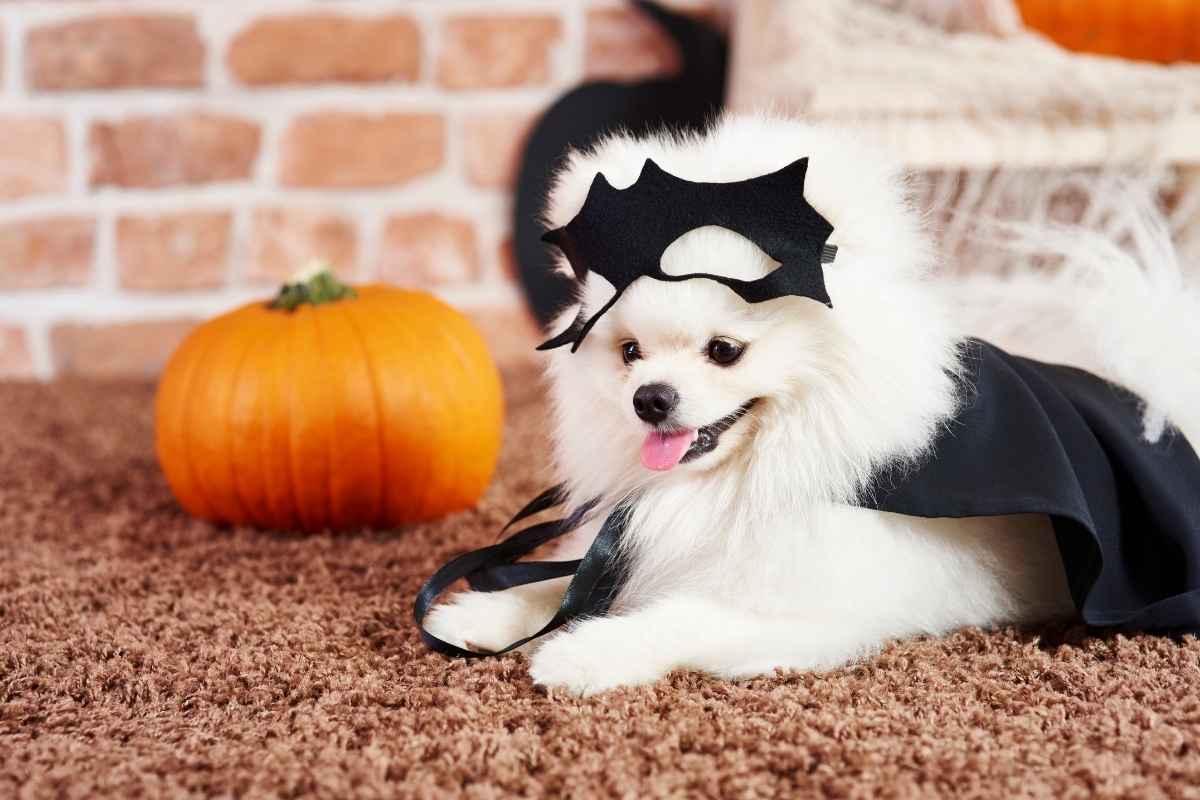
Halloween is an exciting time for pet owners who want to include their furry friends in the festivities. However, not all costumes are safe. Improperly chosen outfits can cause discomfort, restrict movement, or even lead to injury. Understanding pet costume safety and avoiding common Halloween costume mistakes ensures your pets enjoy the holiday safely and comfortably.
Why Pet Costume Safety Is Important
Pets are not accustomed to wearing clothing or accessories, which means even cute costumes can become stressful or harmful if not chosen carefully. Risks include:
- Choking hazards from small, loose decorations
- Overheating from heavy or non-breathable materials
- Restricted movement, which may lead to accidents
- Stress and anxiety from tight or uncomfortable fits
Prioritizing pet costume safety helps prevent these risks and ensures your pet enjoys the celebration without discomfort or danger.
Common Halloween Costume Mistakes to Avoid
1. Choosing the Wrong Size
Costumes that are too tight can restrict breathing and movement, while oversized outfits may cause tripping. Always measure your pet’s neck, chest, and back length before purchasing any costume.
2. Ignoring Material and Fabric
Heavy fabrics or non-breathable materials can cause overheating, especially for pets with thick coats. Lightweight, soft fabrics such as cotton or fleece are best for comfort and airflow.
3. Adding Small, Chewable Decorations
Small buttons, beads, or accessories can be easily chewed and swallowed, leading to choking or digestive issues. Always remove or securely attach any detachable parts.
4. Covering Eyes, Ears, or Mouth
Masks or hoods that cover sensory organs can disorient your pet. Ensure their vision, hearing, and breathing are never obstructed.
5. Not Testing the Costume Before Halloween
Introduce the costume gradually and allow your pet to wear it for short periods. Positive reinforcement with treats helps pets associate the outfit with enjoyable experiences.
Tips for Safe and Comfortable Costumes
- Measure Accurately: Use a soft tape measure to record neck, chest, and back dimensions.
- Choose Adjustable Designs: Velcro or elastic straps allow a snug, flexible fit.
- Prioritize Mobility: Pets should be able to walk, sit, and lie down comfortably.
- Supervise at All Times: Never leave a pet unattended while wearing a costume.
DIY Costume Safety Tips
If you prefer creating your own costumes, keep these safety tips in mind:
- Use Pet-Friendly Materials: Soft, breathable fabrics are ideal.
- Avoid Small or Loose Parts: Secure decorations with non-toxic glue or stitching.
- Limit Costume Duration: Keep wearing time short to reduce stress and overheating.
- Check for Allergies: Some fabrics or dyes may irritate sensitive skin.
Halloween should be a fun, safe experience for your pets. Avoiding common costume mistakes and prioritizing pet costume safety ensures they stay comfortable, healthy, and happy throughout the festivities. Remember to measure accurately, supervise during costume wear, and choose pet-friendly materials. With careful planning, your furry friends can join in the Halloween fun without stress or risk.
For expert advice on maintaining your pet’s comfort and health while dressing them up, Toro Park Animal Hospital in Salinas, CA, offers resources and professional guidance for pet owners.
FAQs:
Q1. Can my pet wear a costume all day?
Ans. No, pets should wear costumes for short periods only. Long-term wear can cause stress, overheating, or skin irritation.
Q2. What fabrics are safest for pet costumes?
Ans. Soft, breathable fabrics such as cotton or fleece are ideal. Avoid heavy, non-breathable, or scratchy materials.
Q3. Are hats or shoes safe for pets?
Ans. Only if they fit comfortably and don’t restrict movement. Always supervise pets wearing accessories and remove anything causing stress.
Q4. How can I reduce stress while my pet wears a costume?
Ans. Introduce the costume gradually, reward positive behavior with treats, and ensure proper fit and mobility.
Q5. Can small accessories in costumes be dangerous?
Ans. Yes, buttons, beads, or other detachable decorations can be swallowed and pose choking or digestive hazards.
Q6. How do I measure my pet for the perfect costume fit?
Ans. Use a soft tape measure to record neck, chest, and back length, and compare to the costume’s size chart for accuracy.