Same Day Appointments Available


Unexpected Halloween Dangers for Pets You May Not Think About
For families in Salinas, Halloween can mean decorated homes, costumes, visitors, and frequent trips to the front door. Candy gets plenty of attention, but it is only one seasonal concern. Decorations, costume accessories, noise, open doors, and unfamiliar objects can also put dogs and cats at risk.
Why Can This Holiday Be Risky for Dogs and Cats?
Pets do not understand why familiar surroundings suddenly look and sound different. A calm dog may become unsettled by masks or repeated doorbells. A curious cat may investigate cords, fake cobwebs, or small decorations.
Hidden Halloween Decoration Hazards Around the Home
Seasonal decorations can create choking, intestinal, electrical, and burn hazards.
Fake cobwebs and stringy decorations can be swallowed and may become trapped in the digestive tract. Small plastic spiders, costume pieces, and decorative objects can also become foreign bodies.
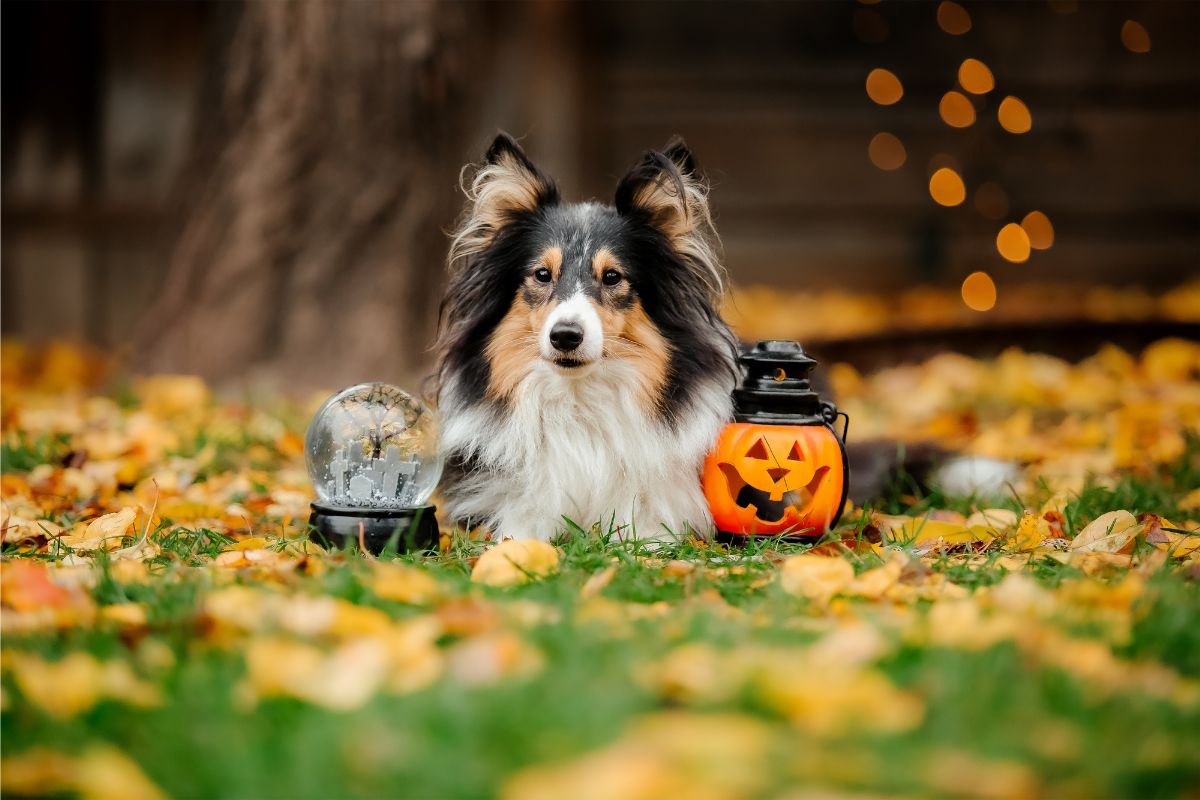
Electrical cords deserve attention around puppies, kittens, and pets that chew. Biting a live cord can cause mouth injuries or electric shock. Candles and lit jack-o’-lanterns can burn a curious pet or be knocked over.
Glow sticks are another overlooked item. Their liquid is generally considered low in toxicity, but its bitter taste can cause marked drooling and agitation.
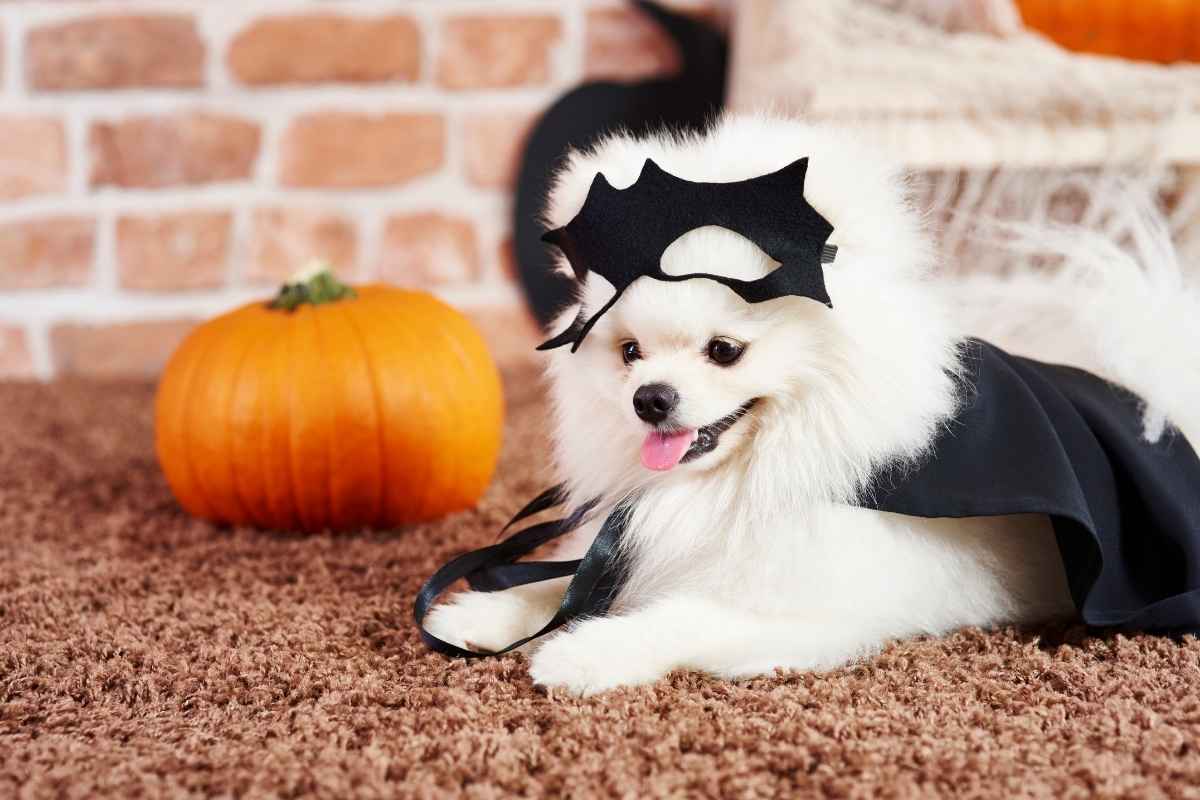
Pet Costumes Can Cause More Than Discomfort
A costume should never restrict breathing, vision, hearing, or normal movement. Loose strings, buttons, bells, and decorative pieces can become choking or swallowing hazards.
Watch for panting, freezing, hiding, unusual agitation, or repeated attempts to remove the outfit. Take it off if your pet seems uncomfortable.
The Front Door May Be One of the Biggest Risks
Halloween visitors create repeated opportunities for a dog or cat to slip outside. In Salinas neighborhoods with active trick-or-treating, even an indoor pet can become frightened and bolt through an open doorway.
Prepare a quiet room away from the entrance. Check that identification tags are secure and microchip contact information is current.
Noise and Visitors Can Trigger Stress
Doorbells, excited children, masks, unfamiliar voices, and routine changes can overwhelm some pets. Mild stress may appear as hiding, pacing, trembling, vocalizing, panting, or reduced interest in food.
Give your pet space rather than forcing interaction. Never give human calming medication unless a veterinarian has specifically instructed you to use it for that pet.
If severe anxiety is predictable, discuss a management plan with your veterinary team before Halloween. Call our animal hospital now if concerning behavior occurs with injury, breathing problems, collapse, or another sudden health change.
When Does a Halloween Accident Need Veterinary Care?
A brief startle response that resolves in a quiet room can often be monitored. Arrange an examination if vomiting, diarrhea, poor appetite, persistent coughing, limping, mouth pain, or unusual behavior continues.
Seek prompt or emergency attention for difficulty breathing, collapse, seizures, serious burns, major trauma, uncontrolled bleeding, or suspected ingestion of a dangerous object. Do not induce vomiting or give human medication unless veterinary professionals specifically direct you.
Prepare Your Pet Before Halloween Night
Walk through your home from your pet’s point of view. Move cords, batteries, candles, strings, small decorations, and costume accessories out of reach. Secure doors and choose a calm room where your pet can retreat.
If your dog or cat becomes ill, injured, or unusually distressed, contact Toro Park Animal Hospital for guidance and an appropriate evaluation. Pet owners in Salinas and nearby communities can contact our veterinary clinic when a seasonal concern needs professional attention. If you are searching for a vet near you after an unexpected incident, timely advice can help determine the next step.
Frequently Asked Questions
Q1. Can fake spider webs hurt pets if swallowed?
Ans. Yes. String-like material can become lodged in the digestive tract and may cause an obstruction. Contact a veterinary clinic if your pet swallowed fake webbing, especially if vomiting, appetite loss, abdominal discomfort, or lethargy develops.
Q2. What should I do if my pet chews an electrical cord?
Ans. Move your pet away from the power source safely and seek veterinary guidance. Mouth burns may not show the full extent of an electrical injury. Toro Park Animal Hospital can evaluate concerns about injuries and advise on appropriate next steps.
Q3. Are glow sticks poisonous to dogs and cats?
Ans. The liquid in many glow sticks is low-toxicity but extremely bitter and can cause sudden drooling or agitation. If the container was damaged, material was swallowed, or symptoms persist, Toro Park Animal Hospital can help determine whether an examination is needed.
Q4. How can I keep my pet from escaping during trick-or-treating?
Ans. Keep your pet in a secure room away from the entrance and check doors carefully. Make sure identification and microchip information are current. These precautions reduce the risk of escape when visitors repeatedly enter and leave.
Q5. When should stress symptoms become a veterinary concern?
Ans. Persistent distress, refusal to eat, injury, breathing difficulty, collapse, or severe behavioral changes deserve veterinary attention. Toro Park Animal Hospital can assess whether symptoms reflect stress alone or another medical problem requiring care.
Q6. Should pets wear costumes for the holiday?
Ans. Only if they remain comfortable and can move, breathe, see, and hear normally. Avoid dangling parts and tight clothing. Remove the costume immediately if your pet freezes, pants excessively, hides, struggles, or repeatedly tries to escape it.