Same Day Appointments Available


Tooth Resorption in Cats: Symptoms, Causes, and When Tooth Extraction Is Necessary
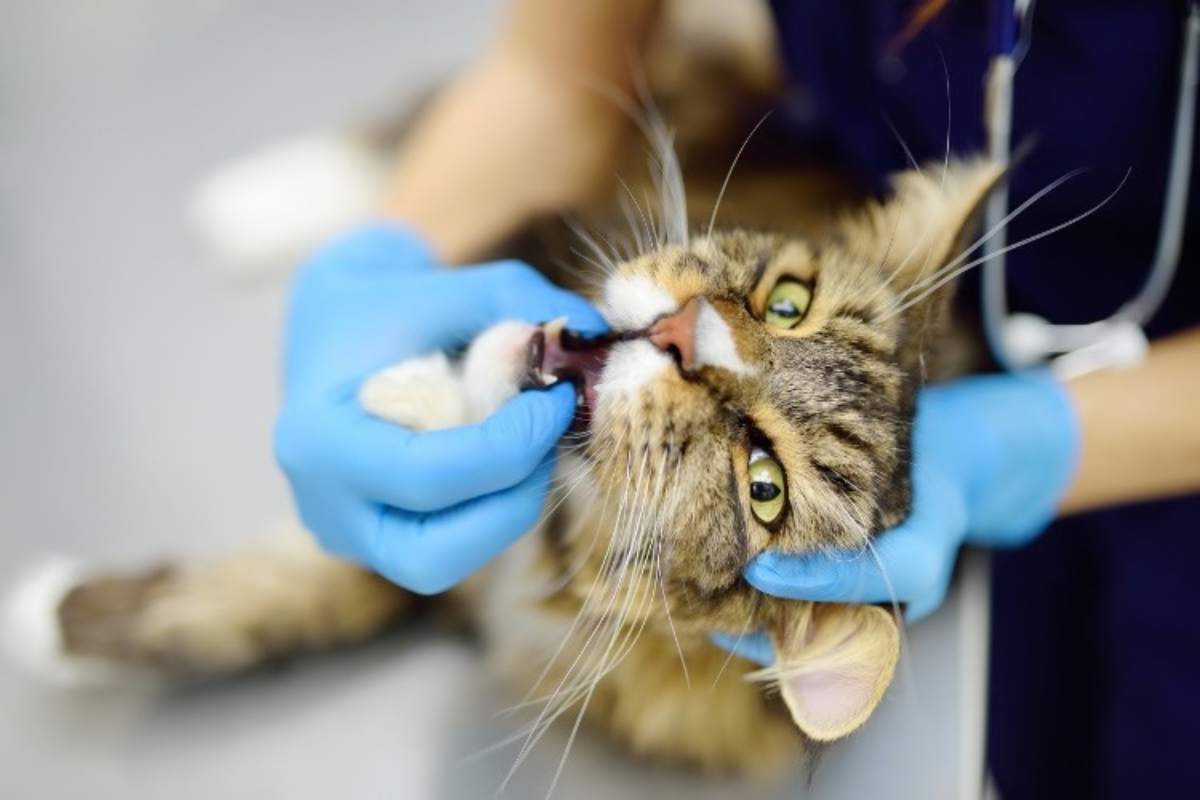
A cat may continue eating, grooming, and playing even when a tooth is causing significant pain. Unlike humans, cats rarely make dental discomfort obvious. You might notice them chewing on one side, avoiding crunchy food, or becoming less interested in their favorite treats. These small changes can sometimes indicate tooth resorption, a painful dental condition that gradually destroys a tooth’s structure.
Many cat owners wonder whether tooth resorption can be treated without removing the affected tooth. This guide is especially for cat owners in Salinas who want to understand the warning signs, possible causes, and available treatments. Recognizing dental problems early can help relieve discomfort, protect remaining teeth, and allow cats to enjoy their daily routines without unnecessary pain.
What Is Tooth Resorption in Cats?
Tooth resorption occurs when cells called odontoclasts begin breaking down the hard tissues of a cat’s tooth. The process may start beneath the gumline, where it remains hidden during a routine visual examination.
As the condition progresses, it can damage the dentin, enamel, and eventually the tooth’s crown. Once the sensitive inner structures become exposed, eating and chewing may become painful.
Unlike ordinary cavities, tooth resorption is not primarily caused by bacteria breaking down the tooth surface. It involves the body’s own cells destroying dental tissue.
According to Cornell University’s College of Veterinary Medicine, tooth resorption is a common cause of tooth loss in cats. Although it frequently affects adult and older cats, younger animals can develop the condition.
What Causes Tooth Resorption in Cats?
The exact cause of feline tooth resorption remains unknown. Researchers have investigated several possible contributing factors, but no single explanation accounts for every case.
Factors under investigation include:
- Inflammation: Changes in the tissues surrounding teeth may contribute to certain forms of resorption.
- Periodontal disease: Gum inflammation and damage to supporting tissues can occur alongside resorptive lesions.
- Age-related changes: The condition becomes increasingly common as cats grow older.
- Dietary and mineral factors: Researchers have explored possible connections involving vitamin D and mineral metabolism, although a causal relationship has not been established.
Importantly, tooth resorption can develop even in cats receiving regular dental cleanings and appropriate home care.
Owners should not blame themselves when their pets develop this condition. The priority is identifying affected teeth and addressing discomfort before further damage occurs.
Common Symptoms of Tooth Resorption in Cats
Cats instinctively conceal discomfort, making dental problems difficult to recognize at home. Some continue eating normally despite having severely damaged teeth.
Changes in Eating and Chewing
One of the earliest clues may involve changes in how your cat handles food.
Watch for:
- Dropping food while eating
- Chewing on only one side
- Swallowing kibble without chewing
- Preferring wet food over dry food
- Taking longer to finish meals
- Refusing hard treats
A cat that suddenly avoids previously enjoyed food may be experiencing oral discomfort.
Visible Changes Around the Gums
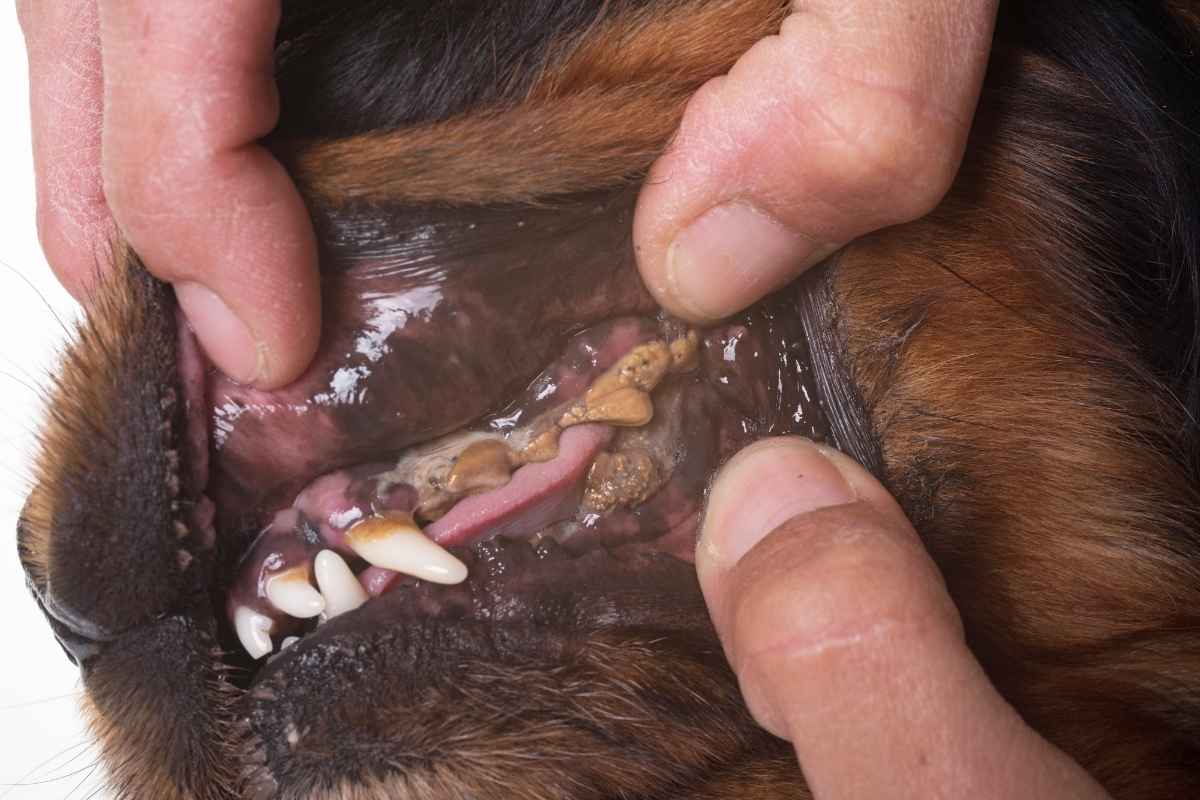
Some affected teeth develop red, swollen tissue near the gumline. Occasionally, owners notice a small pink or reddish area where the gum meets the tooth.
Other possible findings include bleeding gums, damaged tooth surfaces, or missing portions of a tooth. However, many resorptive lesions remain invisible without dental X-rays.
Behavioral Changes and Discomfort
Dental pain can affect behavior in unexpected ways.
Your cat may:
- Withdraw from family activities
- Become irritable when touched near the face
- Paw at the mouth
- Drool more frequently
- Resist having the mouth examined
- Show less interest in grooming
These symptoms can also indicate other medical conditions. A veterinary examination is necessary to determine their cause.
How Veterinarians Diagnose Feline Tooth Resorption
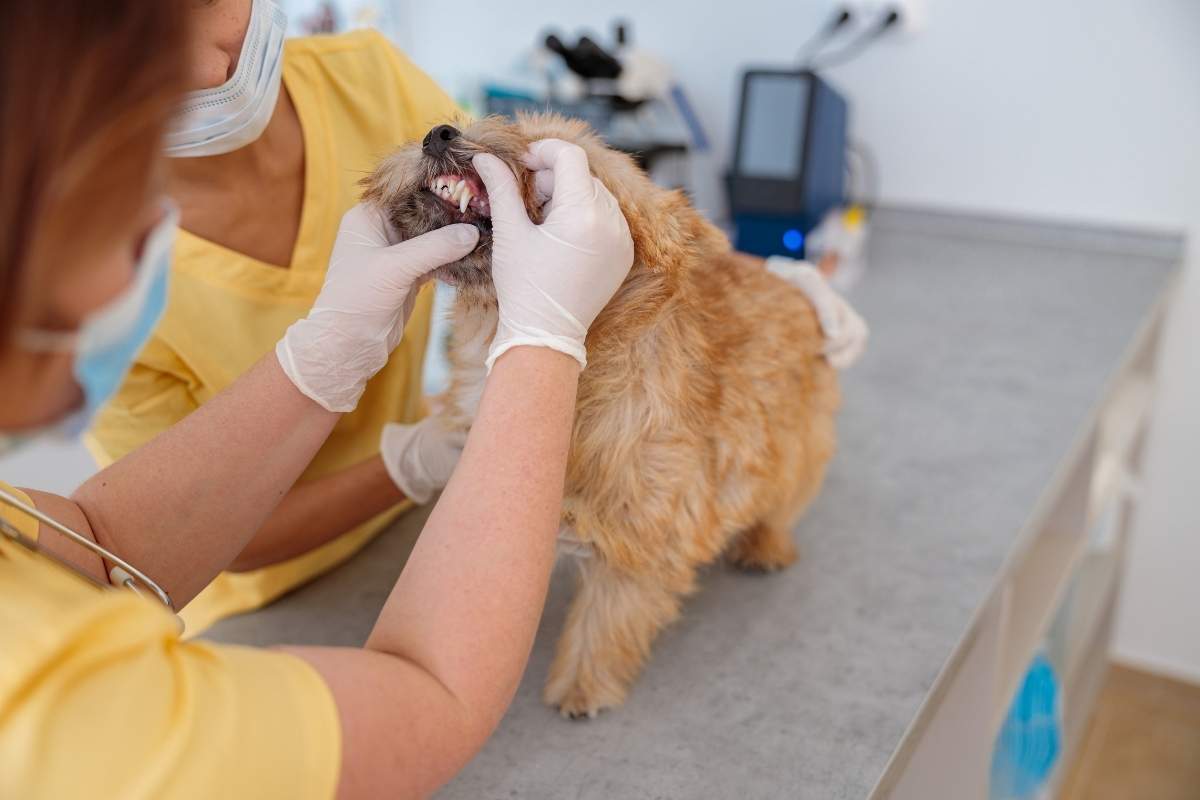
Diagnosing tooth resorption requires more than looking inside a cat’s mouth. At our veterinary hospital, we offer dental examinations, professional cleanings, and dental X-rays when indicated to investigate problems beneath the gumline.
Initial Oral Examination
Our vets begin by assessing your cat’s mouth for visible damage, inflammation, missing teeth, and other abnormalities. We also consider changes in eating habits, behavior, and overall health. An awake examination provides useful information, but it cannot reveal every dental problem.
Dental Examination Under Anesthesia
A thorough dental assessment generally requires anesthesia, allowing veterinarians to examine individual teeth safely and carefully. Dental X-rays are particularly important because they reveal changes affecting tooth roots and surrounding bone.
Images also help distinguish different patterns of resorption, which influence treatment decisions. Before anesthesia, our veterinarians perform a pre-anesthetic assessment and may recommend bloodwork based on your cat’s health.
These diagnostic steps are an important part of pet dental care, particularly when painful conditions develop beneath otherwise normal-looking gums.
When Is Tooth Extraction Necessary?
Tooth extraction is frequently recommended when resorption has damaged the tooth’s crown, exposed sensitive tissues, or caused significant pain.
Unfortunately, damaged dental tissue cannot regenerate normally. Fillings and routine cleanings cannot stop the underlying resorptive process. Treatment depends on the type and extent of tooth damage.
Type 1 Tooth Resorption
Type 1 resorption involves destruction of tooth tissue while the roots remain distinguishable on dental X-rays. Complete extraction, including removal of the affected roots, is generally recommended.
Type 2 Tooth Resorption
In Type 2 resorption, portions of the tooth root gradually become replaced by bone-like tissue. For selected cases, a veterinarian may recommend removing the crown while leaving appropriately resorbing roots in place. This procedure, called crown amputation, is not suitable for every affected tooth.
Type 3 Tooth Resorption
Type 3 involves characteristics of both Type 1 and Type 2 within the same tooth. Treatment may involve different approaches for individual roots, depending on dental X-ray findings.
Our vets evaluate each affected tooth before recommending treatment. The objective is to eliminate pain while protecting your cat’s remaining oral health.
What Happens After Your Cat’s Tooth Extraction?
Many owners worry that removing a tooth will make eating difficult. Fortunately, cats generally adapt well after painful teeth are removed.
After the procedure, your cat may need:
- Prescribed pain medication
- Soft food during initial healing
- Temporary restrictions on hard treats or toys
- Monitoring for bleeding or swelling
- A follow-up examination when recommended
Never give human pain medications unless specifically directed by your veterinarian. Several common medications are dangerous for cats.
Once the painful tooth has been addressed and healing progresses, owners may notice improved appetite, grooming, and social interaction. Recovery varies depending on the number of teeth treated and your cat’s medical condition.
Can Tooth Resorption in Cats Be Prevented?
There is currently no proven method for preventing feline tooth resorption entirely. However, consistent pet dental care helps veterinarians identify oral problems and manage other dental conditions.
Useful preventive habits include:
- Scheduling regular veterinary examinations
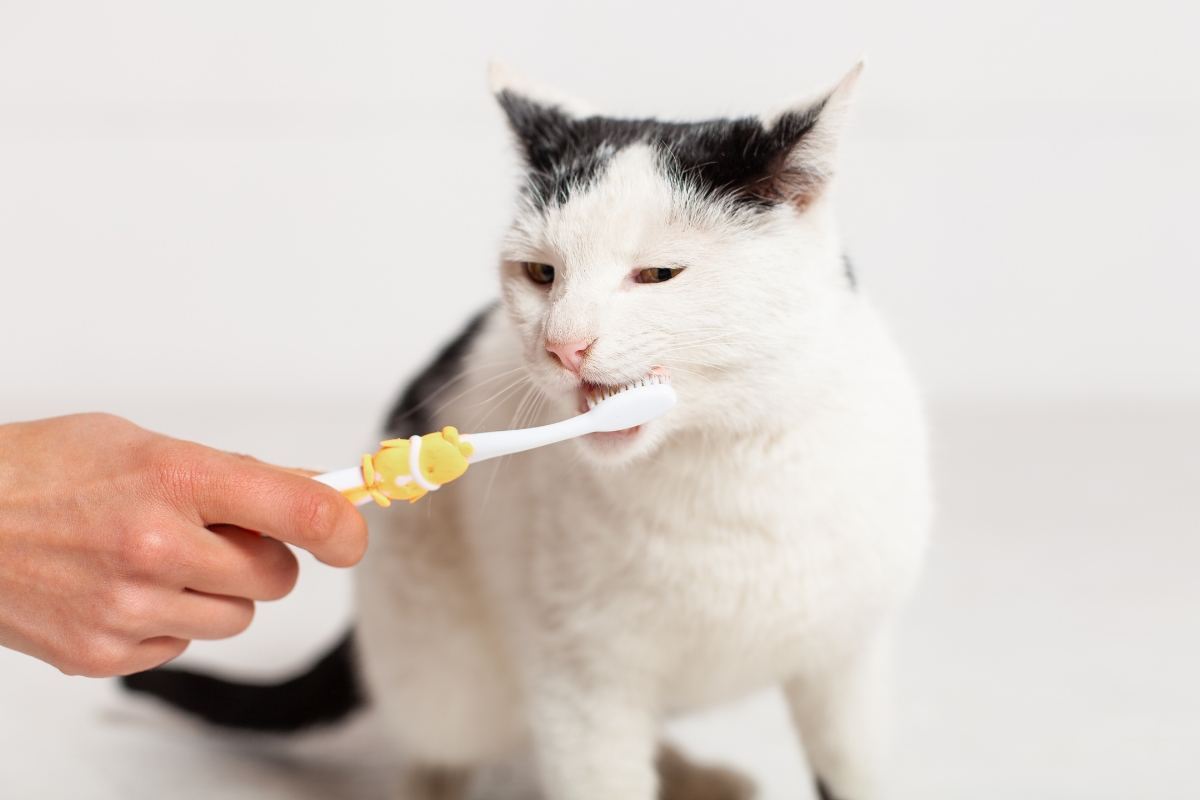
- Brushing teeth with cat-safe toothpaste when tolerated
- Watching for changes in eating habits
- Following recommendations for professional dental evaluations
- Seeking veterinary advice when gums appear inflamed
Home brushing helps control plaque, but it cannot reverse tooth resorption.
Cats previously diagnosed with the condition may develop additional affected teeth, making continued dental monitoring important.
Help Your Cat Enjoy Life Without Dental Pain
Tooth resorption can quietly affect a cat’s appetite, behavior, and daily comfort. Although the condition cannot be reversed, timely diagnosis and appropriate treatment can remove painful dental tissue and help restore comfortable eating.
At Toro Park Animal Hospital, we understand how concerning it can be when your cat suddenly changes eating habits or shows signs of mouth pain. Our veterinary team provides dental evaluations, professional cleanings, dental X-rays when indicated, and extractions when necessary.
If you live in Salinas and suspect your cat has a dental problem, don’t wait for the discomfort to become severe. Book an appointment today and let us help your cat return to comfortable meals, familiar routines, and a happier daily life.
Frequently Asked Questions
Q1. Can tooth resorption in cats heal naturally?
Ans. No. Tooth resorption causes permanent destruction of dental tissue. The affected structure cannot regenerate normally. Although early lesions may sometimes be monitored, painful or advanced cases generally require extraction or another appropriate dental procedure.
Q2. Is tooth extraction painful for cats?
Ans. Extractions are performed under general anesthesia, with pain control provided during and after treatment. Some postoperative soreness is expected, but prescribed medication helps manage discomfort. Removing a painful tooth can significantly improve a cat’s comfort after recovery.
Q3. Can cats eat normally after losing teeth?
Ans. Yes. Most cats adapt remarkably well after dental extractions. Soft food is commonly recommended during healing. Once recovered, many return to their usual eating habits, although dietary recommendations depend on their remaining teeth and overall health.
Q4. Where can I get my cat checked for tooth resorption in Salinas?
Ans. Toro Park Animal Hospital provides feline dental evaluations in Salinas. Our veterinarians examine your cat’s mouth, assess symptoms, and recommend dental X-rays when appropriate to identify hidden tooth damage and determine suitable treatment.
Q5. Does Toro Park Animal Hospital perform dental extractions for cats?
Ans. Yes. Toro Park Animal Hospital offers dental extractions when teeth are severely damaged or affected by conditions requiring removal. Our vets assess dental findings and your cat’s overall health before explaining the recommended procedure and recovery instructions.
Q6. How can I schedule a feline dental examination in Salinas?
Ans. Contact Toro Park Animal Hospital at 831-484-9744 to discuss your cat’s symptoms and schedule an examination. Our veterinary hospital can evaluate signs of dental discomfort and recommend the next steps for protecting your cat’s oral health.