Same Day Appointments Available


When Should You Start Brushing a Rescue Cat’s Teeth?
Bringing a rescue cat into your home often means learning about their health history, habits, and daily needs. While nutrition, vaccinations, parasite prevention, and wellness checks usually receive immediate attention, oral health can be overlooked. Cats can develop plaque, tartar, gingivitis, and other dental problems without showing clear signs of discomfort.
Starting cat dental care at the right time can help establish a healthy routine. However, a newly adopted cat may need time to feel safe and comfortable before accepting mouth handling. Before beginning a brushing routine, consider a veterinary oral examination, especially if your cat’s previous dental history is unknown.
When Should You Start Brushing a Rescue Cat’s Teeth?
There is no universal number of days or weeks that every rescue cat needs before starting tooth brushing. The best time depends on the cat’s temperament, previous experiences, current dental health, and comfort with handling.
Generally, wait until your cat has settled into the home and willingly accepts gentle interaction around the head and face. A relaxed cat is more likely to tolerate the gradual introduction of a toothbrush.
If your cat shows signs of dental discomfort, arrange an examination before attempting to brush.
Why a Dental Checkup Should Come First
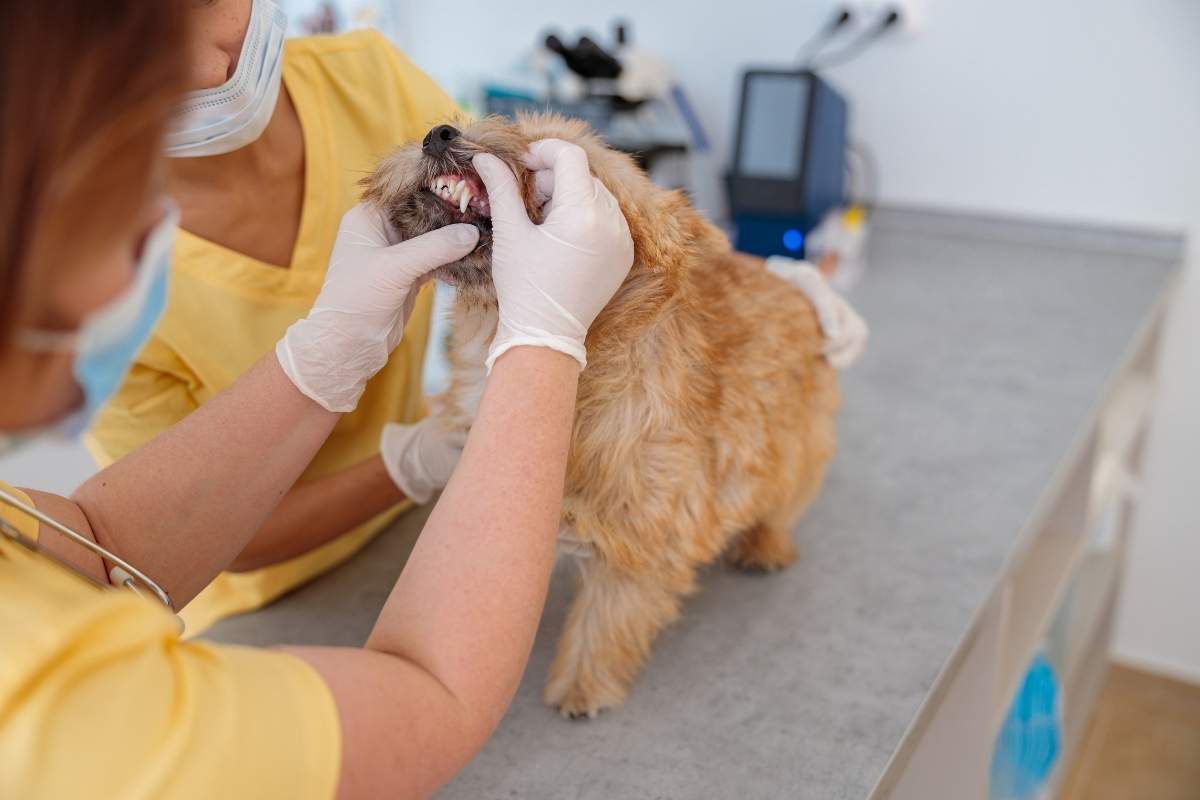
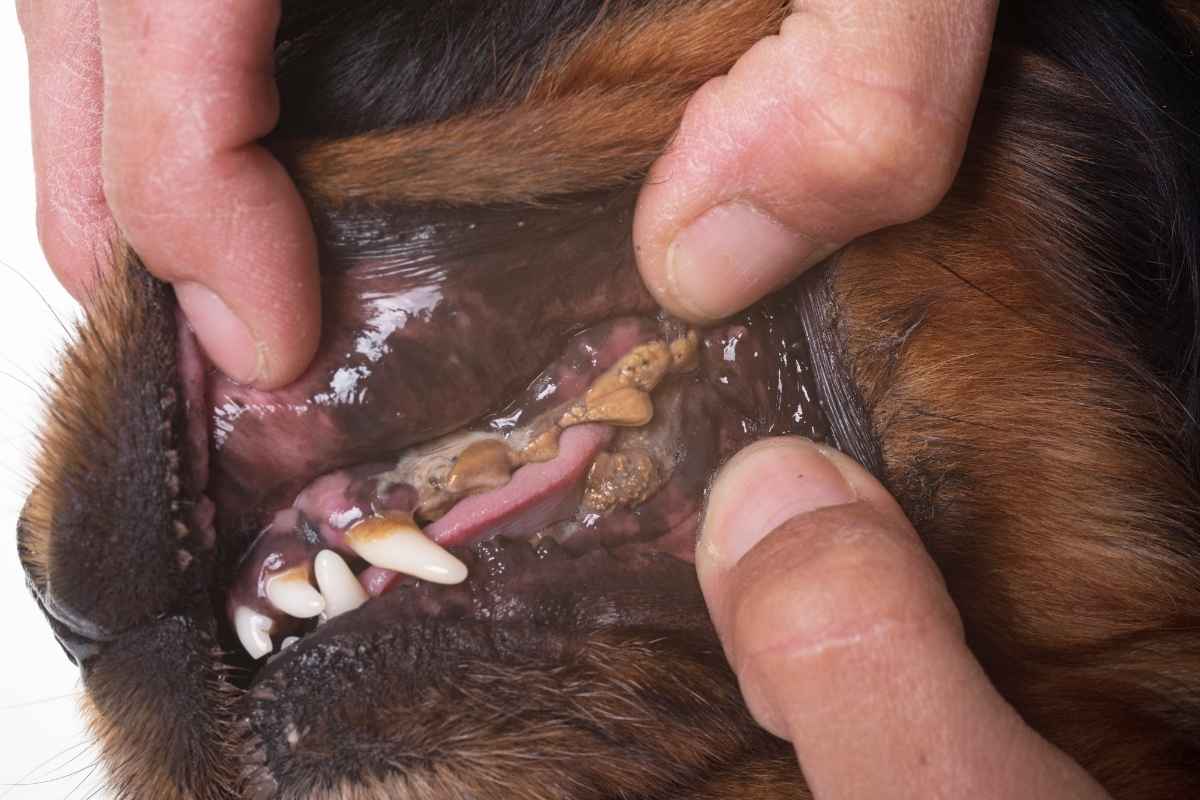
Rescue cats may arrive with unknown medical histories. Some may have existing tartar, gum inflammation, fractured teeth, or other oral conditions that require professional treatment.
Watch for signs such as:
- Persistent bad breath
- Red or swollen gums
- Excessive drooling
- Difficulty chewing
- Dropping food
- Pawing at the mouth
- Reduced appetite
- Loose or damaged teeth
- Reluctance to have the face touched
Home brushing helps control plaque, but it cannot remove established tartar or treat dental disease below the gumline. A veterinarian can evaluate your cat’s mouth and determine whether professional dental care should come before home brushing.
Give Your Rescue Cat Time to Adjust
A new environment can be overwhelming for a rescue cat. Unfamiliar sounds, people, smells, and routines may make the cat cautious or fearful.
Therefore, do not introduce a toothbrush immediately after adoption. First, allow your cat to establish a sense of security.
Create a predictable routine for meals, play, rest, and interaction. Once your cat approaches you comfortably and accepts gentle facial contact, you can begin introducing dental care.
How to Introduce Tooth Brushing Step by Step
1. Start With Gentle Face Handling
When your cat is calm, gently touch the cheeks and chin for a few seconds. Reward relaxed behavior with praise or a suitable treat.
Repeat this regularly until your cat becomes comfortable with the interaction.
2. Introduce Cat-Safe Toothpaste
Choose toothpaste specifically formulated for cats. Never use human toothpaste because cats swallow toothpaste rather than rinsing it away, and some human toothpaste ingredients may be unsafe.
Place a small amount of cat toothpaste on your finger and allow your cat to smell or taste it.
3. Try Finger Brushing
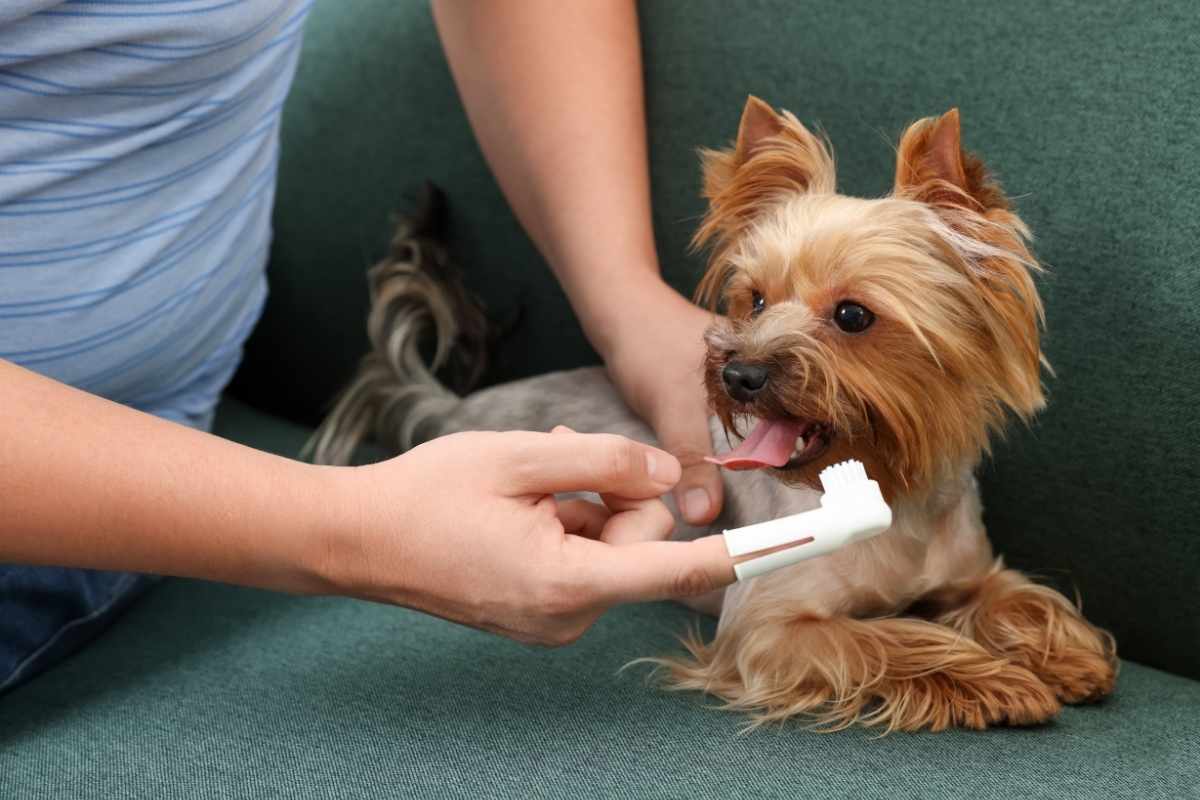
Once your cat accepts the toothpaste, gently rub a finger along the outside surfaces of the teeth and gums.
Keep the first attempts very short. The goal is to build familiarity rather than complete a long brushing session.
4. Introduce a Soft Toothbrush
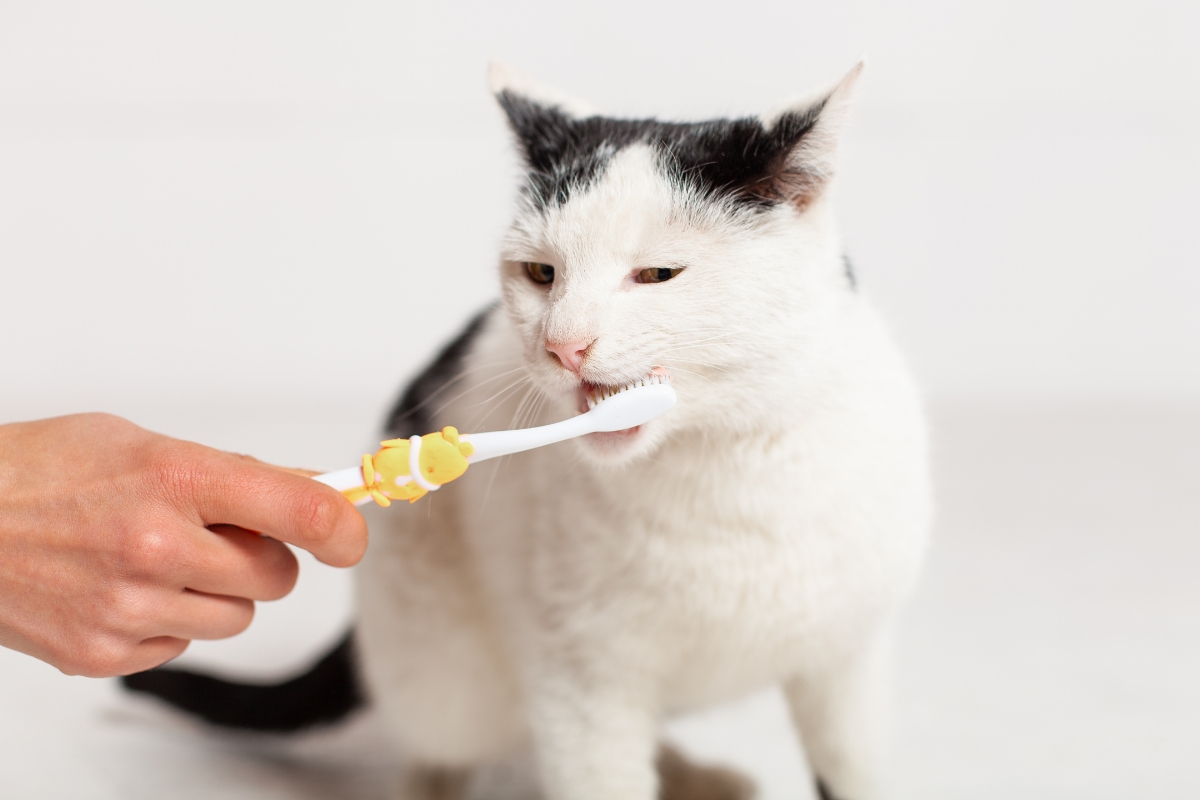
After your cat accepts finger brushing, introduce a soft-bristled toothbrush designed for cats.
Focus mainly on the outer surfaces of the teeth. Use gentle movements and avoid forcing the mouth open.
5. Gradually Build a Routine
As your cat becomes more comfortable, gradually increase brushing time and frequency. Daily brushing is generally ideal for plaque control, but a consistent routine is more useful than forcing a stressful session.
If your cat becomes frightened, stop and try again later.
What If Your Rescue Cat Refuses Tooth Brushing?
Some cats may never become comfortable with a toothbrush. If your cat strongly resists, do not force the process.
Instead, speak with your veterinarian about alternative dental products. Depending on your cat’s individual needs, options may include dental diets, treats, wipes, gels, or water additives specifically designed for cats.
These products can support oral hygiene, but they should not replace professional treatment when dental disease is already present.
Signs Your Cat May Have Dental Problems
Cats often hide oral discomfort, so changes in everyday behavior deserve attention.
Contact your veterinary team if you notice:
- Persistent foul-smelling breath
- Bleeding or inflamed gums
- Facial swelling
- Increased drooling
- Difficulty eating
- Sudden food refusal
- Chewing on one side of the mouth
- Reduced grooming
- Increased irritability
- Sensitivity around the face
A cat does not need to stop eating before dental disease becomes significant. Subtle changes can be worth discussing with a veterinarian.
How Often Should Your Cat Have Dental Examinations?
The appropriate schedule depends on your cat’s age, dental history, health, and individual risk factors.
Routine wellness examinations allow your veterinarian to monitor changes in the teeth and gums. If dental disease is suspected, additional evaluation or professional cleaning may be recommended.
Dental X-rays can also help identify problems beneath the gumline that are not visible during a basic oral examination.
Making Tooth Brushing Less Stressful
Patience is one of the most important parts of establishing a dental routine with a rescue cat.
Choose a quiet time when your cat is relaxed. Keep supplies nearby and maintain a predictable process. Reward cooperation and stop before your cat becomes overwhelmed.
Never punish, chase, or forcibly restrain your cat simply to complete a brushing session. A calm approach can help protect the trust you have built since adoption.
For pet owners seeking guidance on their cat’s oral health, Toro Park Animal Hospital can help assess dental concerns and discuss appropriate preventive care.
The best time to start brushing a rescue cat’s teeth is after the cat has settled into the home and feels comfortable with gentle handling. Begin slowly, use cat-safe dental products, and build positive associations with each step.
A professional dental examination is particularly valuable when a cat’s previous health history is unknown. Early attention can help identify existing problems and establish an appropriate long-term oral health plan.
Schedule your appointment with Toro Park Animal Hospital to discuss your rescue cat’s dental health and create a preventive care routine that fits their individual needs.
Frequently Asked Questions
Q1. How soon after adoption can I brush my rescue cat’s teeth?
Ans: Wait until your cat feels comfortable in the new environment and accepts gentle handling around the face. The timing varies between individual cats. If dental problems are suspected, arrange a veterinary examination first.
Q2. Should I brush my cat’s teeth if they already have tartar?
Ans: Brushing can help control plaque but does not effectively remove established tartar. A veterinarian should examine the mouth and determine whether professional dental treatment is needed.
Q3. Can I use regular human toothpaste for my cat?
Ans: No. Use toothpaste made specifically for cats. Human toothpaste can contain ingredients that may be unsafe when swallowed.
Q4. How often should I brush my cat’s teeth?
Ans: Daily brushing is generally recommended for plaque control. However, introduce the routine gradually and prioritize your cat’s comfort.
Q5. Is bad breath normal for rescue cats?
Ans: Persistent bad breath is not considered normal and can indicate dental disease or another health concern. Arrange a veterinary examination if the odor continues.
Q6. What should I do if my cat refuses a toothbrush?
Ans: Do not force brushing. Work gradually on handling tolerance and ask your veterinarian about alternative dental products that may support oral hygiene.