Same Day Appointments Available


Warning Signs Your Dog May Have a Tooth Infection: What Every Pet Owner Should Know
Dental health is a critical yet often overlooked aspect of your dog’s overall well-being. While bad breath might seem like a minor issue, it can sometimes signal a deeper problem—such as a tooth infection. At Toro Park Animal Hospital, veterinary professionals frequently see cases where early signs of dental infections go unnoticed until they become painful and more complex to treat.
Understanding the warning signs of a tooth infection can help you take timely action and protect your dog’s health.
What Is a Tooth Infection in Dogs?
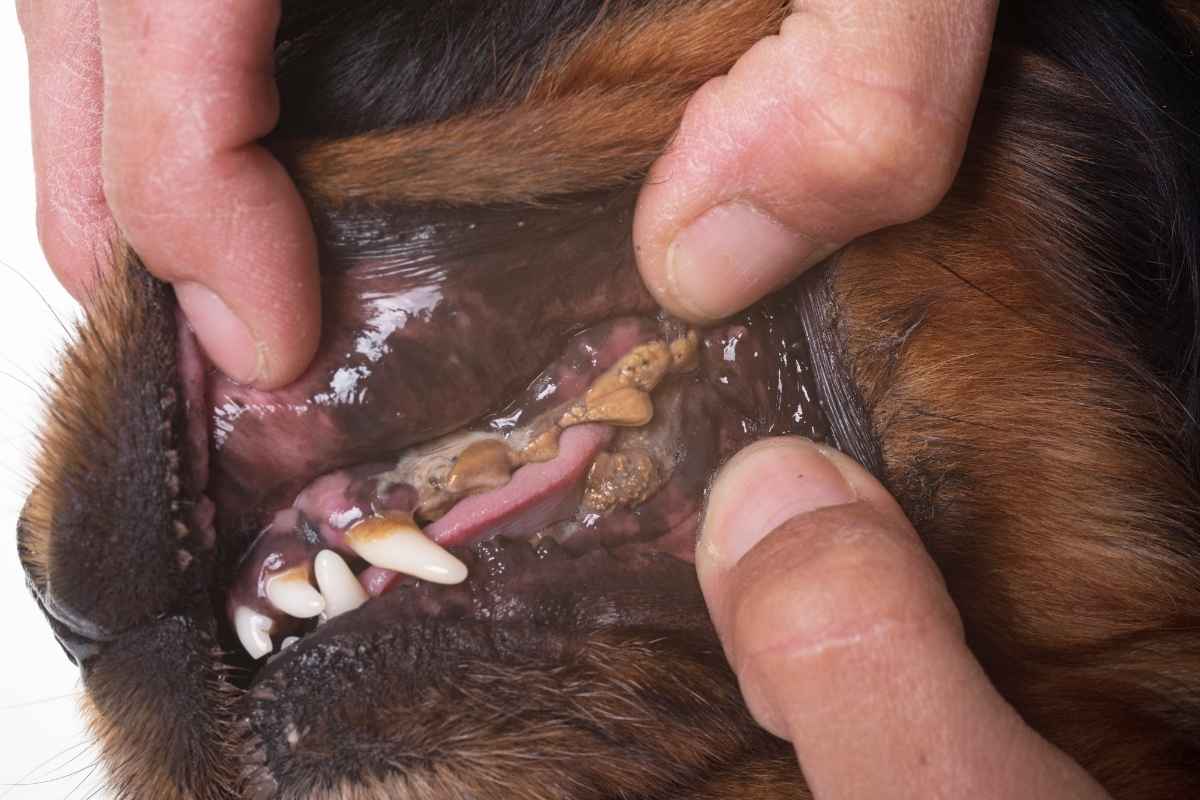
A tooth infection, also known as a tooth abscess, occurs when bacteria enter the inner structures of a tooth—often due to untreated plaque buildup, gum disease, or trauma. Once inside, the infection can spread to surrounding tissues and even affect other parts of the body if left untreated.
This is why consistent Pet dental care plays such a vital role in preventing serious complications.
Common Signs Your Dog May Have a Tooth Infection
Recognizing the symptoms early can make a significant difference in your dog’s comfort and recovery. Here are the most common warning signs to watch for:
1. Persistent Bad Breath
While mild odor can be normal, strong, foul-smelling breath is often one of the first indicators of infection. This is caused by bacteria accumulating in the mouth.
2. Swelling Around the Face or Jaw
Facial swelling, especially near the cheeks or under the eyes, may indicate an abscessed tooth. This is a sign that the infection has spread beyond the tooth itself.
3. Difficulty Eating or Chewing
Dogs with dental pain may avoid hard food, chew on one side, or lose interest in eating altogether. You might also notice food dropping from their mouth.
4. Red or Bleeding Gums
Inflamed, swollen, or bleeding gums are common signs of advanced dental issues and may accompany a tooth infection.
5. Excessive Drooling
An infected tooth can cause discomfort that leads to increased drooling, sometimes accompanied by blood or pus.
6. Behavioral Changes
Pain can make dogs irritable, withdrawn, or less active. If your usually playful dog seems unusually quiet, dental discomfort could be the cause.
What Causes Tooth Infections in Dogs?
Several factors can contribute to dental infections in dogs:
- Plaque and tartar buildup
- Untreated gum disease (periodontal disease)
- Broken or fractured teeth
- Poor oral hygiene
- Age-related dental wear
Without proper pet dental care, these issues can progress quickly and lead to infections that require professional treatment.
Why Early Detection Is Important
A tooth infection is not just a localized problem—it can have serious consequences if ignored. Bacteria from the infection can enter the bloodstream and potentially affect vital organs such as the heart, liver, and kidneys.
Early detection allows for:
- Less invasive treatment
- Reduced pain and discomfort
- Lower risk of complications
- Better long-term health outcomes
Being proactive about your dog’s dental health can prevent unnecessary suffering and costly procedures.
How Veterinarians Diagnose and Treat Tooth Infections
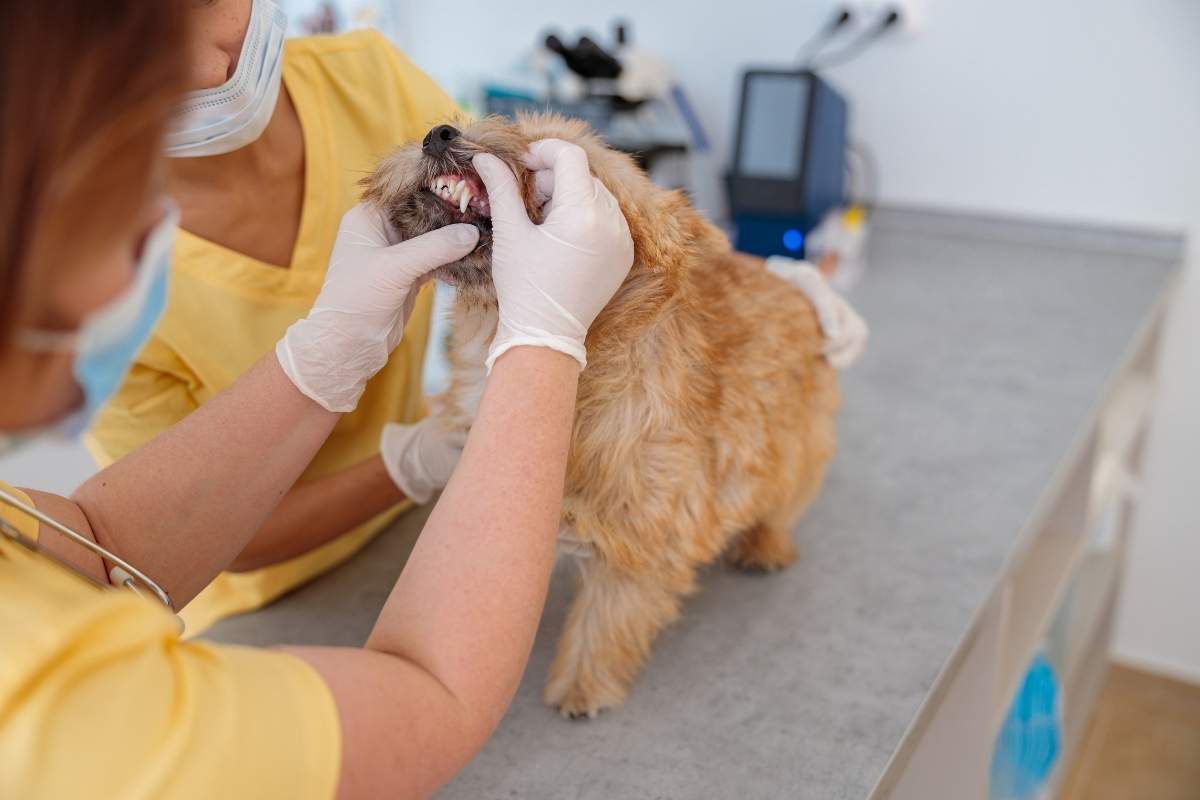
If you suspect your dog has a tooth infection, a veterinary exam is essential. Diagnosis typically involves:
- A physical oral examination
- Dental X-rays to assess underlying damage
- Evaluation of gum health and tooth stability
Treatment options may include:
- Professional dental cleaning
- Antibiotics to control infection
- Tooth extraction in severe cases
- Pain management to improve comfort
Each treatment plan is tailored to the severity of the infection and your dog’s overall health.
Preventing Tooth Infections in Dogs
Prevention is always better than treatment. Establishing a consistent dental care routine can significantly reduce the risk of infections.
Key preventive measures include:
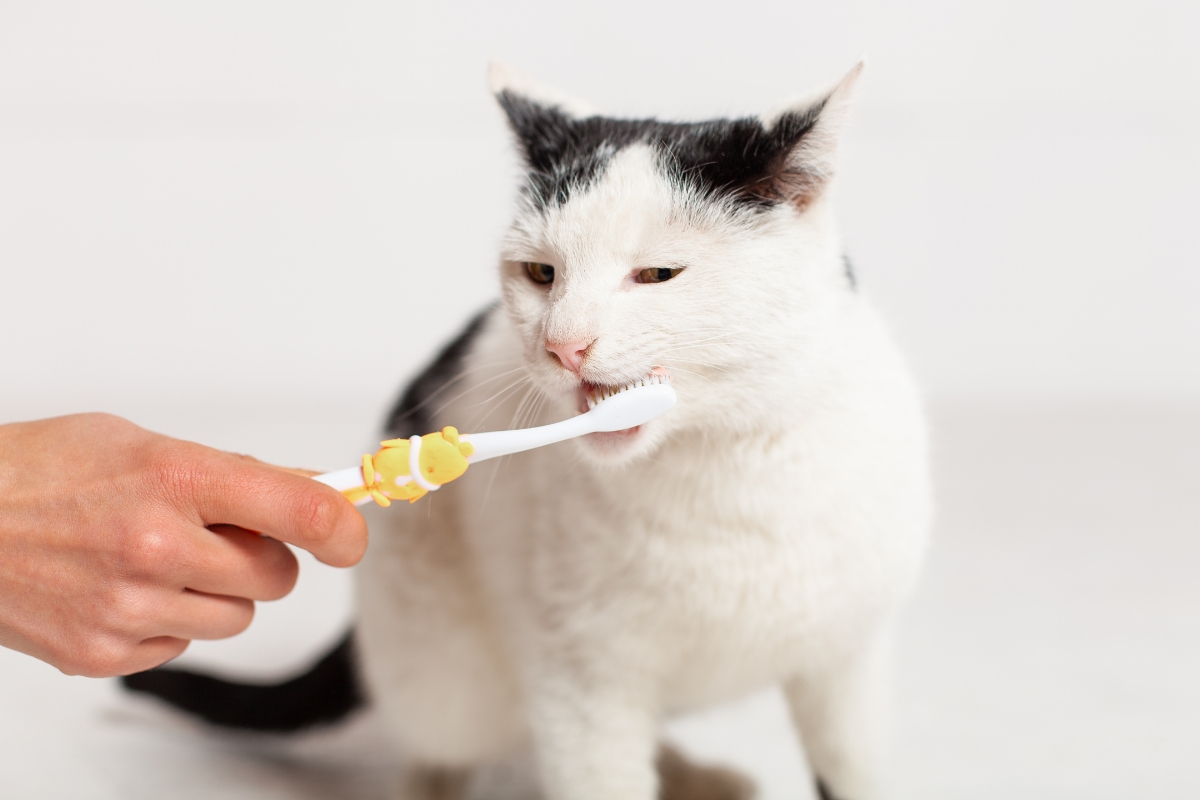
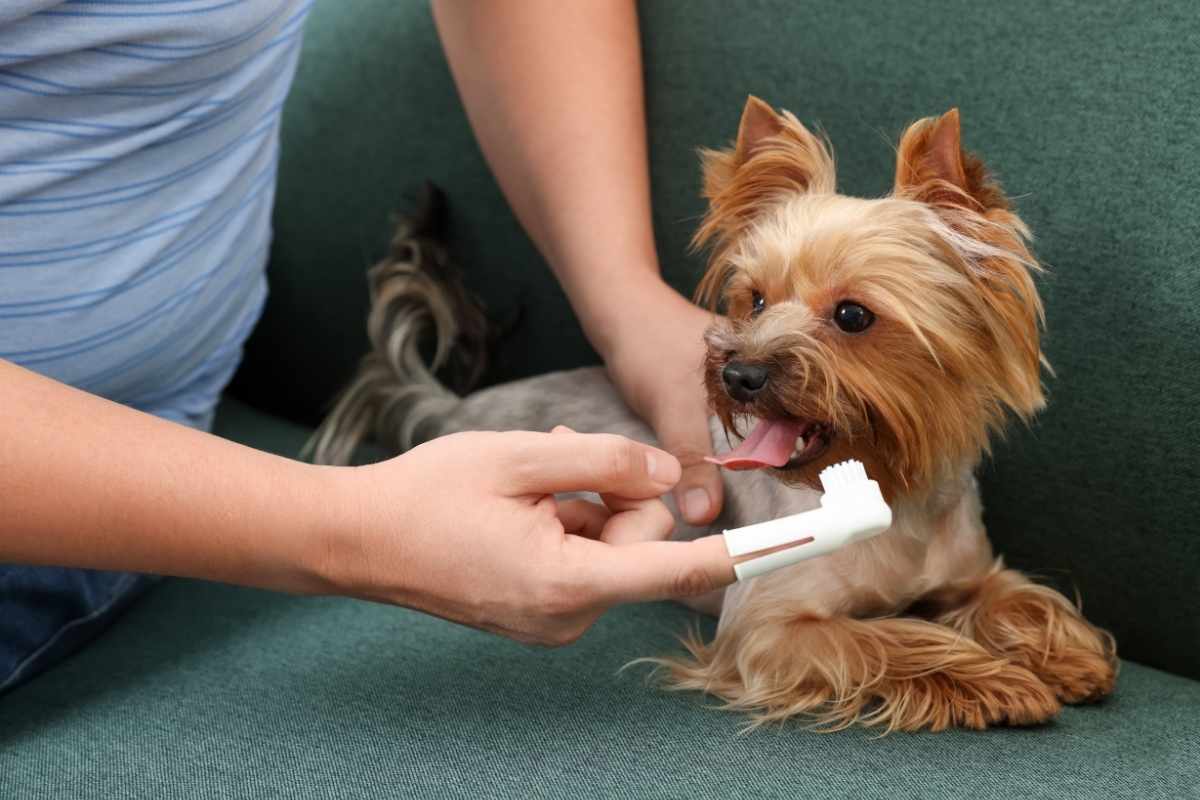
- Brushing your dog’s teeth regularly
- Providing dental chews or toys
- Scheduling routine veterinary dental checkups
- Feeding a balanced diet that supports oral health
These habits form the foundation of effective dental care and help keep your dog’s mouth healthy.
Common Questions Pet Owners Ask
Dog owners often have concerns when it comes to dental health, including:
- How can I tell if my dog’s bad breath is serious?
- What should I do if my dog refuses to eat?
- Are certain breeds more prone to dental infections?
- How often should I brush my dog’s teeth?
- When should I seek veterinary care for dental issues?
- Can dental infections heal on their own?
Understanding these concerns can help you make informed decisions about your pet’s health.
When to See a Veterinarian
If you notice any signs of a tooth infection, it’s important not to delay care. Dental issues can worsen quickly and become more painful over time.
For expert evaluation and guidance, you can book an appointment with Toro Park Animal Hospital to ensure your dog receives timely and appropriate treatment.
Tooth infections in dogs are more common than many pet owners realize, but they are also highly preventable with proper care and attention. Recognizing early warning signs—such as bad breath, swelling, or changes in eating habits – can make all the difference in your dog’s health and comfort.
By prioritizing dental hygiene and routine veterinary visits, you can help your dog avoid unnecessary pain and maintain a healthy, happy life. While these tips apply to pet owners everywhere, those in Salinas, CA and nearby communities also have access to trusted veterinary care when needed.
FAQs
Q1. How do I know if my dog has a tooth infection?
Ans. Common signs include bad breath, swelling, difficulty eating, and bleeding gums.
Q2. Can a dog’s tooth infection heal on its own?
Ans. No, dental infections require veterinary treatment to prevent complications.
Q3. Is bad breath always a sign of infection?
Ans. Not always, but a persistent foul odor often indicates an underlying dental issue.
Q4. How can I prevent tooth infections in my dog?
Ans. Regular brushing, dental chews, and routine vet visits are key preventive steps.
Q5. Are tooth infections painful for dogs?
Ans. Yes, they can cause significant discomfort and affect eating and behavior.
Q6. How often should my dog have dental checkups?
Ans. Most dogs should have dental exams at least once a year, or more frequently if needed.