Same Day Appointments Available


How Often Should You Brush Your Dog’s Teeth?
Many pet owners focus on food, exercise, and grooming. However, dental health often gets overlooked. Just like people, dogs develop plaque, tartar, and gum disease. If you don’t brush your dog’s teeth regularly, bacteria can damage the gums, teeth, and even internal organs.
A clean mouth helps your dog eat comfortably, play happily, and stay active longer. Therefore, understanding the right brushing routine is essential. This guide explains how frequently to brush, why it matters, and how to do it safely. This information is especially helpful for pet families in Salinas, CA.
Why Brushing Matters More Than You Think
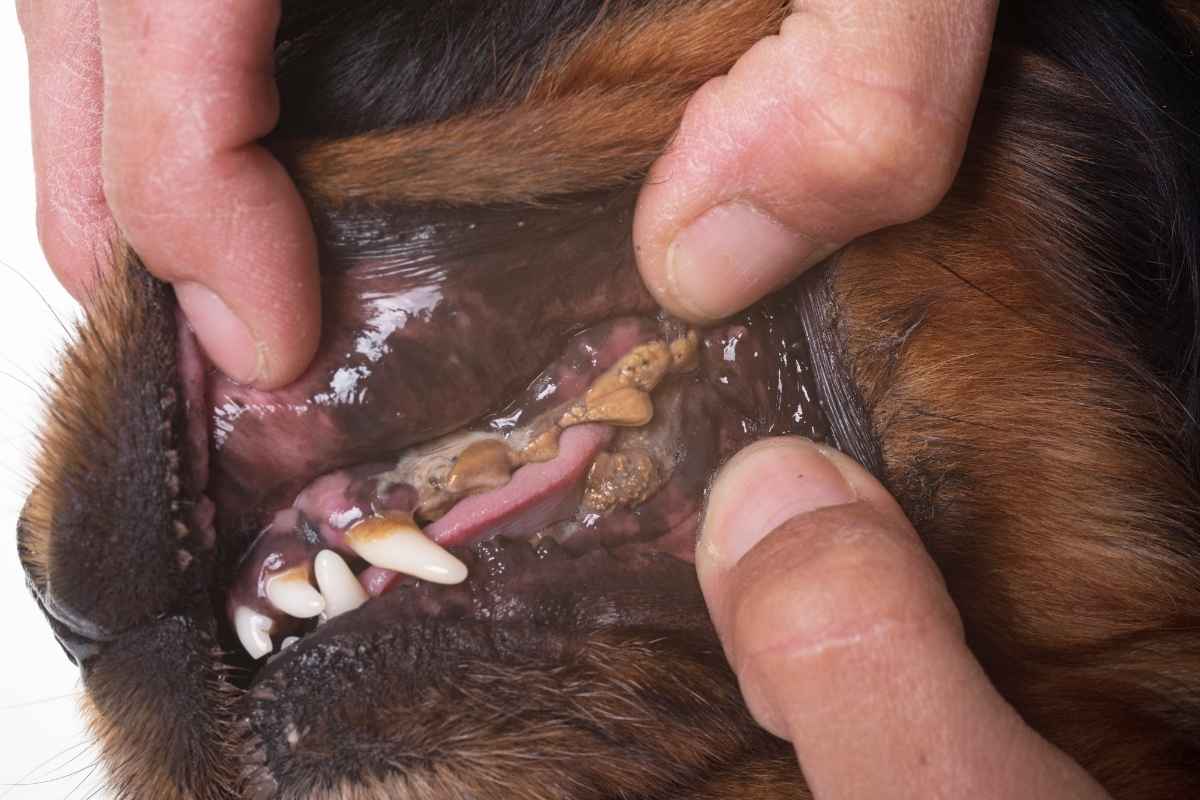
Inside your dog’s mouth, bacteria constantly build up on the tooth surface. Within 24 hours, plaque forms along the gum line. Soon after, plaque hardens into tartar. Once tartar appears, it irritates the gums and causes inflammation.
Dental disease does not stay in the mouth. In fact, bacteria can travel through the bloodstream and affect the heart, liver, and kidneys. As a result, a simple dental issue may become a serious medical condition.
Common warning signs include:
- Bad breath
- Red or bleeding gums
- Yellow or brown buildup on teeth
- Drooling
- Pawing at the mouth
- Difficulty chewing
Because dogs rarely show obvious pain, many owners don’t notice problems until they become advanced.
So, How Often Should You Brush Your Dog’s Teeth?
Ideally, you should brush your dog’s teeth every day.
Daily brushing removes plaque before it turns into tartar. However, if daily care feels overwhelming at first, aim for at least three to four times per week. Consistency matters more than perfection.
Skipping long periods allows bacteria to grow along the gum edge and under the gum tissue. That area is especially sensitive because it contains nerves and blood vessels connected to the jawbone.
What Happens If You Don’t Brush Regularly?
Without brushing, periodontal disease develops. This condition affects:
- Gums
- Tooth roots
- Jawbone
- Supporting ligaments
Over time, teeth loosen and may fall out. Meanwhile, infection can enter the bloodstream. Dogs may also stop chewing on one side of the mouth due to pain.
Small breeds are especially at risk because their teeth sit closer together, trapping food debris.
How to Brush Your Dog’s Teeth (Step-by-Step)
Many owners feel nervous about brushing. Fortunately, dogs can learn quickly with patience.
Step 1: Choose the Right Tools
Use:
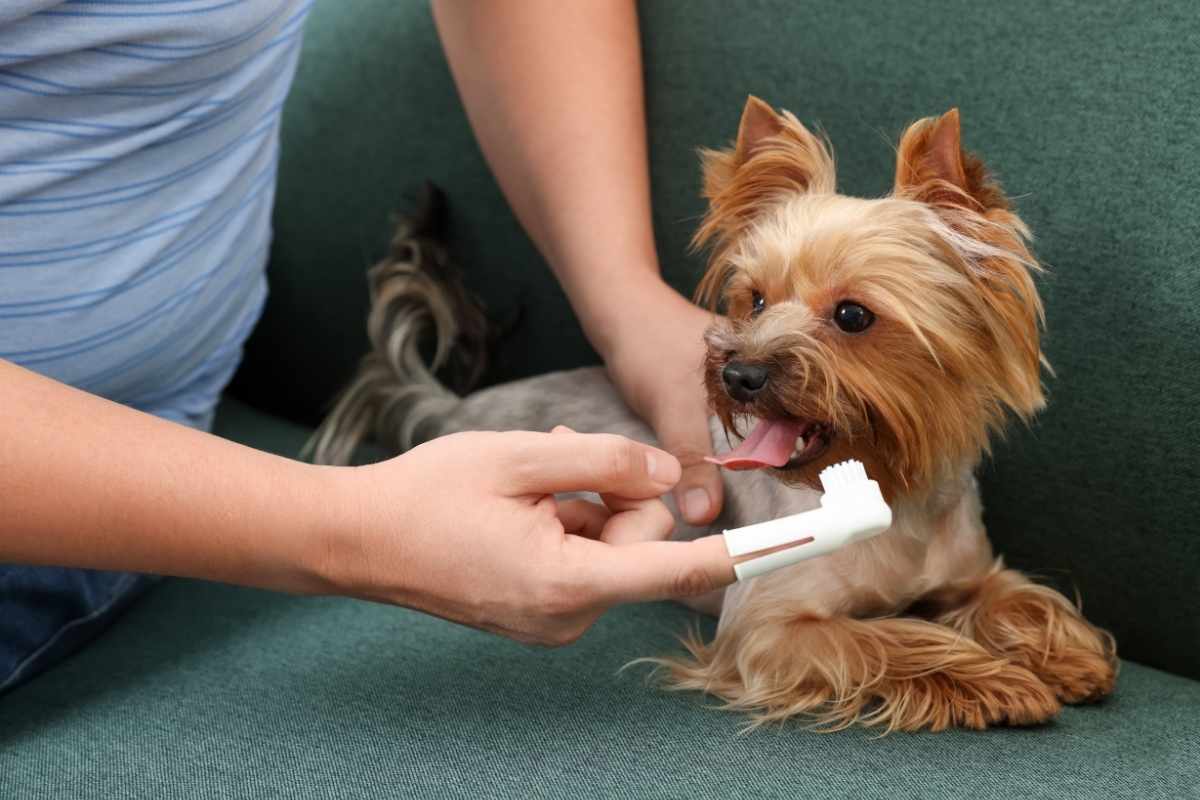
- A dog toothbrush or finger brush
- Dog-safe toothpaste (never human toothpaste)
Human toothpaste contains fluoride and xylitol, which can upset the stomach and harm the liver.
Step 2: Start Slowly
First, let your dog taste the toothpaste. Then gently lift the lip and touch the teeth. Focus on comfort, not speed.
Step 3: Angle the Brush
Place the brush at a 45-degree angle toward the gum line. This removes bacteria where disease begins.
Step 4: Use Gentle Circles
Brush the outer surfaces of teeth. Pay special attention to the back molars because food often sticks there.
Step 5: Keep Sessions Short
Two minutes is enough. Praise your dog afterward so the experience feels positive.
Helpful Tips for Success
- Brush after exercise when your dog feels calm
- Use flavored toothpaste to encourage acceptance
- Create a routine (same time every day)
- Reward with praise, not sugary treats
Gradually, your dog will relax and cooperate.
Can Dental Chews Replace Brushing?
Dental chews help, but they cannot replace brushing.
Chewing reduces some plaque on the tooth surface. However, it cannot clean along the gum line where bacteria cause infection. Therefore, brushing remains the most effective prevention.
Water additives, wipes, and toys may support oral health, yet they work best when combined with regular brushing.
When Professional Cleaning Is Needed
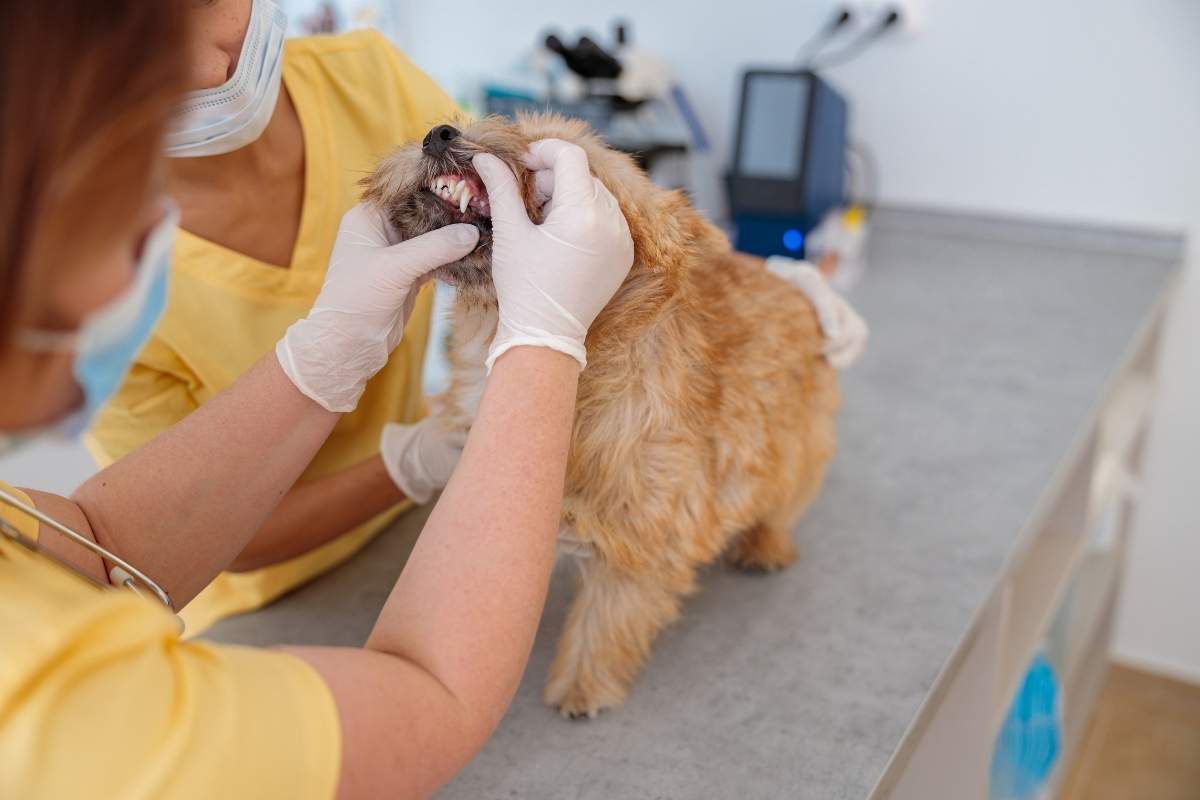
Even with good home care, dogs sometimes require a professional dental cleaning. During this procedure, the veterinarian removes tartar above and below the gums and checks each tooth.
This is an important part of veterinary dental care because it allows early detection of:
- Fractured teeth
- Abscesses
- Gum recession
- Oral tumors
Your veterinarian may also take dental X-rays to examine the tooth roots hidden below the gum tissue.
Signs Your Dog Needs a Dental Exam Soon
Contact a veterinarian if you notice:
- Persistent bad breath
- Bleeding from the mouth
- Swelling around the cheeks or jaw
- Dropping food
- Sudden irritability
These signs often indicate pain. Treating dental disease early protects the mouth and overall health.
Dental Care at Different Life Stages
Puppies
Start brushing early. Young dogs adapt quickly and accept handling of the mouth, lips, and gums.
Adult Dogs
Maintain a consistent routine to prevent tartar buildup.
Senior Dogs
Older dogs need more monitoring because weakened teeth and gum tissue become sensitive. Regular exams and veterinary dental care help prevent tooth loss and infection.
Brushing is one of the simplest ways to protect your dog’s health. By keeping the teeth and gums clean, you prevent infection, reduce pain, and support long-term wellness. A few minutes each day can add years of comfort to your dog’s life.
If you are in Salinas, CA, and looking for a veterinary hospital near you, the team at Toro Park Animal Hospital is ready to help. Contact us today to arrange a visit so your dog can receive personalized dental guidance, preventive exams, and compassionate care for a healthier smile.
FAQs
Q1. Can I use baking soda or human toothpaste?
Ans. No. Human toothpaste may harm your dog’s stomach and liver.
Q2. My dog resists brushing. What should I do?
Ans. Start with short sessions and gradually increase time. Patience works best.
Q3. Is bad breath normal in dogs?
Ans. No. Persistent odor often signals gum infection.
Q4. How long does it take plaque to form?
Ans. Plaque forms within 24 hours after eating.
Q5. Are small dogs more prone to dental disease?
Ans. Yes. Crowded teeth trap bacteria more easily.
Q6. Do hard kibble diets clean teeth?
Ans. Not effectively. Food still sticks around the gums.