Same Day Appointments Available


My Dog Has Diarrhea – What Can I Give at Home?
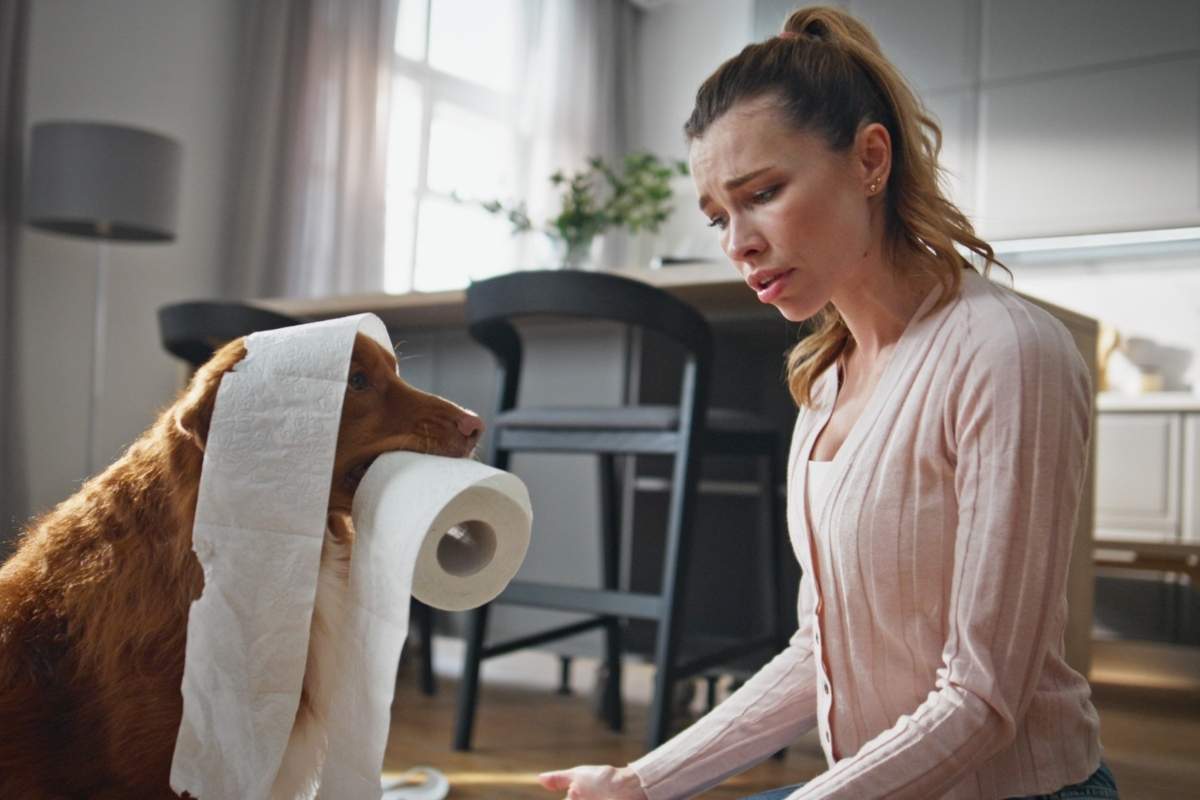
Few things worry dog owners faster than digestive problems. One day, your dog is energetic and playful, and the next, you are cleaning messes around the house or yard. When your dog has diarrhea, it usually means the stomach or intestines are irritated and are moving food too quickly through the body.
Although diarrhea is common, it should never be ignored. Sometimes it is mild and temporary. However, it can also signal infection, parasites, dietary intolerance, or illness affecting organs such as the stomach, intestines, liver, or pancreas. This guide explains what you can safely do at home, what warning signs to watch for, and when professional care becomes necessary. For pet owners in Salinas, CA, knowing how to respond quickly can prevent dehydration and serious complications.
Why Dogs Get Diarrhea
A dog’s digestive tract is sensitive. Even small changes can upset the stomach and bowels.
Common Causes
- Eating spoiled food or garbage
- Sudden diet changes
- Food allergies or intolerance
- Parasites
- Bacterial infection
- Stress or anxiety
- Medication reactions
Because the intestines move waste faster during irritation, the body cannot absorb water properly. As a result, stools become loose or watery.
First Step: Check Your Dog’s Condition
Before treating at home, observe your dog carefully. Look at the whole body, not just the stool.
Pay attention to:
- Energy level
- Appetite
- Drinking habits
- Gum moisture
- Vomiting
If your dog remains alert, drinks water, and acts fairly normal, mild home care may help. However, weakness or vomiting suggests a more serious problem.
What You Can Safely Give at Home
When your dog has diarrhea but still feels relatively well, you can try supportive care.
1. Short Food Break
First, allow the stomach to rest. Withhold food for 12 hours (adult dogs only). Always provide fresh water. This pause helps calm irritated intestines.
Important: Puppies should not fast for long because their blood sugar drops quickly.
2. Provide Plenty of Water
Diarrhea removes fluids from the body. Therefore, hydration is critical. Offer clean water frequently.
You can also provide:
- Ice cubes to lick
- Small, frequent drinks
Watch the gums. Healthy gums should feel moist, not sticky.
3. Feed a Bland Diet
After the rest period, introduce gentle foods that are easy on the stomach and intestines.
Recommended options:
- Boiled plain chicken (skinless)
- White rice
- Plain cooked pumpkin (no sugar or spice)
Feed small portions every few hours. This supports digestion without overloading the stomach.
4. Pumpkin for Digestive Support
Plain canned pumpkin contains fiber that absorbs extra water in the colon. It also supports healthy bowel movement.
Start with:
- Small dogs: 1–2 teaspoons
- Large dogs: 1–2 tablespoons
5. Probiotics
Probiotics restore beneficial bacteria inside the intestines. They help balance the digestive system and improve stool consistency.
Pet-specific products are safest because they are designed for canine digestion.
What NOT to Give
Many owners reach for human medications. However, some can harm your pet.
Avoid:
- Anti-diarrhea drugs for people
- Pain relievers
- Fatty foods
- Dairy products
Certain medications may damage the liver or kidneys. Always consult professionals before giving drugs.
Warning Signs You Should Not Ignore
Home care is appropriate only for mild cases. Contact veterinarians immediately if you see:
- Blood in stool
- Black or tar-like feces
- Vomiting
- Fever
- Severe lethargy
- Refusal to drink
- Abdominal swelling
Additionally, diarrhea lasting more than 48 hours requires evaluation.
Special Risk Groups
Some dogs need faster medical attention.
Puppies
Young dogs dehydrate quickly and are vulnerable to infections such as parvovirus.
Senior Dogs
Older pets may have underlying organ disease affecting digestion.
Dogs With Medical Conditions
Pets with diabetes, kidney disease, or immune problems need prompt care.
Preventing Future Episodes
You can reduce digestive problems with simple habits.
- Change food gradually over 7–10 days
- Keep trash secured
- Provide parasite prevention
- Avoid feeding table scraps
- Maintain regular feeding schedules
Healthy routines protect the stomach and intestines.
When a Vet Visit Is Necessary
Sometimes diarrhea signals a deeper issue. A veterinarian may perform:
- Stool tests
- Blood work
- Imaging
- Diet trials
These tests identify parasites, infection, inflammation, or organ disease.
Digestive upset is common, but prompt action helps prevent complications. When your dog has diarrhea, simple home care such as hydration, bland food, and monitoring often helps mild cases. However, persistent symptoms or concerning signs require professional care to protect your pet’s health.
If you are in Salinas, CA, and looking for a veterinarian near you, the caring team at Toro Park Animal Hospital is here to help. Book an appointment today so your dog can receive proper diagnosis, treatment, and supportive care to feel better quickly.
FAQs
Q1. How long is too long for diarrhea?
Ans. More than 48 hours requires medical evaluation.
Q2. Can stress cause diarrhea?
Ans. Yes. Anxiety, travel, or boarding can upset the digestive tract.
Q3. Is chicken and rice safe?
Ans. Yes. It is a gentle, temporary diet during recovery.
Q4. Should I stop water intake?
Ans. No. Hydration is essential and should always be available.
Q5. Is pumpkin helpful?
Ans. Yes. Fiber in pumpkin helps normalize stool.
Q6. Can worms cause diarrhea?
Ans. Yes. Intestinal parasites commonly lead to loose stool.