Same Day Appointments Available


Dog Vomiting: Home Care vs When It’s an Emergency
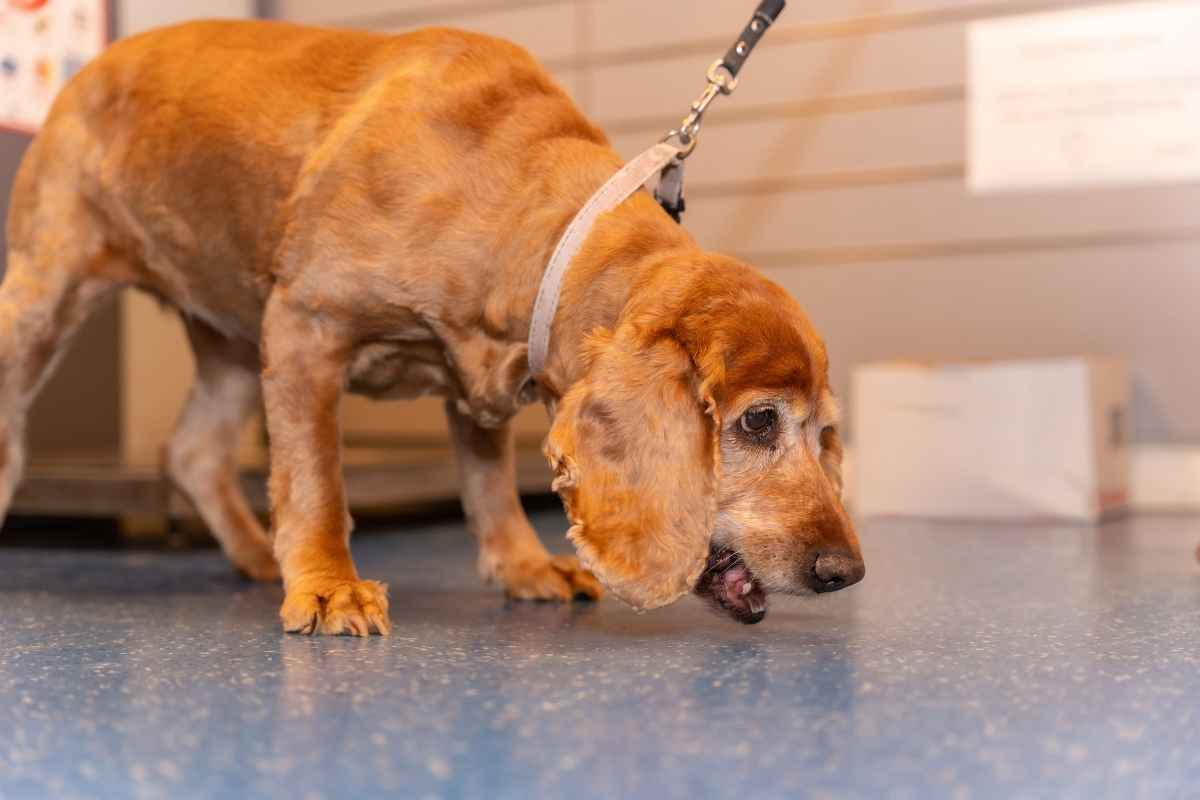
Seeing your dog vomit can be alarming. One moment, your pet seems normal, and the next, your carpet needs cleaning, and your dog looks uncomfortable. While occasional vomiting may be mild, it can also signal serious illness affecting the stomach, intestines, liver, or pancreas.
The challenge for many pet owners is knowing the difference between a minor upset stomach and a true emergency. Therefore, understanding symptoms, timing, and behavior changes becomes essential. This guide explains what causes vomiting, what you can safely do at home, and when immediate care is necessary. This article is especially helpful for pet owners in Salinas, CA, who want to respond quickly and confidently.
Why Dogs Vomit
Vomiting happens when the stomach forcefully pushes its contents back up through the throat and mouth. The body uses this reflex to remove irritants or toxins.
However, not all vomiting has the same cause.
Common Mild Causes
- Eating too fast
- Dietary changes
- Grass consumption
- Motion sickness
- Mild stomach irritation
More Serious Causes
- Intestinal blockage
- Parasites
- Pancreatitis
- Kidney disease
- Liver problems
- Infections
Because vomiting involves the stomach and abdominal organs, repeated episodes quickly affect hydration and energy levels.
Vomiting vs Regurgitation
Many owners confuse vomiting with regurgitation.
Vomiting:
- Abdominal heaving
- Nausea signs (drooling, lip licking)
- Partially digested food
Regurgitation:
- Passive food coming up
- No stomach effort
- Undigested kibble
This difference matters because regurgitation often involves the esophagus, while vomiting usually involves the stomach and intestines.
When Home Care Is Appropriate
If your dog vomits once but still acts normal, you can usually try simple home care.
Step 1: Rest the Stomach
First, remove food for 8–12 hours (adult dogs only). Provide small amounts of water to prevent dehydration.
Step 2: Monitor Behavior
Look for:
- Bright eyes
- Normal walking
- Interest in surroundings
- Moist gums
If these signs remain normal, the stomach may simply be irritated.
Step 3: Offer a Bland Diet
After the rest period, feed small portions of:
- Boiled chicken (no seasoning)
- White rice
Give small meals every 3–4 hours. This helps the stomach and intestines recover.
Helpful Supportive Care
You can also:
- Offer ice cubes instead of large water bowls
- Keep activity low
- Avoid treats and table scraps
Gradually return to regular food over two to three days.
Warning Signs – When It’s an Emergency
Sometimes vomiting indicates a dangerous condition. You should seek immediate veterinary attention if you notice:
- Vomiting more than 3 times in 24 hours
- Blood in vomit
- Coffee-ground material
- Swollen abdomen
- Severe lethargy
- Collapse
- Fever
- Continuous retching
These signs may indicate intestinal obstruction, poisoning, or organ failure.
High-Risk Situations
Certain situations always require urgent evaluation.
Puppies
Young dogs dehydrate quickly and may have parvovirus.
Foreign Object Ingestion
Dogs often swallow socks, toys, or bones. A blockage prevents food from passing through the intestines.
Toxin Exposure
Chocolate, grapes, medications, or household chemicals can damage the liver and nervous system.
A veterinary hospital can perform imaging, blood tests, and supportive therapy to stabilize your dog quickly.
Signs of Dehydration
Repeated vomiting removes fluids from the body.
Watch for:
- Dry gums
- Sunken eyes
- Weakness
- Skin that doesn’t spring back
Dehydration affects circulation and organ function. Immediate treatment may require IV fluids.
Chronic Vomiting
If vomiting occurs weekly or monthly, the cause may be ongoing.
Possible conditions:
- Food allergies
- Inflammatory bowel disease
- Pancreatic disorders
- Hormonal imbalance
A veterinarian may recommend diet trials, imaging, or laboratory testing to identify the underlying issue.
What NOT to Do
Many owners unintentionally worsen symptoms.
Avoid:
- Human anti-nausea medications
- Fatty foods
- Milk
- Forcing food
Human drugs may irritate the stomach lining or harm the liver.
Prevention Tips
You can reduce future vomiting episodes by:
- Feeding consistent meals
- Avoiding sudden diet changes
- Keeping trash secured
- Using parasite prevention
- Preventing access to toxic foods
Routine exams at a veterinary hospital also help detect early health changes before serious symptoms develop.
Dog vomiting can range from minor irritation to a life-threatening emergency. Monitoring your dog’s behavior, hydration, and frequency of symptoms helps you decide the next step. Early action protects the stomach, intestines, and vital organs from complications.
If you are in Salinas, CA, and looking for a veterinarian near you, consider reaching out to Toro Park Animal Hospital. Book an appointment with our team so your dog can receive a thorough evaluation, accurate diagnosis, and compassionate treatment to get back to feeling normal as soon as possible.
FAQs
Q1. Is one vomiting episode serious?
Ans. Usually not, if your dog acts normally afterward.
Q2. Should I give water immediately?
Ans. Offer small amounts frequently, not large bowls.
Q3. Can grass cause vomiting?
Ans. Yes. Dogs sometimes eat grass to soothe stomach discomfort.
Q4. How long should I wait before feeding?
Ans. Wait 8–12 hours for adult dogs.
Q5. What does yellow foam mean?
Ans. It often indicates an empty stomach and bile irritation.
Q6. Can stress cause vomiting?
Ans. Yes. Anxiety and travel can commonly upset the stomach.