Same Day Appointments Available


Signs of Dental Problems in Pets and How to Prevent Them
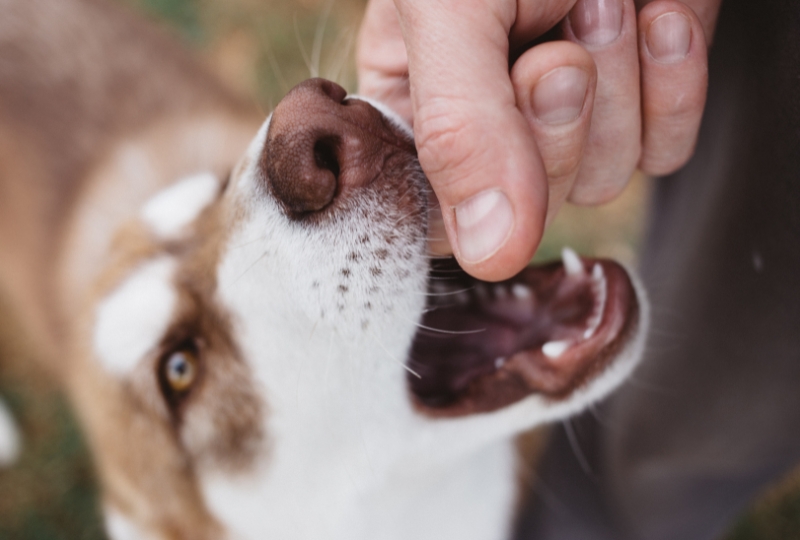
Dental problems in pets often develop quietly, causing discomfort and health issues before owners notice obvious signs. At Toro Park Animal Hospital, we understand how important oral health is to your pet’s overall well-being. Many pet owners in Salinas, CA, are surprised to learn that dental disease is one of the most common conditions affecting dogs and cats. Recognizing early warning signs and taking preventive steps can help protect your pet from pain, infection, and long-term complications.
Just like people, pets can suffer from plaque buildup, gum disease, and tooth decay if their dental health is neglected. Because pets tend to hide discomfort, dental issues may progress unnoticed. Here’s a comprehensive guide to the common signs of dental problems in pets and how you can help prevent them.
1. Persistent Bad Breath
Occasional mild breath odor is normal, but consistently foul-smelling breath is often the first sign of dental disease.
Bad breath is typically caused by bacterial buildup due to plaque and tartar. Over time, this bacteria can lead to gum inflammation, tooth decay, and infection. If your pet’s breath smells unusually strong or unpleasant, it’s a sign that their oral health should be evaluated by a veterinarian.
2. Red, Swollen, or Bleeding Gums
Healthy gums should be firm and pink. Redness, swelling, or bleeding along the gum line often indicates gingivitis or periodontal disease.
Inflamed gums are painful and can worsen without treatment. If left unaddressed, gum disease can lead to tooth loss and infection that may spread to other areas of the body. Routine dental exams allow veterinarians to identify and treat gum disease early.
3. Difficulty Eating or Chewing
Pets with dental pain may chew more slowly, drop food, favor one side of the mouth, or avoid hard food altogether.
Dental discomfort can interfere with proper nutrition and may cause weight loss or behavioral changes. If your pet shows hesitation when eating or changes their eating habits, a dental evaluation is recommended.
4. Pawing at the Mouth or Facial Discomfort
Pets experiencing oral pain may paw at their mouth, rub their face against furniture, or appear unusually irritable.
These behaviors often indicate painful dental conditions such as broken teeth, abscesses, or advanced gum disease. A veterinary exam can help determine the cause and prevent further discomfort.
5. Discolored, Loose, or Missing Teeth
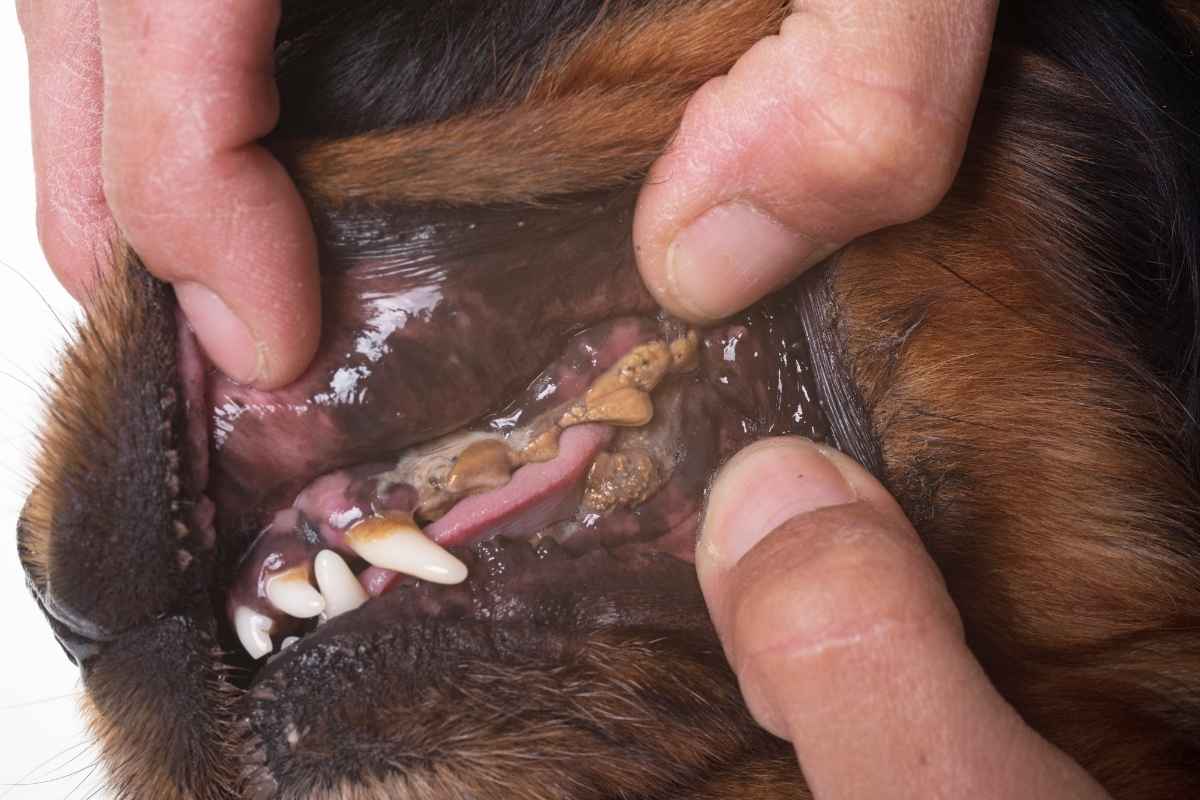
Yellow or brown buildup on teeth, loose teeth, or visible gaps are signs of advanced dental disease.
Loose or damaged teeth can harbor infection and cause chronic pain. Veterinary dental care, including professional cleaning or extractions, may be necessary to restore your pet’s comfort and oral health.
6. Excessive Drooling or Facial Swelling
Increased drooling or swelling around the jaw or face may indicate a dental infection or abscess.
Dental infections can spread quickly and may become serious if not treated promptly. If you notice swelling or sudden changes in drooling, contact your veterinarian right away.
How to Help Prevent Dental Problems in Pets
Preventive dental care plays a vital role in maintaining your pet’s long-term health.
1. Establish a Home Dental Care Routine
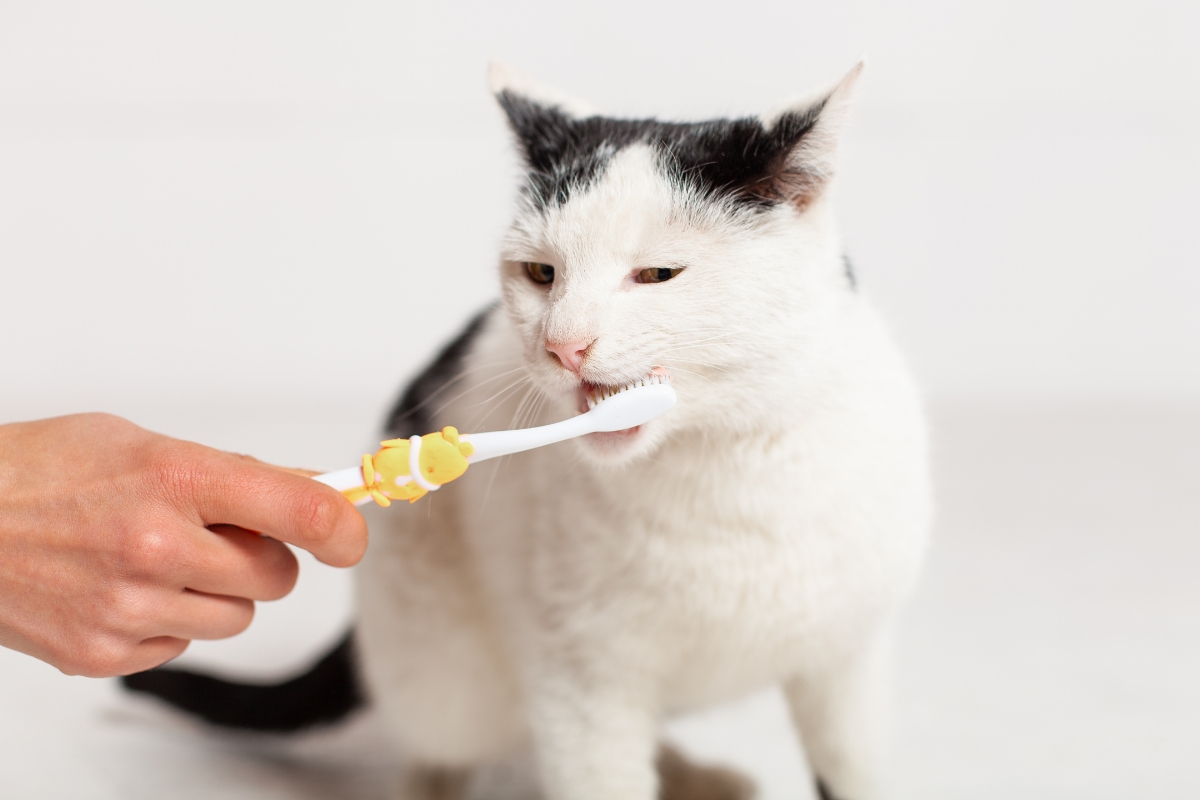
Brushing your pet’s teeth regularly with veterinarian-approved toothpaste helps reduce plaque buildup and supports healthy gums.
2. Schedule Professional Dental Cleanings
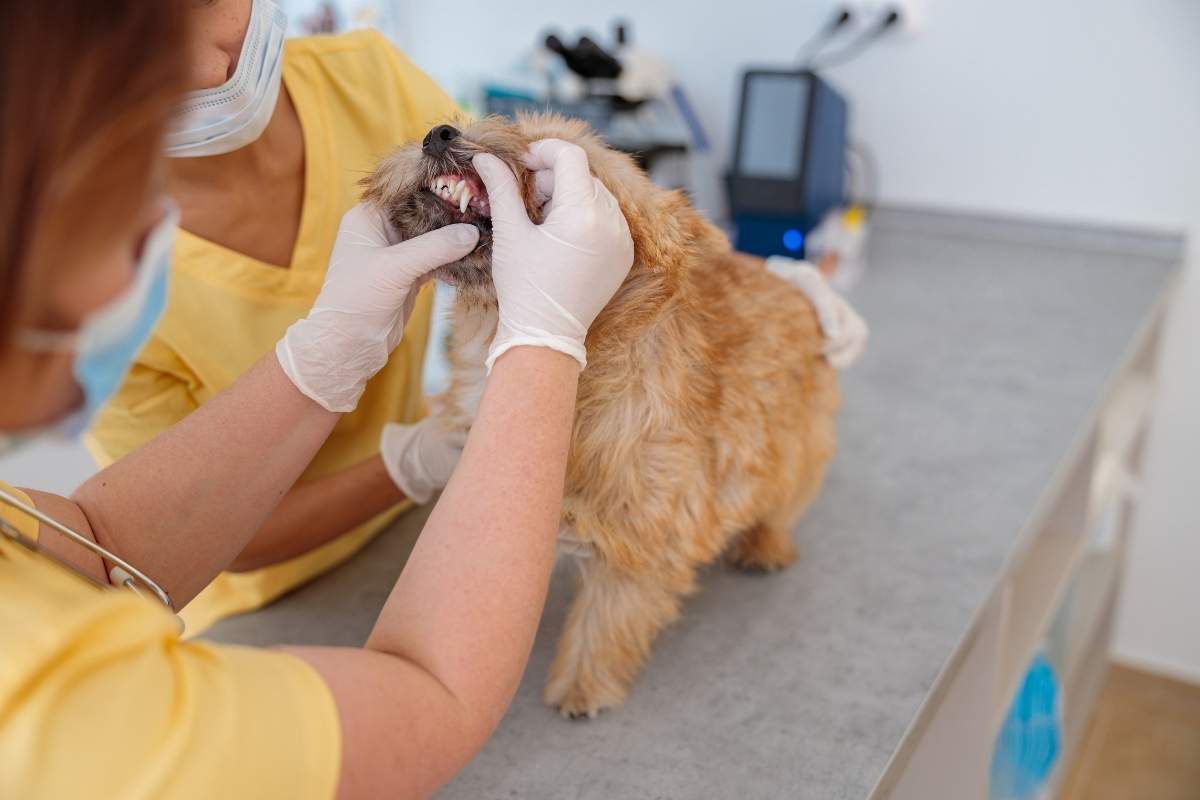
Even with home care, professional cleanings are essential for removing tartar below the gum line and identifying hidden dental issues.
3. Use Dental Diets and Chews
Veterinarian-recommended dental foods, treats, and chews can help minimize plaque and tartar when used alongside routine care.
4. Maintain Regular Wellness Exams
Routine veterinary visits allow early detection of dental disease before symptoms become severe.
Dental disease is common but largely preventable with awareness and consistent care. By recognizing early warning signs and committing to routine dental maintenance, you can help protect your pet from pain and serious health complications. If you have concerns about your pet’s oral health, contact Toro Park Animal Hospital for expert guidance and compassionate care.
If you’re located in Salinas, CA, and want to support your pet’s dental health, we encourage you to schedule a dental consultation with our experienced veterinary team today.
FAQs
Q1. How often should my pet have a dental exam?
Ans. Most pets should have their teeth examined at least once a year, though some may need more frequent evaluations.
Q2. Is bad breath normal for pets?
Ans. Persistent bad breath is usually a sign of dental disease and should not be ignored.
Q3. Can dental disease affect my pet’s overall health?
Ans. Yes. Oral bacteria can enter the bloodstream and impact organs such as the heart, liver, and kidneys.
Q4. Are professional dental cleanings safe for pets?
Ans. Yes. When performed by trained veterinary professionals, dental cleanings are safe and highly beneficial.
Q5. What pets are most at risk for dental problems?
Ans. Small breeds, senior pets, and pets without regular dental care are more prone to dental disease.
Q6. When should I contact a veterinarian about dental concerns?
Ans. If you notice bad breath, difficulty eating, gum changes, drooling, or facial swelling, schedule a dental evaluation promptly.