Same Day Appointments Available


Small Dog Dental Problems and How to Cure
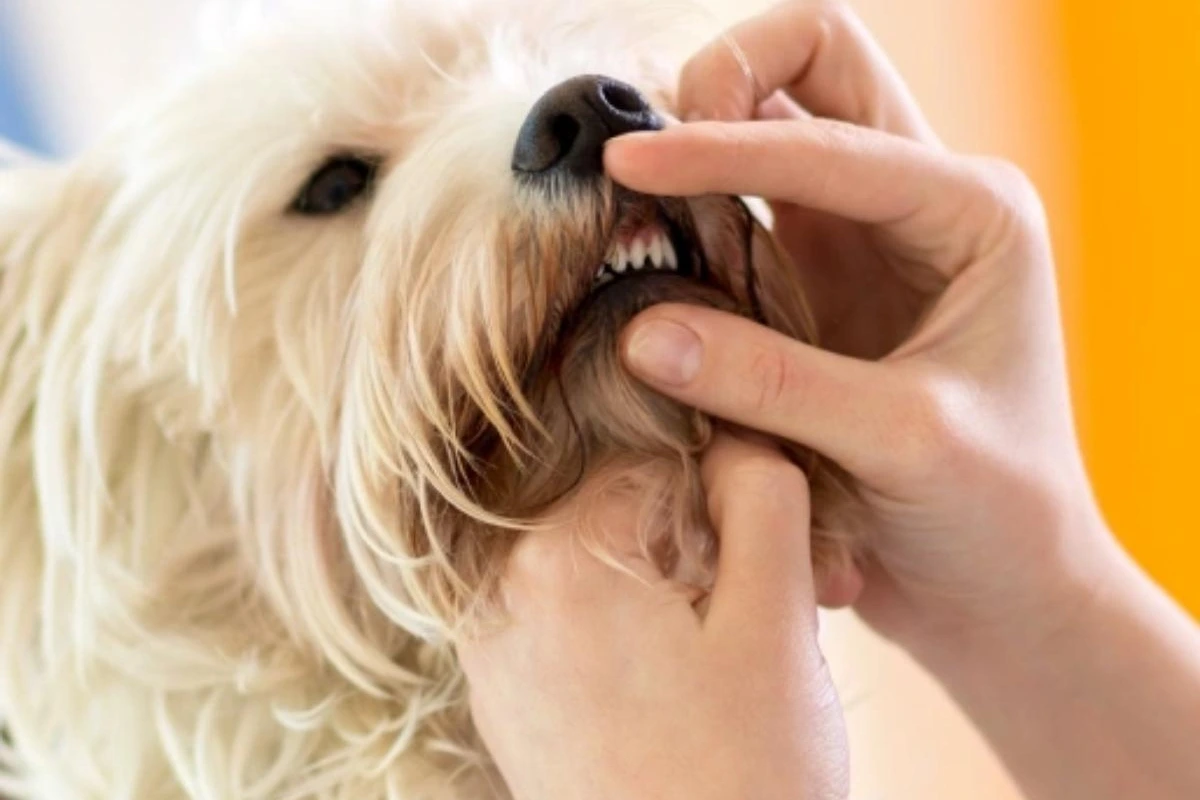
We, as pet owners, understand just how vital our small dogs are to us. Whether it is their playful ways or their cute faces, small dogs bring so many wonderful things into our lives. Like bigger dogs, small dogs are also prone to dental issues that can lead to serious problems if left untreated.
At Toro Park Animal Hospital, located in Salinas, CA, we appreciate the unique needs of your beloved pet. We are eager to assist you in identifying common dental issues in small breeds.
The Importance of Dental Care for Small Dogs
Dental care is necessary for your small dog’s overall health. Small dog breeds are more susceptible to dental disease due to their small mouths and crowded teeth. Some common small dog dental problems include:
- Chihuahuas
- Pomeranians
- Dachshunds
Dental problems in small-breed dogs are often neglected, but they can easily lead to more serious health concerns, such as gum disease, lost teeth, and infections that can spread to the rest of the body.
Even as you walk down Main Street in Salinas and take in the beautiful views of the Monterey Bay, you are never alone because your small companion is always right there with you.
However, pet owners tend to overlook the fact that taking care of their pet’s oral health is even more significant than anything else.
Common Small Dog Dental Problems
Here are some of the most common dental issues small dogs face:
1. Tartar and Plaque Build-up
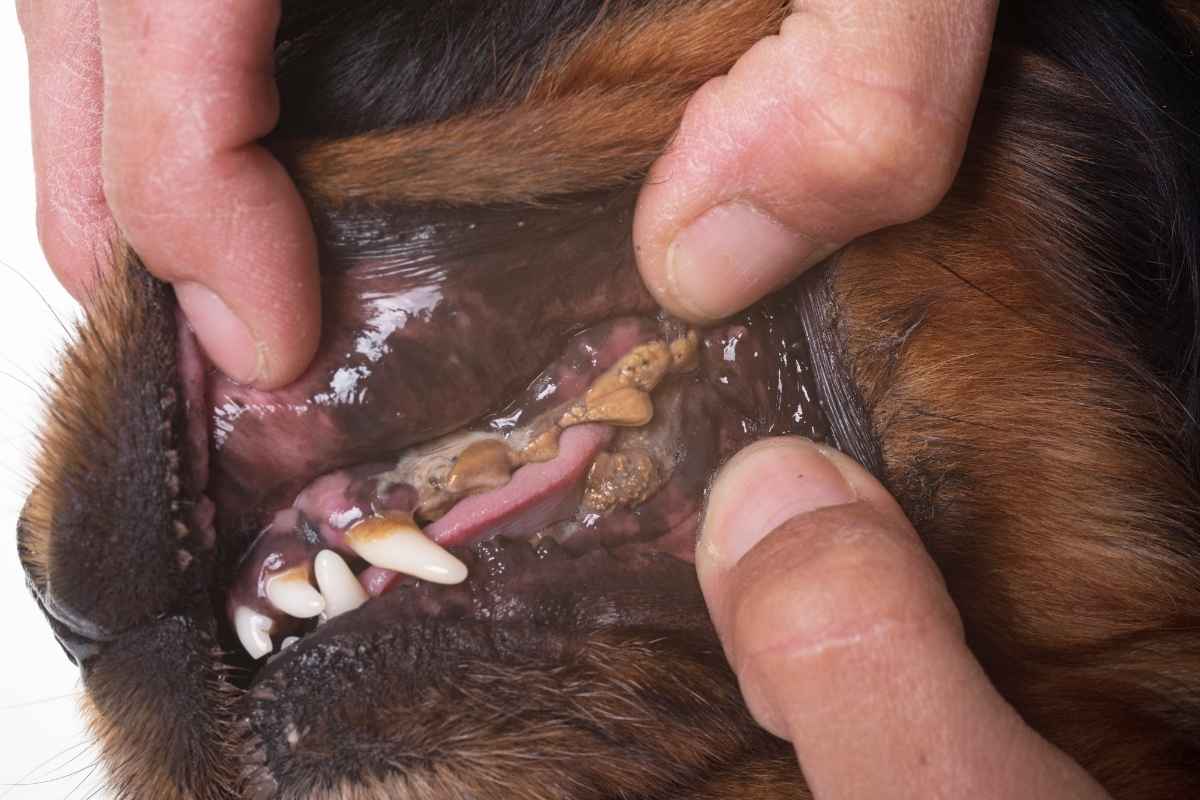
Tartar and plaque have caused many problems for small-breed dogs. These substances begin by mixing bacteria from the mouth with bits of food and saliva until they harden. They can cause gums to swell, teeth to rot, and gum disease to develop. These issues are most prevalent in small dogs who have tightly packed teeth.
Salinas has dry summer months, and it is essential to keep your dog hydrated and to regularly clean their teeth to prevent tartar buildup.
2. Gum Disease (Gingivitis)
Gingivitis is the early stage of gum disease and is commonly caused by plaque or tartar buildup along the gum line. The gums become red and swollen, and are more likely to bleed easily when touched. Gingivitis can progress to severe gum disease if left untreated and can even cause tooth loss and deterioration of the bone that supports the teeth.
3. Tooth Loss
Loose teeth are another dental problem that is commonly found in smaller dog breeds, especially as they age. This is primarily due to untreated gum disease or tooth decay. With loose teeth, your dog may have difficulty eating food.
4. Bad Breath (Halitosis)
Bad breath in dogs is a sign that their teeth and gums aren’t clean, caused by bacteria that accumulate on top of the plaque and tartar. A slight smell is okay, but a persistent smell could indicate gum disease or infection and require a vet checkup. A dog’s teeth take longer to clean than a cat’s teeth, which is why you need to ensure you brush your dog’s teeth regularly.
How to Cure and Prevent Dental Problems in Small Dogs
Now that you understand the common dental issues small dogs face, it’s time to focus on how to prevent and treat these problems. Here are some effective strategies:
1. Regular Brushing
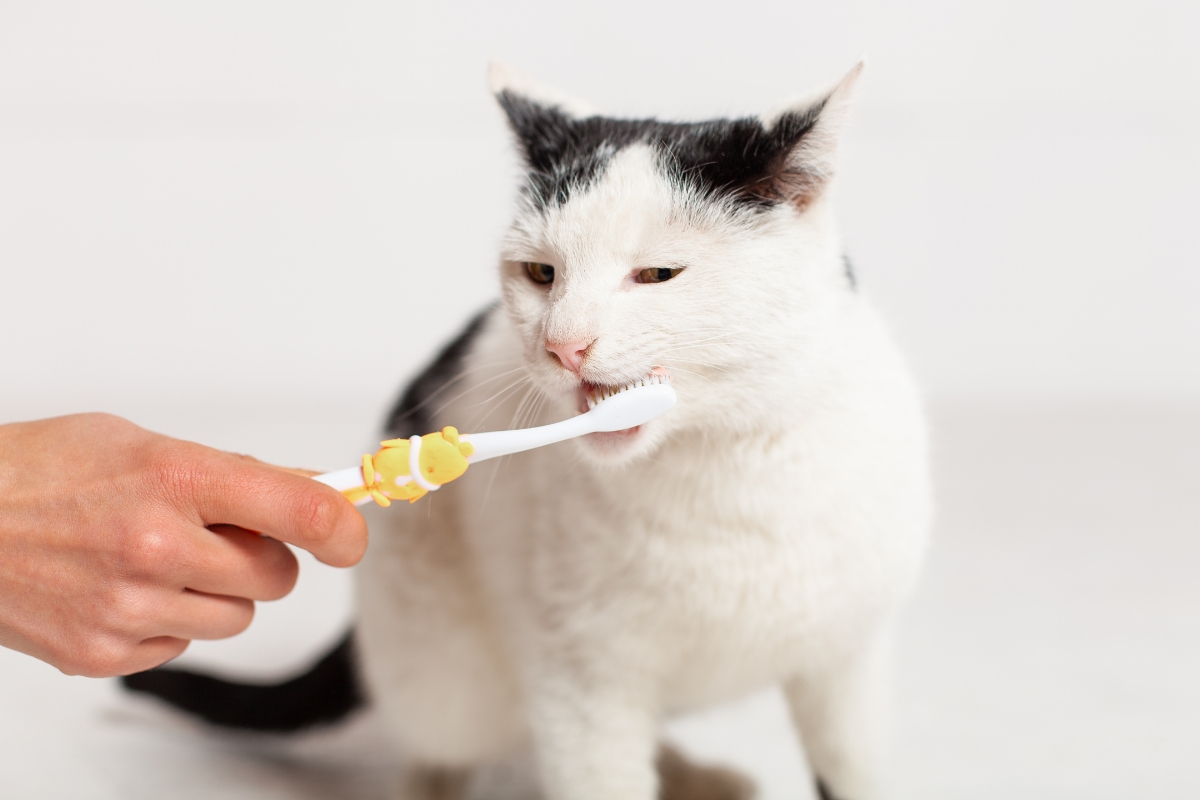
Alongside regular grooming, regular brushing should be an essential habit you maintain to keep your small dog’s teeth clean. Brushing helps reduce the risk of gum disease and removes plaque from the teeth. You would need a dog-specific toothbrush and toothpaste, and never use human toothpaste.
In Salinas, pet owners can enjoy the area’s beautiful parks, such as Toro Park. It is a great time, while you are out, to give your small dog a quick toothbrushing after its walk for the day. If your dog is not used to brushing its teeth regularly, make the process a positive experience with treats and positive appreciation.
2. Dental Chews and Toys
Dental chews and toys go a long way in helping keep your small breed dog’s teeth clean. While your dog is engaged in chewing, these dental products will work to remove tartar and plaque on the dog’s teeth. Dental chews and toys are available at nearby pet shops
You could be in Salinas, strolling around the Salinas Valley with your dog and letting them enjoy a dental chew while you sit in the shade at a nearby park. This is a simple, effortless way to incorporate dental care into your pet dog’s life.
3. Regular Professional Dental Cleanings
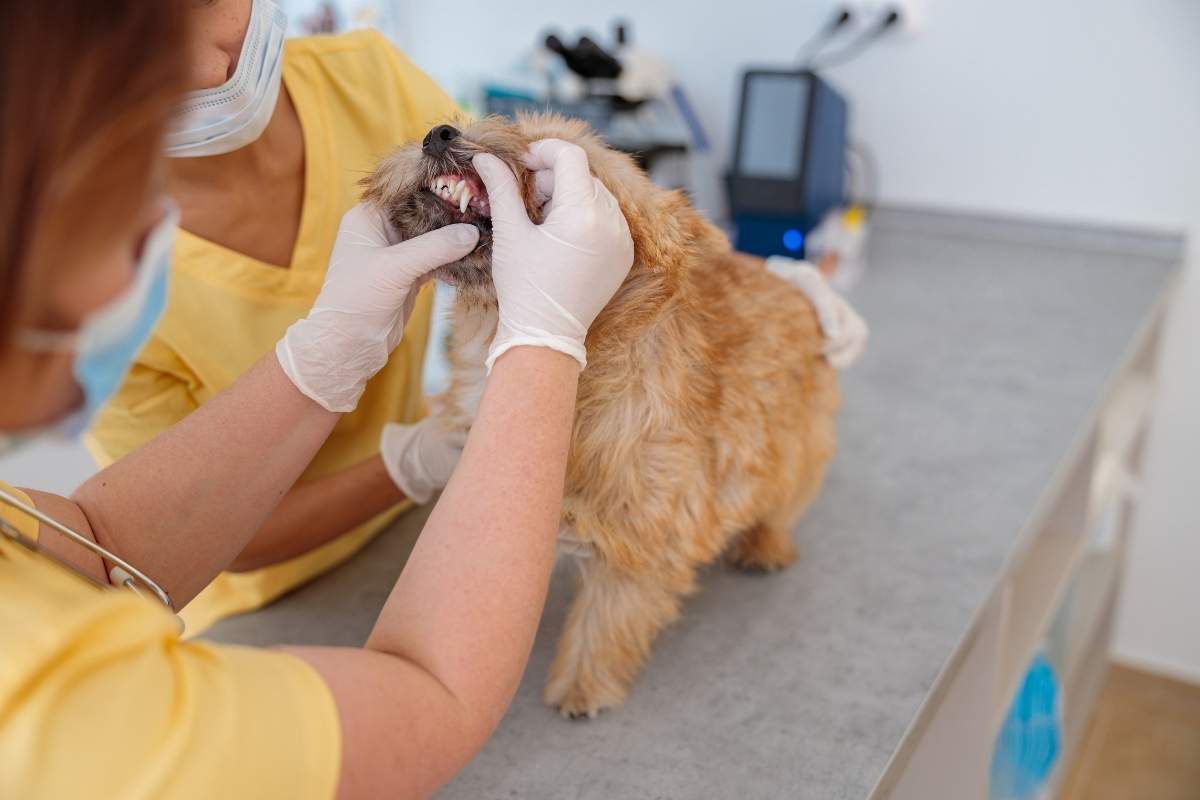
At Toro Park Animal Hospital, we recommend that you seek professional dental cleaning for your small-breed dog. Like humans, dogs will benefit significantly from a professional dental cleaning to remove tartar that cannot be removed through regular oral care. Through dental cleaning, our veterinarians will examine and inspect your dog’s teeth for any signs of dental problems and even take some dental X-rays.
4. Healthy Diet
The food you give your dog has a significant impact on their dental care. A balanced diet will help keep teeth and gums strong. Avoid sugary or sticky foods when you want a snack. These will increase plaque formation in their teeth. Choose tooth-friendly snacks, such as crunchy ones.
We also offer nutritional advice tailored to your smaller-breed dog at Toro Park Animal Hospital. Whether you are walking in Salinas or exploring the surrounding countryside, make sure that your dog’s diet and treats are consistent and promote good dental care.
5. Signs to Watch Out For
Identifying dental pain in your dog is essential to avoid future health problems. If you notice your dog showing signs of pain, such as difficulty eating, excessive drooling, pawing at their mouth, or avoiding play or chewing, you should visit the vet soon to have your pet checked.
If you notice any of the symptoms, do not wait until your next visit. Early intervention for dental problems prevents future complications.
Watch for These Signs of Dental Pain
Scheduling regular dental visits is essential; however, if you notice any pain in your pet, seek professional advice immediately. Some of the common pain symptoms you need to look out for are:
- Bleeding Gums
- Difficulty eating or chewing
- Foul breath
- Red, swollen, or sensitive gums
- Tartar or plaque on the teeth
- Drooling
- Changes in behavior, such as irritability
The earlier you detect dental problems in your pets, the better it is for preventing major issues in the future. Early intervention is key to preventing severe dental problems.
Keep Your Small Dog’s Smile Healthy
Proper dental care for your small dog is crucial for his overall health. Regular brushing and periodic professional cleanings, along with dental chews and a healthy diet, will go a long way in preventing problems and keeping your pup’s smile healthy.
For residents in Salinas, CA, or nearby who need help with their dog’s dental care, call us today to schedule a checkup. Our team of experts is here to direct you on the best way to keep your pet’s teeth in good shape. From routine dental care to treating existing problems, Toro Park Animal Hospital is ready for your needs.
FAQs
Q1. How can I tell if my small dog has dental problems?
Ans. Symptoms include bad breath, red or swollen gums, difficulty eating, excessive drooling, or pawing at the mouth. Contact your vet if any of these symptoms appear.
Q2. Is it necessary to brush my small dog’s teeth every day?
Ans. Brushing is best done every day, and brushing at least 3-4 times a week helps prevent plaque and tartar. Begin gradually and use pet toothpaste.
Q3. What are the risks of untreated dental issues in small dogs?
Ans. If neglected, dental problems can lead to painful gum disease and tooth loss. In severe instances, infections can spread to the heart, kidneys, and liver.
Q4. How often should my small dog get a professional dental cleaning?
Ans. Small-breed dogs need professional cleaning at least once a year. Some dogs require more frequent cleaning, depending on dental and breed considerations.
Q5. Can dental treats replace brushing for small dogs?
Ans. They promote dental health, but they cannot substitute brushing. Brushing is the most effective way to prevent plaque and tartar buildup.