Same Day Appointments Available


What Does a Urinalysis Tell You About Your Dog or Cat’s Health?
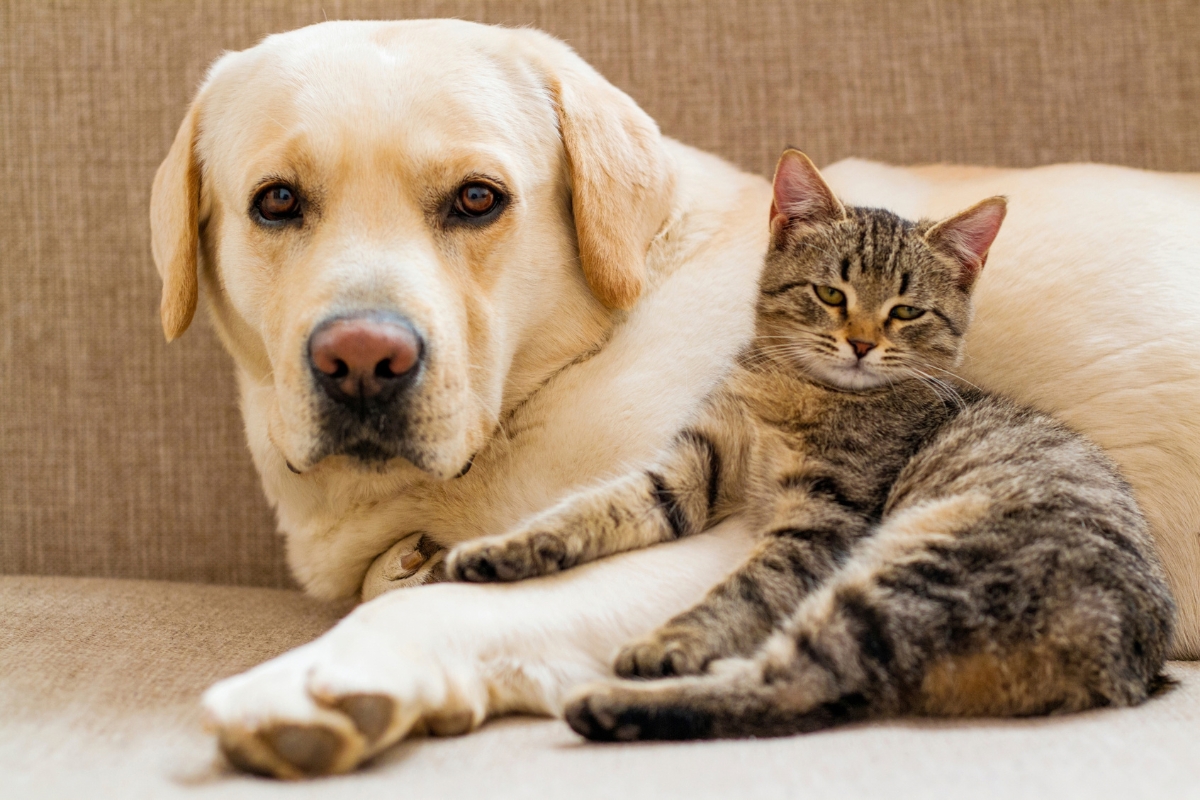
Your dog suddenly starts drinking more water, or your cat visits the litter box more frequently than usual. These changes may seem harmless, but they can sometimes indicate an underlying health problem. A urinalysis is a simple veterinary test that helps identify abnormalities involving the kidneys, urinary tract, and other body systems.
Urine testing can reveal signs of infections, diabetes, kidney disease, and bladder problems. It also provides information about how well your pet’s body manages fluids and eliminates waste.
Understanding what a urinalysis reveals can help you recognize potential health concerns before they become more serious. For pet owners in Salinas, knowing when urine testing is necessary can support timely veterinary attention and better long-term health decisions.
What Is a Urinalysis for Dogs and Cats?
A urinalysis is a laboratory test that examines your pet’s urine to identify potential health problems.
Veterinarians evaluate several characteristics, including:
- Color and appearance: Unusual changes may indicate blood, inflammation, or other abnormalities.
- Urine concentration: Shows how effectively the kidneys conserve water.
- Chemical composition: Detects substances such as glucose, protein, and ketones.
- Microscopic contents: Identifies cells, crystals, bacteria, and other particles.
Urinalysis is an important part of diagnostic care because it provides information that physical examinations alone cannot always reveal.
Our vets may recommend urine testing during wellness examinations or when pets develop symptoms that require further investigation.
What Health Problems Can a Urinalysis Detect?
Urine testing helps veterinarians identify abnormalities associated with several medical conditions. However, additional tests are often necessary to confirm a diagnosis.
Kidney Disease
Your pet’s kidneys filter waste from the bloodstream and regulate fluid balance. Urinalysis measures urine concentration to assess how effectively the kidneys conserve water.
Persistently diluted urine may indicate kidney dysfunction, although drinking habits, medications, and other conditions can affect the results. Our vets may recommend blood tests alongside urinalysis to investigate suspected kidney disease.
Urinary Tract Infections
Urinary tract infections can cause discomfort and changes in bathroom habits. A urinalysis may reveal white blood cells, bacteria, or other findings associated with infection.
Common symptoms include:
- Frequent urination
- Straining while urinating
- Blood in the urine
- Accidents inside the house
- Excessive licking around the genital area
These symptoms can also occur with bladder stones or inflammation.
A urine culture may be recommended to confirm bacterial infection and guide antibiotic treatment.
Diabetes
Glucose is not normally present in significant amounts in healthy urine. When glucose appears in your pet’s urine, it may indicate elevated blood sugar associated with diabetes.
Pets with diabetes may experience increased thirst, frequent urination, weight loss, and appetite changes. Urinalysis may also detect ketones, which can indicate potentially serious metabolic complications. Blood testing is necessary to confirm diabetes and determine appropriate treatment.
Bladder Stones and Urinary Crystals
Certain minerals in urine can form crystals. Some types are associated with bladder stone formation. Urinalysis helps identify these crystals through microscopic examination.
However, crystals do not always mean bladder stones are present. Our vets may recommend X-rays or ultrasound when additional investigation is necessary.
Protein Loss Through the Kidneys
Persistent protein in urine can indicate kidney damage or other medical conditions. Infections, inflammation, and blood contamination can also affect protein readings. If abnormal protein levels are detected, our vets may recommend additional testing to determine their significance.
Hydration Problems
Urinalysis measures urine concentration, which provides information about the body’s ability to conserve water. Highly concentrated urine may occur when pets need to retain fluids, while diluted urine may result from increased water intake. As several factors influence urine concentration, veterinarians interpret these findings alongside examination results and medical history.
How Is a Urine Sample Collected From Dogs and Cats?
Veterinarians use different collection methods depending on the pet’s condition and testing requirements.
Free-Catch Collection
Urine is collected while the pet urinates naturally. This method is noninvasive but may introduce contamination from the surrounding environment.
Cystocentesis
A veterinarian collects urine directly from the bladder using a sterile needle. This method reduces contamination and is often preferred when investigating bacterial infections.
Catheterization
A small catheter is inserted through the urethra to collect urine. This method is used in certain medical situations.
Our veterinary practice selects an appropriate collection method based on your pet’s symptoms and comfort.
When Should Your Dog or Cat Have a Urinalysis?
Urine testing may be recommended even when pets appear healthy.
Common reasons include:
- Routine wellness visits: To investigate potential abnormalities when screening is appropriate.
- Senior pet examinations: To monitor kidney function and age-related changes.
- Increased thirst: To investigate diabetes, kidney disease, or hormonal disorders.
- Frequent urination: To evaluate possible urinary tract problems.
- Chronic disease monitoring: To assess existing medical conditions.
- Treatment follow-ups: To determine whether previously identified abnormalities have improved.
Testing frequency depends on your pet’s age, symptoms, medical history, and overall health.
Why Are Blood Tests and Urinalysis Often Recommended Together?
Blood tests and urinalysis provide different information about your pet’s health. Blood testing evaluates substances associated with organ function, blood glucose, and electrolyte balance. Urinalysis examines urine concentration, chemical abnormalities, and microscopic findings.
For example, diluted urine may raise concerns about kidney function. Blood tests can provide additional information to investigate the cause.
Combining these tests allows our vets to assess health concerns more thoroughly. Our veterinary practice uses laboratory testing as part of diagnostic care to investigate symptoms and guide medical decisions.
What Happens When Your Pet’s Urinalysis Results Are Abnormal?
An abnormal urinalysis does not automatically indicate a serious disease.
Some changes are temporary or influenced by hydration, medications, and sample collection.
Depending on the findings, our vets may recommend:
- Repeating the urine test
- Performing additional blood tests
- Requesting a urine culture
- Using X-rays or ultrasound
- Measuring urinary protein levels
- Scheduling follow-up examinations
These steps help identify the underlying cause and determine whether treatment is necessary.
Can Urinalysis Identify Health Problems Before Symptoms Appear?
Yes. Some urinary abnormalities can develop before noticeable symptoms appear. Changes in urine concentration or persistent protein loss may indicate problems requiring further investigation.
This makes urine testing particularly valuable for senior pets and animals with existing medical conditions. However, urinalysis cannot detect every disease. Regular veterinary examinations and appropriate laboratory testing provide a more complete assessment.
Which Urinary Symptoms Require Immediate Veterinary Attention?
Certain urinary changes should never be ignored. Contact a veterinarian if your pet experiences persistent urinary discomfort, bloody urine, or sudden changes in drinking and urination.
Seek emergency veterinary care immediately if your pet repeatedly strains but produces little or no urine.
Urinary blockages are particularly dangerous in male cats and can become life-threatening quickly. Vomiting, severe weakness, or collapse alongside urinary symptoms also requires urgent evaluation.
Support Your Pet’s Health With Timely Urine Testing
Your pet’s urine can provide important clues about kidney function, urinary health, and underlying medical conditions. A urinalysis helps veterinarians investigate these concerns and determine whether additional testing or treatment is necessary.
Recognizing changes early and maintaining regular veterinary examinations can help protect your pet’s comfort and long-term well-being.
If your dog or cat is experiencing unusual urinary symptoms, contact Toro Park Animal Hospital in Salinas. Our veterinary team provides diagnostic testing to investigate potential health problems and recommend appropriate next steps.
Call us today to schedule an appointment and give your pet the attention they deserve.
Frequently Asked Questions
Q1. Can a urinalysis detect kidney disease in dogs and cats?
Ans. Urinalysis can identify changes in urine concentration and protein levels that may suggest kidney problems. Veterinarians usually combine these findings with blood tests to evaluate kidney function.
Q2. How often should pets receive urine testing?
Ans. Testing frequency depends on age, medical history, and existing health conditions. Senior pets and animals with kidney disease or diabetes may require more frequent monitoring.
Q3. Is urine testing painful for pets?
Ans. The laboratory test itself is painless. Natural urine collection is noninvasive, while collecting urine directly from the bladder may cause brief discomfort.
Q4. Where can I get a urinalysis for my dog in Salinas?
Ans. Toro Park Animal Hospital provides veterinary laboratory testing, including urinalysis. Our vets can investigate urinary symptoms and recommend additional testing when necessary.
Q5. Can Toro Park Animal Hospital help if my cat urinates outside the litter box?
Ans. Yes. Our vets at Toro Park Animal Hospital can evaluate changes in litter box habits and recommend urinalysis to investigate possible urinary inflammation, infection, or other medical conditions.
Q6. Does Toro Park Animal Hospital offer urine testing for senior pets in Salinas?
Ans. Yes. Toro Park Animal Hospital offers urinalysis to help assess urinary health and monitor certain medical conditions in senior dogs and cats. Our vets recommend testing based on individual health needs.