Same Day Appointments Available


The Importance of Routine Wellness Exams for Cats & Dogs

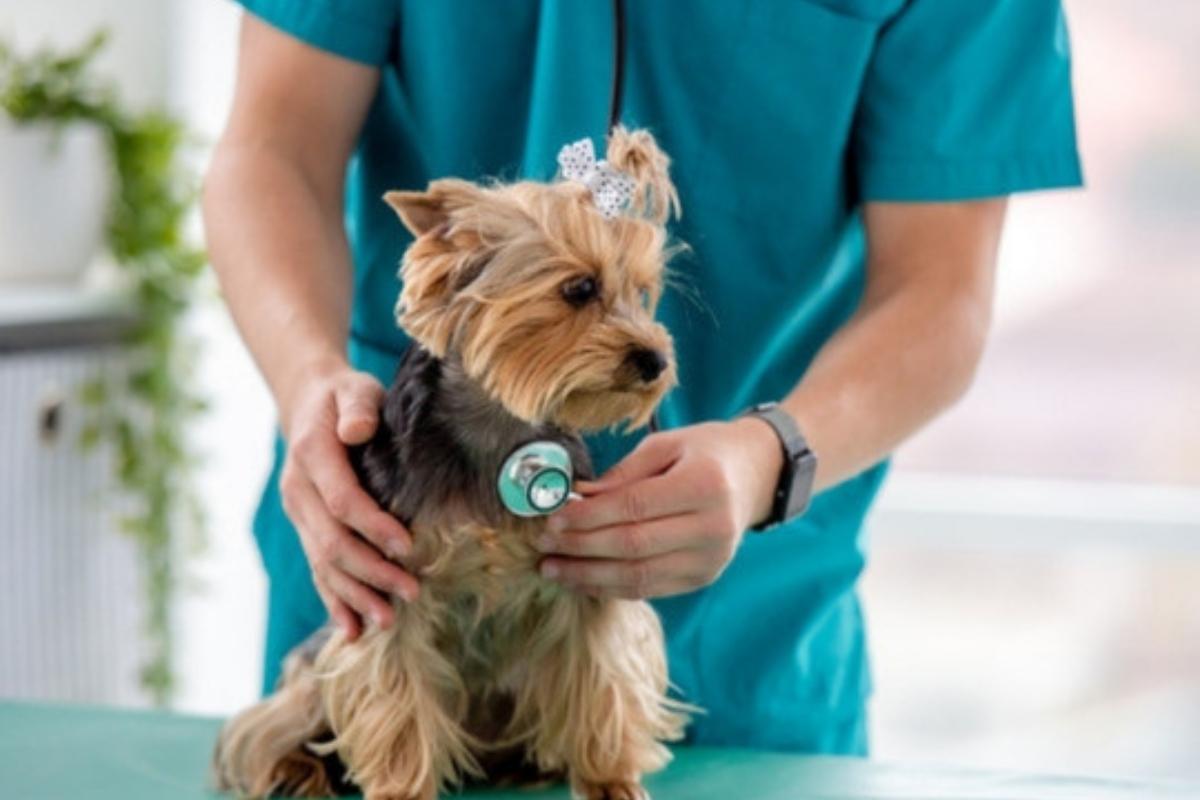
Routine wellness exams are one of the most valuable investments you can make in your pet’s long-term health. Cats and dogs cannot tell us when something feels wrong, and many diseases begin quietly before symptoms show. Regular checkups give veterinarians the chance to detect early health changes, prevent illness, and support your pet’s well-being through every life stage. Whether you have a playful puppy, a curious adult cat, or a senior pet with evolving needs, wellness exams ensure they live a healthy, comfortable, and happy life.
Why Wellness Exams Matter
Wellness exams are more than physical checkups—they are a foundation of preventive care. During these visits, veterinarians monitor your pet’s body systems, behavior, weight, mobility, and vital signs. Early diagnosis is crucial because many conditions, such as kidney disease, diabetes, arthritis, dental disease, and thyroid disorders, develop gradually.
Detecting issues early means:
- Better treatment options
- Lower long-term medical costs
- Slower progression of chronic diseases
- Improved quality of life
- Longer lifespan
Even healthy pets benefit because annual (or twice-yearly for seniors) exams create valuable baseline health records that track changes over time.
What Happens During a Routine Wellness Exam
A comprehensive wellness exam covers multiple aspects of your pet’s health:
1. Full Physical Examination
Your veterinarian will examine:
- Eyes, ears, and mouth
- Skin and coat
- Heart and lungs
- Muscles and joints
- Abdomen
- Nervous system
Physical exams often detect early signs of allergies, heart murmurs, dental issues, or mobility concerns that owners may not notice.
2. Weight and Nutritional Evaluation
Obesity is one of the most common health issues in pets. Extra weight increases the risk of:
- Diabetes
- Heart disease
- Joint problems
- Reduced mobility
- Shorter lifespan
Evaluating your pet’s body condition helps ensure they maintain a healthy weight year-round.
3. Diagnostic Screenings
Veterinarians may recommend:
- Bloodwork
- Urine analysis
- Fecal testing
- Heartworm tests
- Thyroid function tests
These screenings offer a deeper look into organ function, internal parasites, and overall health.
4. Vaccinations
Vaccinations protect your pet from dangerous and preventable illnesses like rabies, distemper, parvovirus, and feline leukemia. Your veterinarian will recommend a vaccination schedule tailored to your pet’s lifestyle.
5. Parasite Prevention
Fleas, ticks, heartworms, and intestinal parasites can cause severe health problems. Wellness exams ensure pets stay on the right preventive medications year-round.
6. Dental Health Assessment
Dental disease affects most pets by age three. During a wellness exam, your veterinarian checks for:
- Tartar buildup
- Gingivitis
- Broken teeth
- Gum disease
Untreated dental issues can lead to pain, infection, and even organ damage.
7. Behavior and Lifestyle Review
Behavioral changes can signal underlying health problems. Your vet may ask about:
- Activity levels
- Appetite
- Sleep patterns
- Social behavior
- Anxiety or stress
This holistic approach supports your pet’s emotional and physical well-being.
How Often Should Pets Get Wellness Exams?
The frequency of wellness exams depends on your pet’s age and health status.
Puppies and Kittens (0–1 year)
- Require multiple visits for vaccinations, deworming, and growth monitoring
- Exams every 3–4 weeks
Adult Pets (1–7 years)
- Generally require annual wellness exams
Senior Pets (7+ years)
- Should be seen every 6 months
- More frequent screenings help detect age-related changes early
Regular checkups help ensure your pet’s health stays on track as their needs evolve.
Benefits of Routine Wellness Exams
1. Early Disease Detection
Many illnesses begin quietly. Wellness exams catch problems before they become serious.
2. Lower Veterinary Costs
Preventive care reduces the likelihood of emergency treatment or complex medical procedures later.
3. Improved Longevity
Pets who receive routine veterinary care tend to live longer, healthier lives.
4. Personalized Care Plans
Wellness exams allow vets to tailor recommendations based on breed, age, lifestyle, and health history.
5. Stronger Human-Animal Bond
Monitoring your pet’s well-being helps you understand them better and support their changing needs.
How to Prepare for a Wellness Exam
To get the most out of your pet’s appointment:
- Bring any medical records if you’re visiting a new clinic
- Prepare questions or concerns in advance
- Note changes in appetite, behavior, or mobility
- Bring a fresh stool sample if requested
- Keep your pet calm using treats or familiar items
Proper preparation ensures a smooth and productive visit.
When to Schedule a Wellness Exam Immediately
Beyond routine visits, schedule an exam sooner if your pet experiences:
- Sudden weight loss or gain
- Excessive thirst or urination
- Limping or mobility issues
- Vomiting or diarrhea
- Behavioral changes
- Bad breath
- Skin irritation or hair loss
Any unusual symptoms warrant professional attention.
Conveniently located in Toro Park, CA, if you are searching for vets near me who provide comprehensive routine wellness exams for cats and dogs, then Toro Park Animal Hospital is the ideal choice for your pet. Their experienced team focuses on preventive care, early detection, and long-term health support to keep your pet healthy at every stage of life.
Frequently Asked Questions
Q1. How often should my dog or cat have a wellness exam?
Ans. Most adult pets need yearly exams, while seniors benefit from twice-yearly visits.
Q2. What tests are included in a routine checkup?
Ans. Common tests include bloodwork, urinalysis, fecal exams, and parasite screenings.
Q3. Do indoor cats need wellness exams?
Ans. Yes. Indoor pets can still develop diseases, dental issues, and age-related conditions.
Q4. Why is bloodwork important if my pet seems healthy?
Ans. Blood tests detect hidden problems early, long before symptoms appear.
Q5. Should I bring anything to the exam?
Ans. Bring questions, behavior notes, medical history, and a stool sample if requested.
Q6. What age is considered “senior” for pets?
Ans. Most dogs and cats are considered seniors around age 7, depending on breed and size.