Same Day Appointments Available


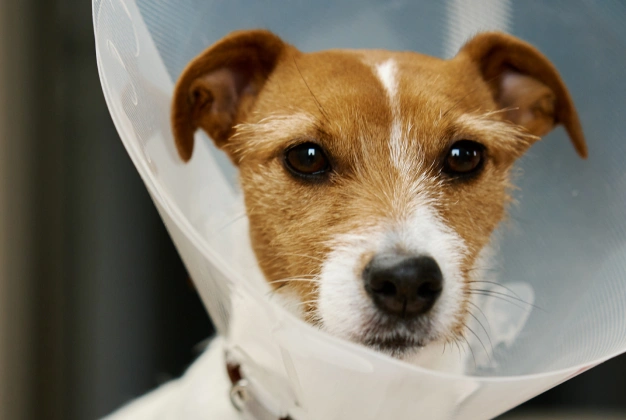
Personalized Surgical Plans for Pets
At Toro Park Animal Hospital in Salinas, CA, we specialize in both general and advanced procedures for dogs and cats. With a team of skilled surgeons and cutting-edge technology, we provide comprehensive care tailored to your pet’s individual needs. Trust Toro Park Animal Hospital for exceptional veterinary surgical care that prioritizes your pet’s health and well-being above all else.

What is Veterinary Laparoscopy Surgery?
Laparoscopy is a minimally invasive surgical technique that involves making small incisions in the abdomen and using a camera and specialized tools to perform the surgery. This technique is often used for procedures such as spaying or neutering, removing foreign objects from the stomach, or taking biopsies.
Compared to traditional open surgery, laparoscopy offers a shorter recovery time, less pain, and a lower risk of complications. However, not all pets are candidates for laparoscopic surgery, so it is important to consult with our veterinary team to determine the best course of action for your pet.
Veterinary Laparoscopic OVE Spays
Traditional spays involve a 1-4″ incision in the abdomen, causing pain and bruising. The ovaries are forcefully removed, and the uterus is often taken out unnecessarily, which can lead to trauma and bleeding.
In contrast, a minimally invasive spay using Laparoscopic OVE makes two small incisions to remove the ovaries without tearing them from the body. This results in minimal pain and bleeding. The uterus is left intact, reducing tension and the risk of complications.
Laparoscopic spays are 65% less painful than traditional ones, leading to faster recovery with only 2-3 days of restricted activity compared to 7-14 days (about 2 weeks). Recent studies show that removing the uterus isn’t necessary for young, healthy animals, as it doesn’t prevent future uterine diseases. Ovariectomies are a better option, associated with less pain and fewer complications, making them a faster surgery.
Surgeries Performed
- Soft Tissue Surgery
- Orthopedic Surgery
- Laser Surgery
- Spay and Neuter
- C-Section
- Amputation
- Cherry Eye Repairs
- Cystotomy Procedure
- Foreign Body Removal
- Mass Removal
- Endoscopy
- Laparoscopy
- Exploratory Surgery
- Gastropexy Surgery
- Laparoscopic
- Gastropexy Surgery
- Splenectomy Surgery
- Gastrointestinal Procedures
The Importance of Veterinary Surgery
Veterinary surgery is essential for treating a variety of conditions in animals, including injuries, illnesses, and diseases. It can also be used for preventative measures, such as spaying and neutering, to improve the overall health and well-being of your pet. Surgery allows our veterinary team to diagnose and treat internal issues that may not be visible on the surface, and it can also help prevent future health problems.
Preparing Your Pet for Surgery
Before your pet undergoes surgery, it’s important to follow our instructions to ensure a successful procedure. This may include fasting your pet for a certain amount of time before surgery, withholding water, and administering any necessary medications. It’s also important to inform our veterinary team of any medications your pet is currently taking, as well as any allergies or health conditions they may have.
Post-Op Surgery Care for Your Pets
After surgery, your pet will need proper care and attention to ensure a smooth recovery. Our veterinarian will provide specific instructions for post-operative care, which may include administering medication, changing bandages, and monitoring your pet’s activity level. It’s important to follow these instructions carefully to prevent any complications and promote healing.
In addition, it’s crucial to keep your pet comfortable and calm during their recovery. This may involve creating a quiet and comfortable space for them to rest, providing them with a warm and cozy bed, and giving them plenty of love and attention.
What is Spaying & Neutering?
Spaying
Spaying is a surgical procedure that involves removing a female animal’s reproductive organs, including the ovaries and uterus. This procedure is also known as an ovariohysterectomy.
During the surgery, our veterinarians will make an incision in the abdomen and remove the reproductive organs. The incision is then closed with stitches or surgical glue.
Neutering
Neutering, also known as castration, is a surgical procedure that involves removing a male animal’s testicles.
During the surgery, our veterinarians will make an incision in the scrotum and remove the testicles. The incision is then closed with stitches or surgical glue.
Benefits of Spaying & Neutering
- Prevents Unwanted Pregnancies – One of the main benefits of spaying and neutering is preventing unwanted and accidental pregnancies. This is especially important for pet owners who do not want to breed their animals.
- Reduces the Risk of Certain Health Issues – Spaying and neutering can also have significant health benefits for your pet. For female animals, spaying can reduce the risk of uterine infections and breast tumors, which are often cancerous.
For male animals, neutering can prevent testicular cancer and reduce the risk of prostate problems.
- Decreases Aggressive Behavior – Unneutered male animals are more likely to display aggressive behavior, such as fighting with other animals and marking their territory with urine. This behavior can be reduced or eliminated by neutering.
Preparing for Surgery and Post-Op Care
Pre-Surgery Preparation
Before your pet’s surgery, it is important to follow any instructions given by us. This may include fasting your pet for a certain amount of time before the surgery. It is important to follow these instructions to prevent any complications during the surgery.
You should also make sure your pet is up to date on all vaccinations and medications. This will help boost their immune system and prevent any infections during the surgery. If your pet is on any medications not prescribed by us, make sure to inform us so we can advise you on whether to continue or stop the medication before the surgery.
Post-Operative Care
After the surgery, your pet will need extra care and attention to ensure a smooth recovery. We will provide you with specific instructions for your pet’s post-operative care, but here are some general tips to keep in mind:
- Keep your pet in a quiet and comfortable environment to reduce stress and promote healing.
- Monitor your pet’s incision site for any signs of infection, such as redness, swelling, or discharge.
- Administer any prescribed medications as directed by your veterinarian.
- Limit your pet’s activity and movement to prevent any strain on the incision site.
- Provide your pet with a comfortable and clean place to rest.
- Make sure your pet has access to fresh water at all times.
What is Veterinary Soft Tissue Surgery?
Veterinary soft tissue surgery involves operating on organs, tissues, and structures unrelated to bones or joints. This type of surgery is commonly performed on the respiratory, digestive, and reproductive systems, as well as the skin and other soft tissues.
Common Soft Tissue Surgeries Include
- Spaying and neutering
- Tumor removal
- Bladder stone removal
- Gastrointestinal surgery
What is Veterinary Mass Removal Surgery?
Veterinary mass removal surgery, also known as tumor removal surgery, is a type of surgery that involves removing abnormal growths or masses from a pet’s body. These masses can be benign (non-cancerous) or malignant (cancerous).
Why Is Mass Removal Surgery Necessary?
Mass removal surgery may be necessary for various reasons, including:
- To prevent the mass from growing and causing further health issues.
- To determine if the mass is cancerous or not.
- To improve the pet’s quality of life by removing a mass that is causing discomfort or pain.
What is a Veterinary Gastrointestinal Procedure?
A veterinary gastrointestinal procedure is a type of surgery that involves operating on the digestive system. This can include procedures such as removing foreign objects from the stomach or intestines, repairing hernias, and removing diseased sections of the intestines.
Common Gastrointestinal Procedures Include
- Foreign body removal: Pets can accidentally ingest objects that can get stuck in their digestive system, causing blockages and discomfort. Surgery may be necessary to remove these objects.
- Hernia repair: Hernias can occur in pets, and surgery may be required to repair them.
- Intestinal surgery: This includes procedures such as removing diseased sections of the intestines, repairing perforations, and removing tumors.
What is Veterinary Splenectomy Surgery?
A splenectomy is a surgical procedure that involves the removal of the spleen. The spleen is an organ located in the abdomen that helps filter and store blood. This surgery is typically performed on pets who have a ruptured spleen due to trauma or a tumor. It may also be necessary for pets with certain blood disorders or infections. The procedure is performed under general anesthesia and involves making an incision in the abdomen to access the spleen. The spleen is then carefully removed, and the incision is closed. Recovery time for a splenectomy can vary, but most pets can return to their normal activities within a few weeks.
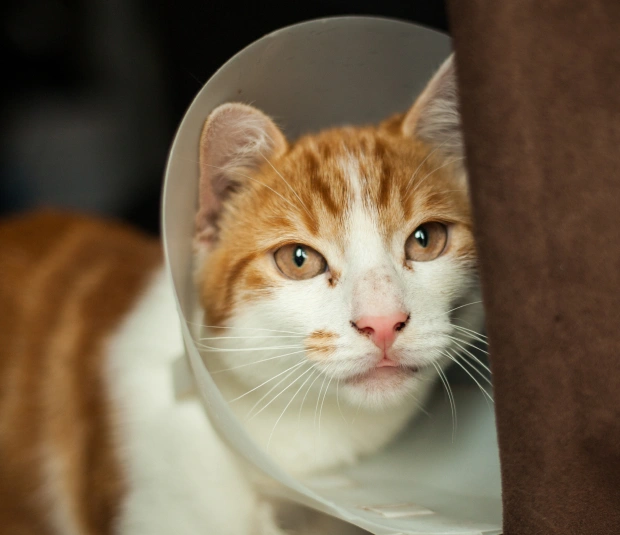
What is Veterinary Orthopedic Surgery?
Orthopedic surgery is a broad term that encompasses a variety of surgical procedures related to the musculoskeletal system. This can include surgeries to repair fractures, torn ligaments, or joint problems. These surgeries are often necessary for pets who have been in accidents or have developed joint issues due to age or genetics.
The specific procedure will depend on the individual animal’s condition, but most orthopedic surgeries involve making an incision near the affected area and using specialized tools to repair or replace damaged bones or joints. Recovery time for orthopedic surgery can vary, but it is important to follow our veterinary team’s instructions for post-operative care to ensure a successful recovery.