Same Day Appointments Available


What Are the Early Signs of Cognitive Decline in Senior Dogs and Cats?

Your older dog stands at a familiar doorway but seems unsure how to pass through. Your cat, once quiet after dark, begins calling out in the hallway at night. These moments may seem like ordinary signs of aging, yet changes in memory, awareness, and behavior deserve attention. Some older pets develop cognitive dysfunction, a condition that affects how their brains process everyday experiences.
For families in Salinas, understanding these changes can make it easier to recognize when something is wrong. This guide explains the first signs to watch for, why they happen, and how veterinary care can help your companion stay comfortable.
What Is Cognitive Dysfunction in Older Pets?
Cognitive dysfunction syndrome (CDS) is an age-related decline in brain function. It can affect memory, sleep, learned habits, and responses to familiar people or places. It is often compared with dementia in humans, although the conditions are not identical.
Signs usually develop gradually, and not every senior dog or cat will experience them. Consistent senior pet care matters because behavior changes can be easy to overlook until they begin interfering with daily life.
6 Early Signs of Cognitive Decline in Dogs and Cats
- Confusion in Familiar Places
A dog might get stuck behind furniture or wait at the wrong side of an open door. A cat may stare at a wall, wander without purpose, or struggle to find a familiar room. Repeated disorientation deserves a veterinary exam, especially when your pet’s home environment has not changed.
- Changes in Sleep Patterns
Some older pets sleep longer during the day but pace, wander, or vocalize overnight. A dog that previously slept through the night may wake the household repeatedly. Cats may meow loudly after dark. A disrupted sleep schedule is worth discussing even if daytime behavior seems normal.
- Different Reactions to Family Members
Your affectionate dog may stop greeting you at the door, or your usually independent cat may suddenly follow you everywhere. Some pets withdraw from attention; others become unusually clingy. Look for a lasting change from your pet’s usual personality rather than one isolated incident.
- Accidents Despite Established Bathroom Habits
A house-trained dog may urinate indoors or appear to forget why it went outside. An older cat may stop using the litter box consistently. These changes can reflect memory difficulties, but urinary disease, increased thirst, or joint pain can cause similar problems. Never assume accidents are intentional misbehavior.
- Increased Anxiety or Restlessness
An older pet may pace, startle more easily, or become distressed when left alone. Previously familiar sounds or routines might trigger worry. Anxiety can accompany cognitive decline, but discomfort or reduced vision and hearing may also explain these reactions.
- Less Interest in Play or Learned Routines
A dog may seem confused by a command it once knew. A cat might ignore favorite toys or hesitate before approaching its food bowl. Reduced activity alone does not confirm cognitive dysfunction. Track whether these changes occur alongside confusion, altered sleep, or new anxiety.
Could Another Health Problem Be Responsible?
Yes. Cognitive decline is not the only explanation for unusual behavior. Arthritis may make a cat avoid its litter box. Kidney disease and diabetes can increase urination. Thyroid disease or high blood pressure may contribute to nighttime vocalization in cats, while declining eyesight or hearing can make either species appear confused.
Sudden confusion, seizures, collapse, or an inability to stand needs urgent veterinary attention rather than routine monitoring. Even gradual changes should be checked instead of being dismissed as old age.
How Our Vets Evaluate Changes in Behavior
Our veterinary practice starts by discussing what has changed and when you first noticed it. We may ask about sleep, appetite, bathroom habits, movement, and reactions to family members. A physical examination helps us look for pain or other health concerns.
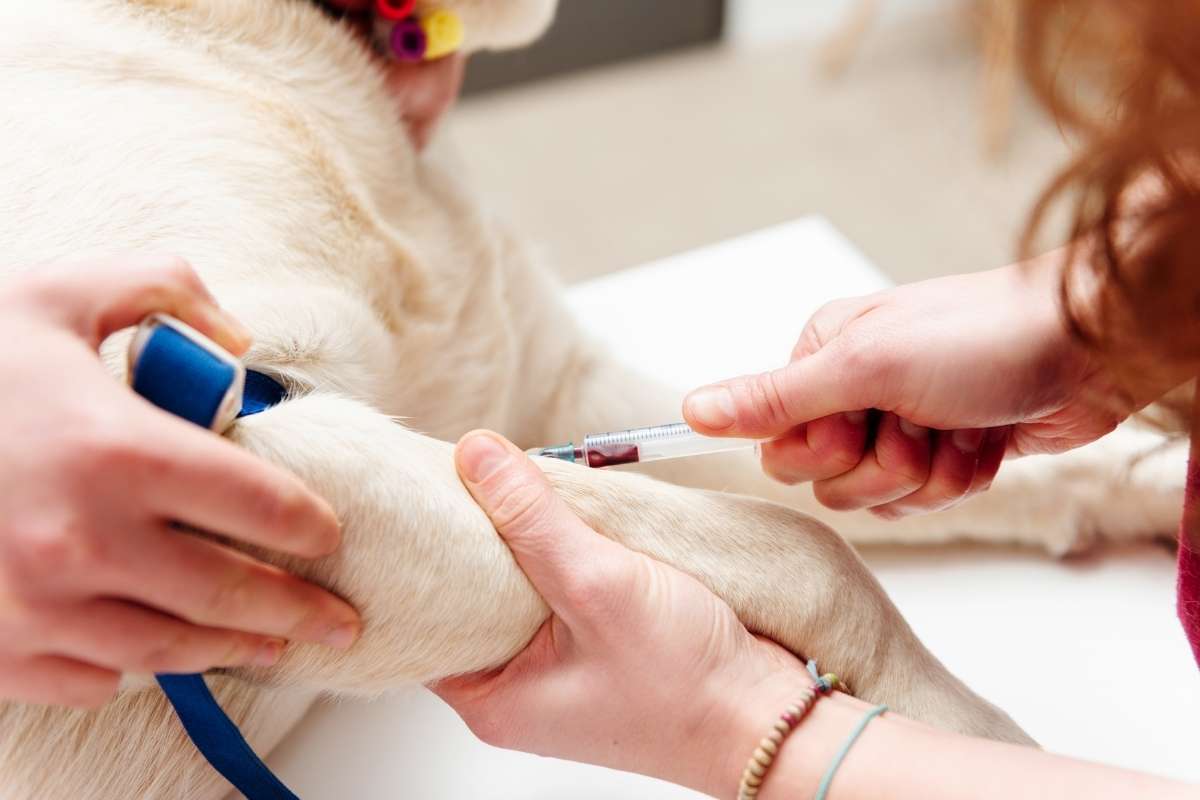
Depending on the findings, our team may recommend bloodwork, urinalysis, blood pressure assessment, or imaging to investigate possible causes. Our senior pet care approach emphasizes regular exams and screening, so other treatable conditions are not overlooked. Cognitive dysfunction is considered after reasonable alternative explanations have been assessed.
Small Changes at Home That May Help
A predictable routine can make daily life less stressful for a confused pet. Consider these adjustments while following your veterinarian’s advice:
- Keep familiar arrangements: Leave food bowls, beds, and litter boxes in their usual locations.
- Improve nighttime visibility: Use night lights to make hallways easier to navigate.
- Encourage gentle mental activity: Offer short play sessions or simple food puzzles without causing frustration.
- Make movement easier: Add nonslip surfaces, ramps, or low-entry litter boxes if mobility is difficult.
- Monitor behavior: Record unusual episodes and take short videos to share at appointments.
Some dogs may benefit from a veterinarian-recommended diet or medication, depending on their diagnosis. There is no cure that reliably reverses cognitive dysfunction, but early support may help preserve comfort and daily function.
Help Your Senior Pet Feel Secure Again
Aging may change how your companion experiences the world, but growing confusion should never be ignored. Recognizing unusual behavior early gives our vets a chance to investigate underlying illness and recommend practical ways to support your pet’s daily comfort.
If your older dog or cat seems lost, restless, or unlike themselves, contact our veterinary practice in Salinas at 831-484-9744 to schedule an examination. We are here to help you understand the changes and make each day easier for the pet who has shared so many years with you.
Frequently Asked Questions
Q1. Is occasional confusion normal in a senior dog?
Ans. A brief unusual moment does not establish dementia. Repeated confusion, nighttime pacing, or forgotten routines should prompt an examination. Our vets can look for other health problems before discussing cognitive decline.
Q2. Why does my older cat suddenly meow at night?
Ans. Nighttime calling may accompany cognitive dysfunction, but pain, thyroid disease, high blood pressure, or impaired senses can also contribute. A veterinary assessment is needed to identify the cause.
Q3. Can cognitive dysfunction be cured?
Ans. There is currently no reliable cure. However, veterinary guidance, environmental changes, and selected treatments may reduce certain signs or help pets maintain their quality of life.
Q4. Where can I get my senior dog checked for confusion in Salinas?
Ans. At Toro Park Animal Hospital in Salinas, our vets can assess behavior changes, examine your dog, and discuss appropriate testing to identify possible medical causes.
Q5. Can a Salinas veterinarian help if my older cat stops using the litter box?
Ans. Yes. At Toro Park Animal Hospital, we can investigate concerns such as pain, urinary disease, and age-related behavior changes before recommending next steps for your cat.
Q6. How can I arrange an evaluation for my aging pet in Salinas?
Ans. Contact Toro Park Animal Hospital to schedule a senior wellness visit. Bringing notes or videos of unfamiliar behavior can help our veterinary team understand what happens at home.