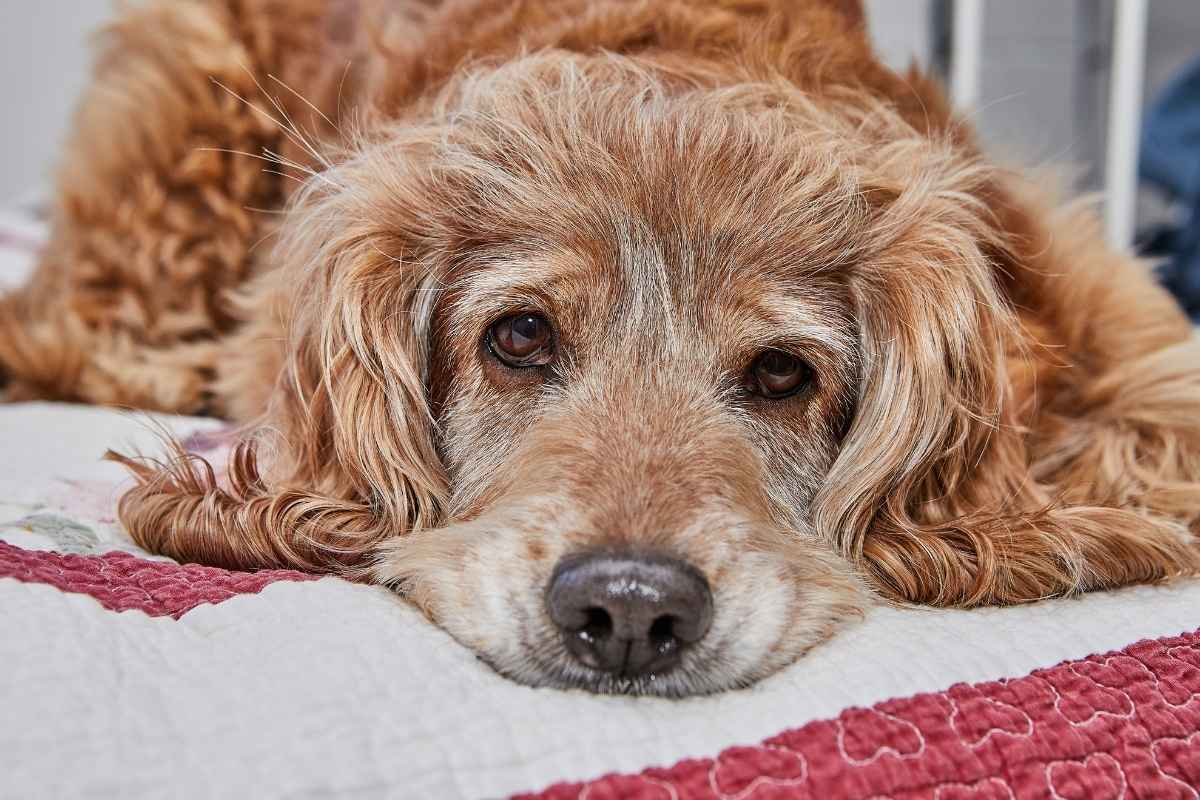
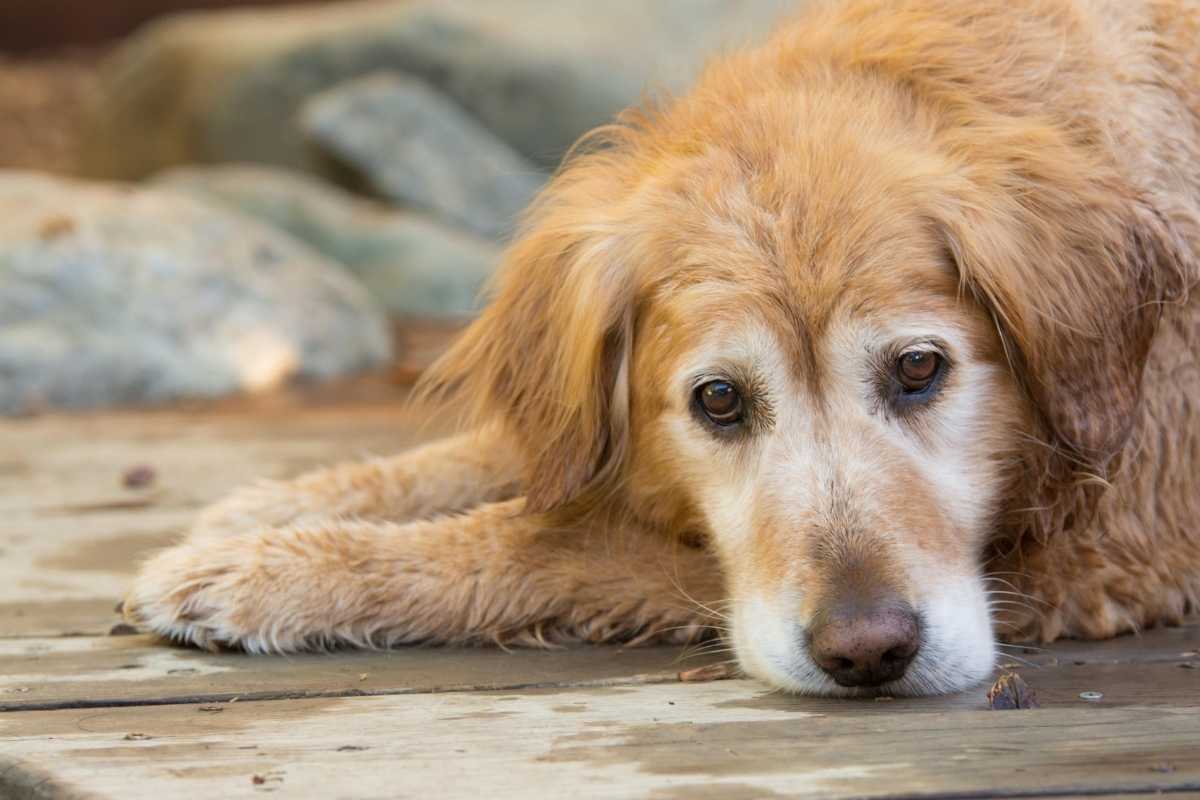
Same Day Appointments Available


How to Create a Gentle Daily Routine for a Senior Dog
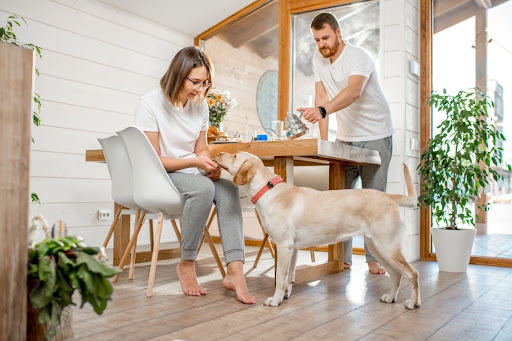
As dogs grow older, their daily needs often change. A routine that once included long walks, energetic play, and busy outings may no longer suit an aging dog. Senior dogs may need more rest, gentler exercise, easier access to food and water, and additional support for comfort and mobility. Creating a calm daily routine can help an older dog feel secure while supporting their changing physical and emotional needs.
A senior dog may still enjoy many of the activities they loved when they were younger, but the way you provide those activities may need to change. For example, instead of one long walk, several short walks may be easier on aging joints. Likewise, gentle games and enrichment can provide mental stimulation without placing unnecessary stress on the body.
Consistency is particularly valuable for older dogs. Predictable meal times, bathroom breaks, exercise, rest, and bedtime can help reduce unnecessary stress and make the day easier to navigate. At the same time, flexibility matters because your dog’s energy, comfort, and mobility may vary from one day to another.
If you need guidance about your aging dog’s changing needs, your veterinarian can help you develop an appropriate senior dog care and wellness plan. They can also help determine whether changes in mobility, appetite, sleep, or behavior are part of normal aging or may require further evaluation.
Why Does a Senior Dog Need a Different Routine?
Aging can affect nearly every aspect of a dog’s daily life. Older dogs may experience changes in mobility, sensory abilities, sleep patterns, metabolism, digestion, and energy levels.
Some senior dogs may:
- Sleep more frequently
- Tire more easily
- Need more frequent bathroom breaks
- Have difficulty climbing stairs
- Take longer to stand up
- Become sensitive to extreme temperatures
- Experience changes in appetite
- Show reduced interest in vigorous play
- Develop age-related health conditions
These changes do not mean your dog has stopped enjoying life. Instead, they indicate that their routine may need to become more comfortable and manageable.
The goal is to provide enough activity and stimulation to maintain quality of life without pushing your dog beyond their physical limits.
Start the Morning Slowly
A gentle morning can set the tone for the entire day.
When your senior dog wakes up, give them time to stretch and get comfortable before encouraging movement. Older dogs may experience stiffness after sleeping, particularly if they have joint problems.
Avoid rushing them outside immediately. Instead, allow them to stand at their own pace and provide assistance if your veterinarian recommends it.
Once your dog is ready, take them outside for a calm bathroom break. Keep the path clear and use a non-slip surface if necessary.
If your dog struggles with stairs, consider discussing safer alternatives with your veterinary team.
Establish Consistent Mealtimes
Older dogs often benefit from predictable feeding schedules.
Feed your dog at approximately the same times each day unless your veterinarian recommends a different schedule.
Consistent mealtimes can make it easier to monitor appetite. This becomes especially important for senior dogs because changes in eating habits can sometimes indicate health concerns.
Pay attention to:
- How much your dog eats
- How quickly they eat
- Changes in food preferences
- Difficulty chewing
- Increased or decreased thirst
- Weight changes
If your dog’s appetite changes suddenly or persists for more than a short period, contact your veterinarian.
Your veterinarian can also determine whether your senior dog would benefit from a specific diet based on their age, weight, activity level, and health status.
Include Gentle Morning Exercise
Exercise remains important for senior dogs, but intensity often needs to decrease.
Instead of encouraging strenuous activity, consider short, controlled walks.
Allow your dog to move at a comfortable pace. Let them sniff and explore when appropriate because sniffing provides mental stimulation as well as physical activity.
Watch for signs that your dog needs a break, such as:
- Excessive panting
- Lagging behind
- Limping
- Reluctance to continue
- Frequent sitting or lying down
- Difficulty getting up
If these signs occur regularly, discuss them with your veterinarian.
Provide Mental Stimulation
Physical activity is only one part of a senior dog’s daily routine. Mental enrichment remains important as dogs age.
Simple activities can stimulate your dog’s mind without requiring intense movement.
Try:
- Food puzzles appropriate for senior dogs
- Gentle scent games
- Short training sessions
- Sniffing walks
- Safe chew activities
- Interactive toys
- Searching for treats around an accessible area
Keep activities short and adjust them based on your dog’s abilities.
For example, a senior dog with mobility limitations may enjoy scent-based games more than physically demanding games of fetch.
Schedule Plenty of Rest
Older dogs typically need more recovery time than younger dogs.
Instead of expecting your dog to remain active throughout the day, create several opportunities for uninterrupted rest.
Provide a comfortable bed in a quiet area away from heavy household traffic. Orthopedic bedding may be useful for some senior dogs, particularly those with joint discomfort.
However, your dog should not remain inactive all day unless your veterinarian specifically recommends significant restriction.
Gentle movement throughout the day can help maintain mobility and prevent excessive stiffness.
Make Bathroom Breaks Predictable
Senior dogs may need to go outside more frequently than they did when they were younger.
A predictable bathroom schedule can help prevent accidents and make your dog more comfortable.
Take your dog outside after waking, after meals, after activity, and before bedtime. You may also need additional breaks depending on your dog’s health and medication schedule.
Never punish an older dog for accidents. Changes in bladder or bowel habits can have medical causes, so discuss recurring accidents with your veterinarian.
Create a Comfortable Home Environment
Your dog’s environment should support their changing physical abilities.
Use Non-Slip Flooring
Hard, slippery floors can be challenging for older dogs.
Place rugs or non-slip mats in areas where your dog frequently walks. This can provide additional traction and reduce the risk of slipping.
Reduce Stair Use
If your dog struggles with stairs, limit access when possible.
Depending on your home, ramps, gates, or other modifications may help create safer pathways.
Keep Essentials Accessible
Place food, water, bedding, and frequently used items where your dog can reach them without excessive walking or climbing.
Maintain Comfortable Temperatures
Senior dogs may become more sensitive to heat and cold. Provide a comfortable resting environment and avoid exposing your dog to extreme temperatures.
Include Gentle Social Interaction
Senior dogs still benefit from positive social experiences.
Spend quiet time together. Sit beside your dog, gently groom them if they enjoy it, or simply allow them to remain near you.
Pay attention to body language. Some older dogs become less tolerant of excessive handling, particularly if they experience joint discomfort.
Let your dog choose when possible.
Respecting their boundaries can strengthen trust and make daily interactions more enjoyable.
Keep Grooming Comfortable
Regular grooming can support skin and coat health while providing an opportunity to check your senior dog for changes.
Brush your dog gently and use appropriate grooming tools.
During grooming, look for:
- Skin irritation
- New lumps
- Changes in coat texture
- Parasites
- Unusual odors
- Sensitive areas
- Wounds
If you notice anything unusual, discuss it with your veterinarian.
For dogs with mobility issues, grooming sessions may need to be shorter because standing for long periods can be tiring.
Build a Predictable Afternoon Routine
The afternoon can focus on rest, enrichment, and gentle interaction.
After your dog’s morning activity, allow plenty of downtime. Later, offer a short enrichment activity or a brief walk if your dog remains comfortable.
You do not need to fill every hour with activities.
In fact, a senior dog may appreciate a calm afternoon spent resting near family members.
Adjust Exercise Based on Your Dog’s Condition
There is no universal exercise schedule for senior dogs.
A healthy older dog may comfortably walk for longer periods, while another senior dog may need several short outings.
Your dog’s age alone should not determine their activity level.
Instead, consider:
- Mobility
- Body condition
- Existing health conditions
- Energy level
- Exercise history
- Recovery after activity
If your dog becomes noticeably stiffer after exercise, reduce the intensity and discuss the change with your veterinarian.
Make Evening Meals Consistent
Maintaining a predictable evening meal can help your dog anticipate the next stage of the day.
Continue monitoring appetite and eating behavior.
If your senior dog has dental issues or difficulty chewing, ask your veterinarian whether a change in food texture or diet would be appropriate.
Never make significant dietary changes without considering your dog’s individual nutritional needs.
Create a Calm Bedtime Routine
A consistent bedtime routine can help your senior dog settle comfortably.
Take your dog outside for a final bathroom break, provide access to water as appropriate, and make sure their sleeping area remains comfortable.
Some senior dogs may wake during the night because of discomfort, anxiety, increased urination, or other health changes.
If nighttime restlessness becomes frequent, discuss it with your veterinarian rather than assuming it is simply a normal part of aging.
Monitor Changes in Your Senior Dog
One of the biggest benefits of following a consistent routine is that it makes changes easier to notice.
Because you know your dog’s normal schedule, you may recognize when something is different.
Pay attention to changes in:
- Appetite
- Water intake
- Weight
- Mobility
- Sleep
- Bathroom habits
- Grooming
- Hearing
- Vision
- Behavior
- Energy level
Even subtle changes can provide useful information for your veterinarian.
Support Your Senior Dog’s Health With Preventive Care
A gentle daily routine works best when it complements appropriate veterinary care.
Regular wellness examinations allow your veterinarian to monitor changes associated with aging and identify potential problems.
Senior dogs may benefit from more frequent examinations depending on their health status.
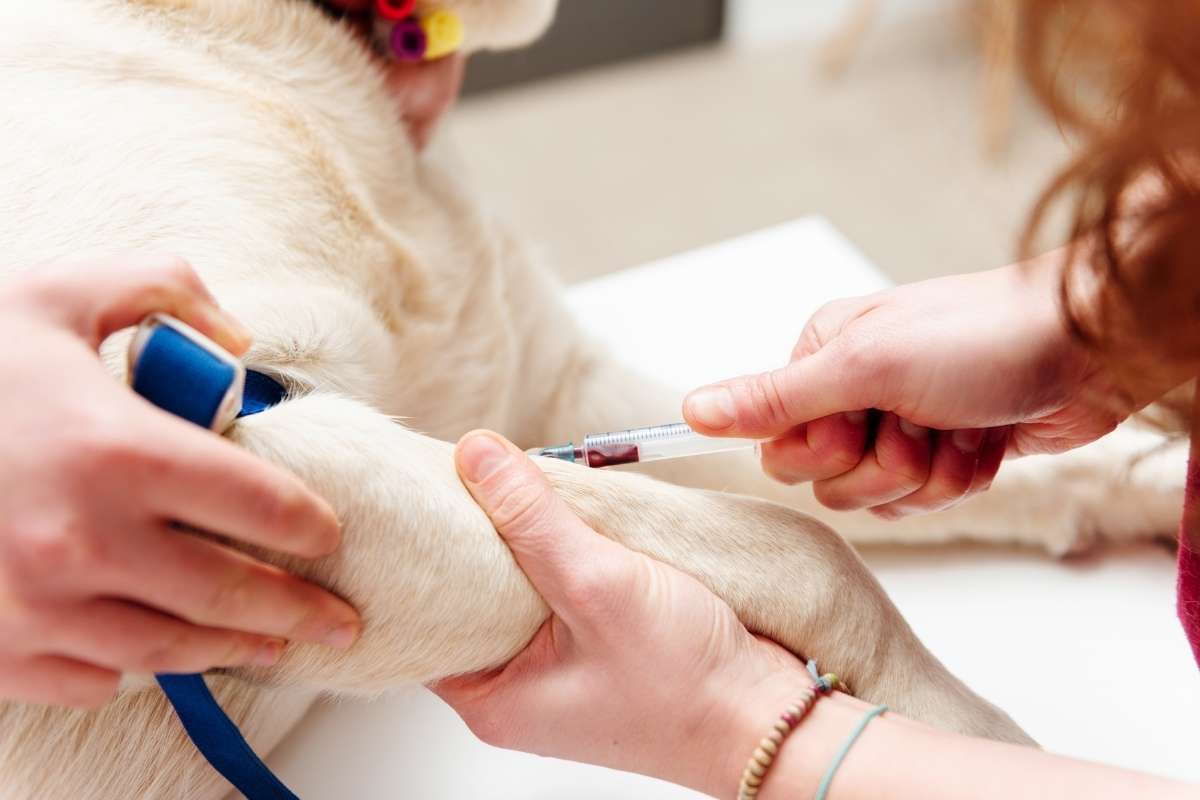
Bloodwork, urine testing, dental evaluations, weight assessments, and other diagnostics may also be recommended based on your dog’s individual needs.
How to Make the Routine Flexible
A routine should provide structure without becoming rigid.
Your senior dog may have energetic days and quieter days. Weather, health, sleep, and other factors can influence how much activity your dog wants.
Therefore, use the routine as a framework rather than a strict schedule.
If your dog seems tired, provide more rest. If they feel comfortable and energetic, offer appropriate additional enrichment.
The goal is to respond to your dog’s needs while maintaining familiar daily patterns.
Veterinary Guidance for Aging Dogs
As your dog enters their senior years, professional guidance can help you adapt their routine safely. Toro Park Animal Hospital can help evaluate changes in mobility, appetite, behavior, weight, and overall wellness and provide recommendations based on your dog’s individual needs.
Do not wait until your dog develops a major problem before discussing noticeable changes. Early evaluation can help identify potential health concerns and provide opportunities to support comfort and quality of life.
Creating a gentle daily routine for a senior dog is about balance. Older dogs still need movement, mental stimulation, social interaction, and opportunities to enjoy life. However, they may need these activities in shorter, calmer, and more predictable forms.
Start the day slowly, maintain consistent meals, provide gentle exercise, schedule plenty of rest, and make your home easier to navigate. At the same time, monitor changes in appetite, mobility, sleep, bathroom habits, and behavior.
Most importantly, adjust the routine as your dog’s needs change. A plan that works today may need modification later.
With patience, observation, environmental adjustments, and regular veterinary support, you can help your senior dog enjoy a comfortable and enriching daily life.
If you have noticed changes in your aging dog’s routine, mobility, or comfort, contact us at Toro Park Animal Hospital to discuss an appropriate care plan for your senior companion.
Frequently Asked Questions
Q1. How do I create a daily routine for my senior dog?
Ans: Build a predictable schedule around meals, bathroom breaks, gentle exercise, mental enrichment, rest, and bedtime. Adjust the routine according to your dog’s health, mobility, energy level, and individual needs.
Q2. How much exercise does a senior dog need each day?
Ans: The appropriate amount varies by the dog’s health, age, breed, mobility, and fitness level. Many senior dogs benefit from short, gentle walks rather than strenuous exercise. Ask your veterinarian for individualized recommendations.
Q3. Do senior dogs need more rest?
Ans: Yes, many older dogs naturally sleep and rest more than younger dogs. However, they still benefit from appropriate movement and mental stimulation unless a veterinarian recommends activity restriction.
Q4. How can I make my home safer for an older dog?
Ans: Use non-slip mats, limit access to difficult stairs, provide comfortable bedding, keep essential items accessible, and maintain a comfortable temperature. These changes can make daily movement easier for an aging dog.
Q5. Why is my senior dog waking up at night?
Ans: Nighttime restlessness can have several possible causes, including discomfort, increased urination, anxiety, sensory changes, or underlying health conditions. Frequent or sudden nighttime changes should be discussed with a veterinarian.
Q6. When should I take my senior dog to the veterinarian?
Ans: Schedule a veterinary evaluation if you notice persistent changes in appetite, thirst, weight, mobility, bathroom habits, sleep, grooming, behavior, or energy. Regular wellness examinations are also important as dogs age.