Same Day Appointments Available


What to Do Immediately After Your Dog Is Hit by a Vehicle
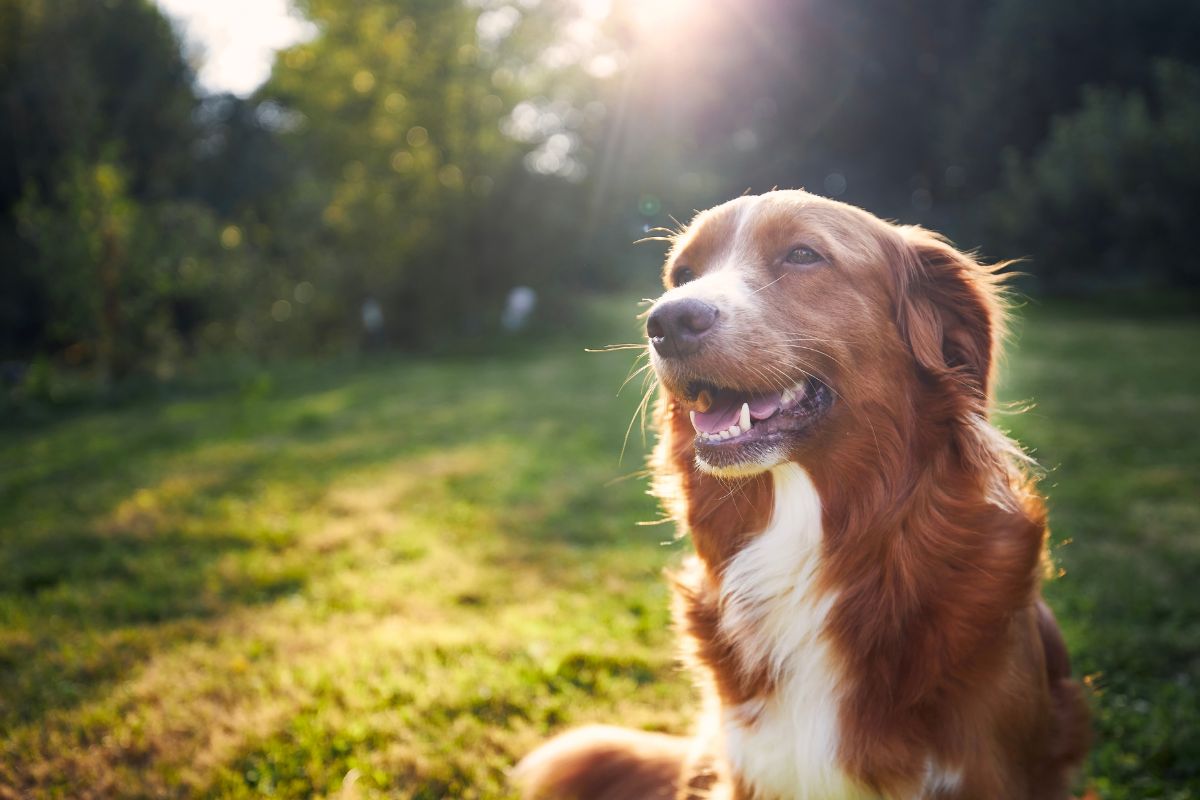
Few situations are more frightening for a pet owner than seeing their dog struck by a vehicle. Even if your dog appears to stand up and walk away, serious internal injuries may not be immediately visible. Acting quickly and staying as calm as possible can make a significant difference in your dog’s outcome while helping prevent further injury.
Knowing what steps to take before arriving at a veterinary hospital can help protect your pet and ensure they receive the care they need without unnecessary delays. If you ever find yourself in this situation, seeking urgent pet care as soon as possible is one of the most important decisions you can make.
Stay Calm and Prioritize Safety
Your first instinct may be to run toward your dog immediately, but take a moment to assess your surroundings first.
If the accident occurred on a busy road:
- Move yourself to a safe location before approaching your dog.
- Watch for oncoming traffic.
- Ask someone nearby to help direct vehicles if it is safe to do so.
- Avoid creating additional hazards for yourself or others.
Once the area is safe, carefully approach your dog.
Be Cautious Around an Injured Dog
Even the gentlest dog may react unpredictably when frightened or in pain.
An injured dog may:
- Bite unexpectedly
- Growl or snap
- Attempt to run away
- Hide under nearby vehicles
- Become disoriented
Speak softly and move slowly. Avoid sudden movements that could increase fear or worsen injuries.
If your dog is conscious and allows handling, gently place a leash around their neck if one is available. If your dog has difficulty breathing or has facial injuries, avoid placing a muzzle over their mouth.
Check for Life-Threatening Problems
Before moving your dog, perform a quick visual assessment.
Look for signs such as:
- Difficulty breathing
- Heavy bleeding
- Unresponsiveness
- Obvious broken bones
- Pale or white gums
- Collapse
- Seizures
These signs indicate your dog requires immediate veterinary evaluation.
Do Not Assume Your Dog Is Fine
Some dogs instinctively run or walk after being hit because of adrenaline.
However, hidden injuries may include:
- Internal bleeding
- Lung trauma
- Bladder injuries
- Head trauma
- Fractures
- Spinal injuries
Even if your dog appears alert, they should still be examined promptly.
Control Severe Bleeding If Possible
If your dog has an open wound with active bleeding:
- Apply firm, gentle pressure using a clean towel or cloth.
- Continue applying pressure until veterinary care is available.
- Avoid removing blood-soaked cloths repeatedly, as this may disrupt clot formation.
- If additional absorbent material is needed, place it over the original dressing.
Do not attempt to clean deep wounds before traveling to the veterinary hospital.
Minimize Movement
Moving an injured dog incorrectly can worsen fractures or spinal injuries.
Whenever possible:
- Use a sturdy board, blanket, or large towel as a stretcher.
- Support the entire body.
- Keep the neck and spine as straight as possible.
- Have another person assist with lifting.
Small dogs can often be wrapped gently in a thick towel for added support.
Keep Your Dog Warm
Shock commonly develops after traumatic injuries.
Signs of shock include:
- Weakness
- Rapid breathing
- Cold legs
- Pale gums
- Confusion
- Collapse
Cover your dog with a light blanket or towel to help maintain body temperature during transport. Avoid overheating your pet.
Contact the Veterinary Hospital While Traveling
Calling ahead allows the veterinary team to prepare for your arrival and provide guidance during transport.
Be prepared to share:
- Your dog’s age and breed
- What happened
- Visible injuries
- Whether your dog is conscious
- Estimated arrival time
Providing this information allows the medical team to organize the appropriate equipment and personnel before you arrive.
Avoid Giving Food, Water, or Medication
Although it may seem helpful, do not offer food or water immediately after a traumatic accident.
Your dog may require:
- Sedation
- Diagnostic imaging
- Surgery
- Pain management
A full stomach can complicate certain procedures.
Likewise, never administer human pain medications unless specifically instructed by a veterinarian, as many common medications are toxic to dogs.
Common Injuries After Being Hit by a Vehicle
Vehicle accidents can result in a wide range of injuries.
Some of the most common include:
Soft Tissue Injuries
Bruising, muscle damage, and skin wounds may be visible immediately or develop over several hours.
Broken Bones
Fractures frequently affect the legs, pelvis, ribs, or jaw.
Signs include:
- Limping
- Swelling
- Inability to bear weight
- Abnormal limb position
Internal Bleeding
Internal bleeding cannot always be seen externally but may quickly become life-threatening.
Watch for:
- Weakness
- Rapid breathing
- Pale gums
- Collapse
Head Injuries
Head trauma may cause:
- Confusion
- Unequal pupil size
- Seizures
- Loss of consciousness
- Difficulty walking
Chest Injuries
Damage to the lungs or chest cavity may interfere with breathing and requires prompt evaluation.
Diagnostic Tests Your Veterinarian May Recommend
After your dog’s physical examination, the veterinary team may recommend diagnostic testing to identify injuries that are not immediately visible.
These may include:
- Digital X-rays
- Ultrasound
- Blood work
- Blood pressure monitoring
- Neurological examination
- Oxygen monitoring
Early diagnosis helps guide the most appropriate treatment plan.
Treatment Depends on the Severity of the Injury
Every accident is different, and treatment recommendations vary depending on the injuries involved.
Treatment may include:
- Pain management
- Fluid therapy
- Wound care
- Fracture stabilization
- Oxygen support
- Surgery
- Ongoing monitoring
The primary goal is to stabilize your dog while addressing both visible and hidden injuries.
Caring for Your Dog After Returning Home
Recovery often continues after your dog leaves the hospital.
Follow all discharge instructions carefully.
This may include:
- Restricting activity
- Administering prescribed medications
- Monitoring appetite
- Checking incision or wound sites
- Attending follow-up appointments
Avoid allowing your dog to jump, run, or play until cleared by your veterinarian.
Preventing Future Vehicle Accidents
While accidents cannot always be prevented, several precautions reduce the risk.
Helpful safety measures include:
- Always use a leash outdoors.
- Install secure fencing around your yard.
- Keep gates closed.
- Use pet seatbelt restraints when traveling.
- Train a reliable recall command.
- Avoid distractions during walks near roads.
Simple preventive habits can greatly reduce your dog’s chances of being involved in a traffic accident.
Quick Action Can Make a Difference
A vehicle accident is frightening, but staying calm and responding quickly gives your dog the best opportunity for a positive outcome. Never assume your pet is unharmed simply because they are standing or walking after the incident. Hidden injuries are common, and early veterinary evaluation is essential for identifying and treating potentially serious conditions before they worsen.
If your dog has been hit by a vehicle, every minute matters. Prompt evaluation and treatment can help identify injuries that may not be immediately visible and improve your dog’s chances of recovery. If you’re in Salinas, CA, or nearby communities, including Monterey, Marina, Seaside, Carmel, and the surrounding area, and your pet needs immediate medical attention, contact Toro Park Animal Hospital right away at 831-484-9744 for guidance and prompt veterinary care. Our experienced team is here to support your pet when they need it most.
FAQs
Q1. Should I take my dog to a veterinarian even if they seem fine after being hit by a vehicle?
Ans: Yes. Dogs often mask pain, and serious internal injuries or fractures may not be immediately visible. A prompt veterinary examination is recommended even if your dog appears normal.
Q2. Can I move my dog after a vehicle accident?
Ans: Yes, but move them carefully. Support the entire body using a blanket, towel, or sturdy board whenever possible to reduce the risk of worsening injuries.
Q3. Should I give my dog food or water before going to the veterinary hospital?
Ans: No. Your dog may require sedation, imaging, or surgery, and having food or water in their stomach could complicate treatment.
Q4. What signs indicate my dog needs immediate veterinary care after being hit by a vehicle?
Ans: Difficulty breathing, heavy bleeding, collapse, pale gums, seizures, inability to stand, or obvious fractures all require immediate veterinary attention.
Q5. Can internal injuries occur even if there are no visible wounds?
Ans: Yes. Internal bleeding, lung injuries, and organ damage are common after vehicle accidents and may not be obvious without a veterinary examination.
Q6. How can I reduce the risk of my dog being hit by a vehicle?
Ans: Keep your dog on a leash during walks, maintain secure fencing, use pet restraints in vehicles, supervise outdoor activities, and reinforce recall training to help prevent accidents.