Same Day Appointments Available


Vet-Approved Senior Dog Care Checklist (Ages 7 and Up)
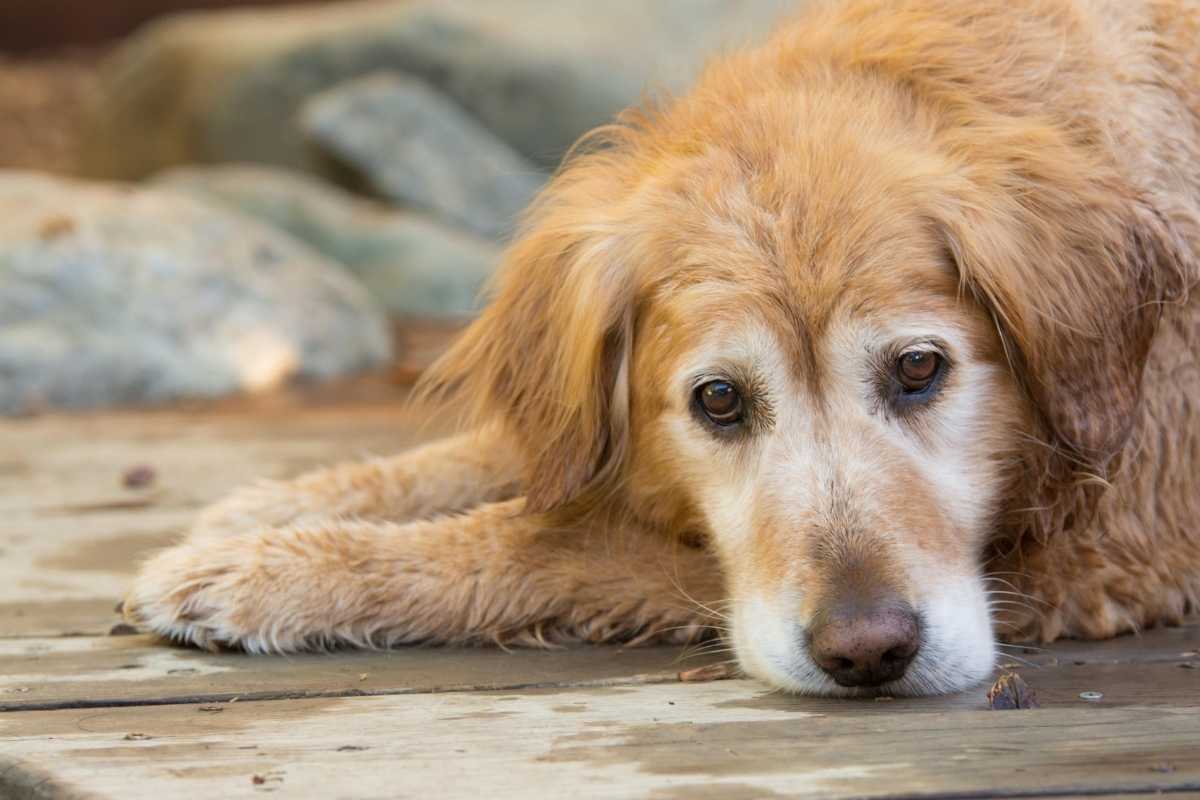
As dogs enter their senior years, their healthcare needs begin to change. While many dogs remain active and happy well into their golden years, aging can bring new challenges that require extra attention from pet owners.
This senior dog care checklist covers the essential steps to help dogs aged 7 and up maintain their health, comfort, and quality of life. From nutrition and exercise to routine screenings and home adjustments, these vet-approved recommendations can help your senior companion thrive.
When is a Dog Considered a Senior?
The age at which a dog is considered a senior varies based on breed and size.
Generally:
- Small dogs are considered seniors around 8 to 10 years old
- Medium-sized dogs often reach senior status around 7 to 9 years old
- Large and giant breeds may be considered seniors as early as 6 to 7 years old
Even healthy senior dogs benefit from increased monitoring and preventive care.
Why Senior Dog Care Matters
As dogs age, they become more susceptible to certain health conditions.
These may include:
- Arthritis
- Dental disease
- Heart disease
- Kidney disease
- Vision changes
- Cognitive decline
A proactive approach can help identify concerns early and improve long-term outcomes.
Checklist Item #1: Schedule Regular Wellness Exams
Routine wellness visits become increasingly important during the senior years.
More frequent exams may help detect:
- Weight changes
- Organ dysfunction
- Joint issues
- Early disease signs
Many senior dogs benefit from wellness evaluations every six months rather than once per year.
Checklist Item #2: Monitor Weight Closely
Weight changes can indicate underlying health concerns.
Both weight gain and weight loss should be monitored carefully.
Maintaining a healthy weight can help:
- Reduce joint stress
- Improve mobility
- Support heart health
- Enhance overall wellbeing
Regular weigh-ins allow owners to identify changes early.
Checklist Item #3: Feed a Senior an Appropriate Diet
Nutritional needs often change with age.
Senior diets may be formulated to support:
- Joint health
- Weight management
- Digestive health
- Muscle maintenance
Discuss dietary adjustments if your dog’s activity level or health status changes.
Checklist Item #4: Keep Your Dog Active
Exercise remains important even as dogs age.
Benefits include:
- Improved mobility
- Better weight control
- Mental stimulation
- Muscle maintenance
Activities should be tailored to your dog’s physical abilities.
Low-impact options such as walking and swimming are often beneficial for senior pets.
Checklist Item #5: Prioritize Dental Health
Dental disease is extremely common in older dogs.
Signs of dental problems may include:
- Bad breath
- Difficulty eating
- Drooling
- Red gums
- Loose teeth
Routine dental care helps support overall health and comfort.
Checklist Item #6: Watch for Mobility Changes
Joint stiffness and arthritis are common in senior dogs.
Watch for signs such as:
- Difficulty standing
- Reluctance to jump
- Slower walks
- Trouble climbing stairs
Early intervention can help maintain comfort and mobility.
Checklist Item #7: Monitor Vision and Hearing
Age-related changes in vision and hearing may develop gradually.
Common signs include:
- Bumping into objects
- Reduced responsiveness
- Startling easily
- Difficulty locating toys
Simple adjustments at home can help senior dogs adapt to sensory changes.
Checklist Item #8: Check for Lumps and Bumps
Regularly examining your dog at home can help identify abnormalities.
Monitor for:
- New lumps
- Changes in existing growths
- Swelling
- Skin changes
Any unusual findings should be evaluated promptly. While not every lump requires surgery, some masses, growths, or tumors may need further evaluation and treatment, including surgical removal when recommended.
Checklist Item #9: Keep Up With Preventive Care
Senior dogs still require protection from preventable diseases and parasites.
Preventive care may include:
- Vaccinations
- Heartworm prevention
- Flea control
- Tick prevention
- Routine screenings
Maintaining preventive care supports long-term health.
Checklist Item #10: Watch for Behavioral Changes
Changes in behavior may signal underlying health issues.
Pay attention to:
- Increased anxiety
- Confusion
- Sleep pattern changes
- House soiling
- Reduced interaction
Behavioral changes should never be dismissed as normal aging without evaluation.
Checklist Item #11: Monitor Water Consumption
Changes in drinking habits can indicate medical concerns.
Excessive thirst may be associated with conditions such as:
- Diabetes
- Kidney disease
- Hormonal disorders
Tracking water intake can provide valuable information during wellness visits.
Checklist Item #12: Provide Mental Enrichment
Mental stimulation remains important throughout a dog’s life.
Consider activities such as:
- Puzzle toys
- Gentle training sessions
- Food enrichment games
- Interactive play
Keeping the mind active may help support cognitive health.
Checklist Item #13: Make Home Adjustments
Simple modifications can improve comfort and safety.
Helpful changes may include:
- Non-slip rugs
- Orthopedic bedding
- Pet ramps
- Elevated food bowls
These adjustments can make daily activities easier for aging pets.
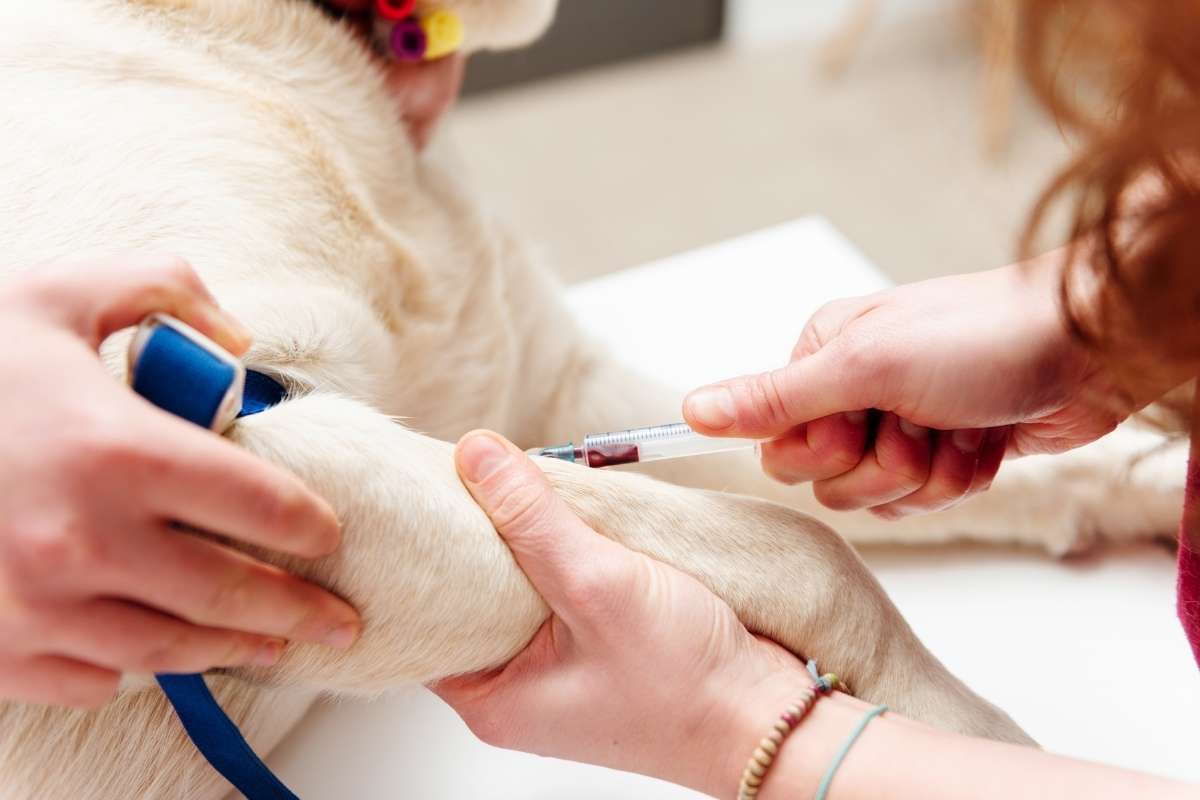
Checklist Item #14: Consider Routine Diagnostic Testing
As dogs age, routine laboratory testing becomes increasingly valuable.
Screening tests may help identify:
- Kidney disease
- Liver disease
- Diabetes
- Thyroid disorders
Many conditions can be managed more effectively when detected early.
A trusted veterinarian may recommend senior wellness screenings based on your dog’s age, breed, lifestyle, and overall health status.
Checklist Item #15: Pay Attention to Quality of Life
One of the most important aspects of senior care is monitoring overall quality of life.
Ask yourself:
- Is my dog comfortable?
- Are they enjoying daily activities?
- Are they eating and drinking normally?
- Do they seem happy and engaged?
Regular observation helps ensure your dog continues to enjoy a fulfilling life.
Helping Your Senior Dog Enjoy Every Year
Growing older does not mean your dog cannot continue living a happy and active life. By focusing on preventive care, proper nutrition, exercise, dental health, mobility support, and regular health monitoring, you can help your senior companion stay comfortable and healthy throughout their golden years.
For professional senior dog wellness and preventive care services in Salinas, book an appointment with Toro Park Animal Hospital. Our team is dedicated to helping aging pets maintain the best possible quality of life through every stage of their senior years.
FAQs
Q1: At what age is a dog considered a senior?
Ans. Most dogs are considered seniors around age 7, although larger breeds may reach senior status earlier than smaller breeds.
Q2: How often should senior dogs visit the vet?
Ans. Many senior dogs benefit from wellness exams every six months to monitor for age-related health concerns.
Q3: What health problems are common in senior dogs?
Ans. Common conditions include arthritis, dental disease, heart disease, kidney disease, vision changes, and cognitive decline.
Q4: Should senior dogs still exercise regularly?
Ans. Yes. Regular low-impact exercise helps maintain mobility, muscle strength, mental health, and weight control.
Q5: Why are senior wellness screenings important?
Ans. Routine screenings can help detect diseases early, often before noticeable symptoms develop, allowing for more effective treatment and management.