Same Day Appointments Available


What Blood Tests Can Reveal About Your Aging Pet’s Hidden Health Problems
As pets grow older, subtle health changes can develop long before obvious symptoms appear. Many senior dogs and cats continue acting relatively normal while underlying medical conditions slowly progress beneath the surface. Because aging pets are more vulnerable to chronic illnesses, routine blood testing becomes an important part of preventive veterinary care.
Blood tests allow veterinarians to evaluate internal organ function, identify abnormalities, and detect diseases early when treatment options may be more effective. In many cases, laboratory screening helps uncover hidden health concerns before pets show visible signs of illness. Early diagnosis can improve quality of life and help pets remain comfortable and active as they age.
At Toro Park Animal Hospital, veterinary teams often recommend routine wellness bloodwork for senior pets to monitor changes that may otherwise go unnoticed. Understanding what blood tests reveal can help pet owners make informed decisions about their aging pet’s long-term health.
For pet owners in Salinas, CA, proactive wellness testing can play an important role in supporting healthier aging and identifying medical problems before they become more advanced.
Why Blood Tests Matter for Aging Pets
As pets age, the risk of chronic disease increases. Conditions affecting the kidneys, liver, thyroid, pancreas, heart, and immune system may develop gradually without clear symptoms during the early stages.
Routine blood testing helps veterinarians:
- Detect disease earlier
- Monitor organ function
- Evaluate medication safety
- Identify infections or inflammation
- Track chronic conditions over time
Senior pets often benefit from more frequent wellness screening because aging can accelerate health changes.
Common Blood Tests for Senior Pets
Complete Blood Count (CBC)
A CBC evaluates red blood cells, white blood cells, and platelets.
This test may help identify:
- Anemia
- Infection
- Inflammation
- Immune disorders
- Blood clotting problems
Changes in blood cell counts may provide important clues about underlying illness.
Blood Chemistry Panel
Chemistry testing evaluates organ function and electrolyte balance.
This panel commonly assesses:
- Kidney function
- Liver enzymes
- Blood sugar levels
- Protein balance
- Electrolytes
Abnormal values may indicate early disease even when pets appear healthy.
Thyroid Testing
Older pets, especially cats, may develop thyroid disorders.
Hyperthyroidism in cats may cause:
- Weight loss
- Increased appetite
- Hyperactivity
- Vomiting
- Elevated heart rate
Thyroid blood testing helps identify hormonal imbalances that affect metabolism and overall health.
Hidden Health Problems Blood Tests May Detect
Kidney Disease
Kidney disease is one of the most common illnesses affecting older pets. Early kidney disease may not cause visible symptoms right away.
Bloodwork can help detect:
- Elevated kidney values
- Dehydration
- Electrolyte imbalances
- Reduced kidney function
Early diagnosis may help slow disease progression through dietary management and monitoring.
Diabetes
Blood glucose testing may identify diabetes before severe complications develop.
Common signs of diabetes include:
- Increased thirst
- Frequent urination
- Weight loss
- Increased appetite
Routine testing helps veterinarians diagnose and manage diabetes earlier.
Liver Disease
Liver problems may develop silently in aging pets. Blood chemistry testing often reveals elevated liver enzymes before visible symptoms occur.
Early detection may help veterinarians investigate:
- Infections
- Inflammation
- Toxin exposure
- Liver dysfunction
Infections and Inflammation
Changes in white blood cell counts can suggest infections, inflammation, or immune system disorders.
Additional testing may be recommended depending on the results and the pet’s symptoms.
How Often Should Senior Pets Have Bloodwork?
Many veterinarians recommend annual wellness blood testing for adult pets and more frequent screening for senior animals.
Factors affecting testing frequency may include:
- Age
- Breed
- Existing medical conditions
- Medication use
- Previous test results
Some senior pets benefit from blood testing every six months to monitor age-related changes more closely.
Signs Your Aging Pet May Need Testing
Although bloodwork can detect hidden problems early, pet owners should also watch for symptoms that may indicate illness.
Common warning signs include:
- Weight loss
- Increased thirst
- Reduced appetite
- Vomiting
- Lethargy
- Increased urination
- Behavioral changes
- Poor coat quality
Even subtle changes should be discussed with a veterinarian.
The Role of Preventive Wellness Care
Routine wellness testing allows veterinarians to build a clearer picture of a pet’s overall health over time. Comparing current results to previous bloodwork may help identify gradual changes earlier.
Preventive pet diagnostic care becomes especially valuable for aging pets because early intervention often improves treatment success and long-term quality of life.
In some cases, blood testing may also help determine whether anesthesia, medications, or additional treatments are safe for senior pets.
What to Expect During Blood Testing
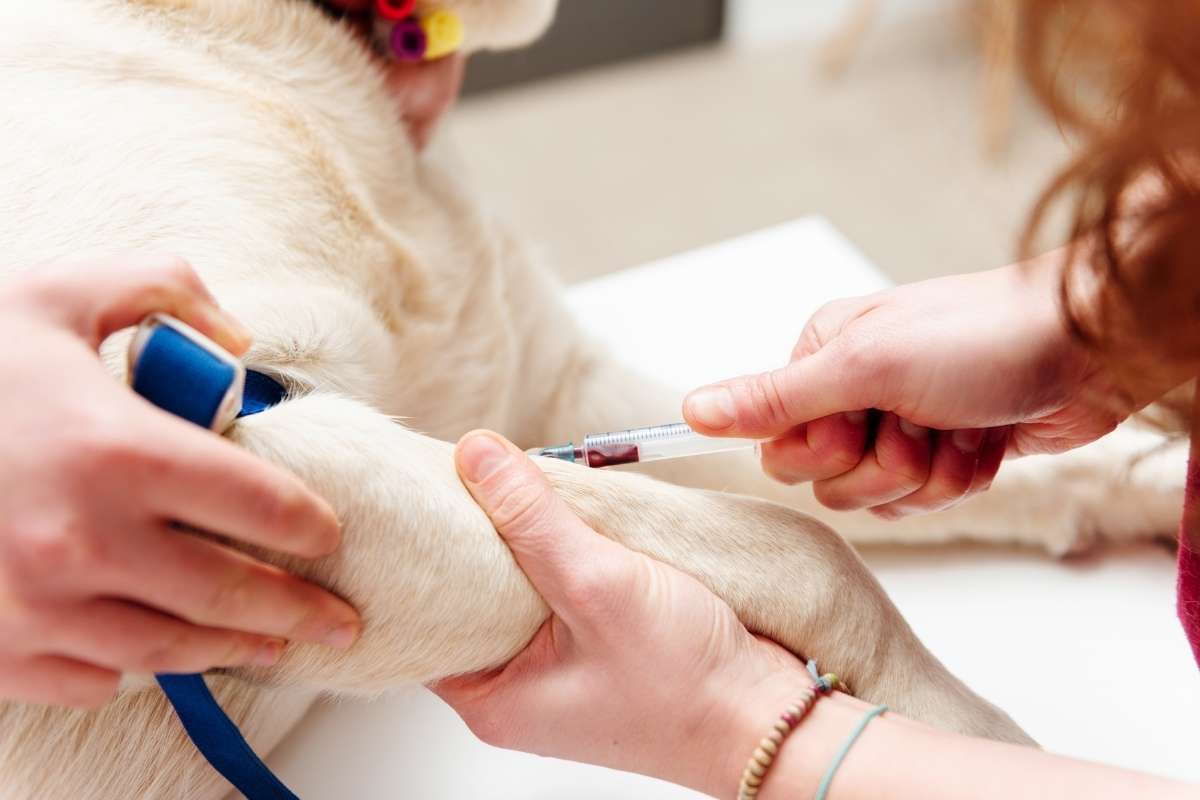
Blood collection is usually quick and minimally stressful for most pets. Veterinary teams typically collect a small blood sample from a vein in the leg or neck.
Results may be available the same day or within a few days, depending on the tests performed.
Veterinarians use the results to evaluate whether additional pet diagnostic care, monitoring, or treatment is necessary.
Routine blood testing is one of the most valuable tools for monitoring the health of aging pets. Early detection of hidden diseases may improve treatment options, support better long-term management, and help pets maintain a higher quality of life as they age. Preventive wellness care allows veterinarians to identify medical concerns before they become more advanced or difficult to treat.
If you’re in Salinas, CA, and need guidance from a vet near you regarding wellness testing or senior pet health concerns, schedule your appointment with Toro Park Animal Hospital. Their team can help evaluate your pet’s health, provide comprehensive diagnostic support, and create personalized care plans focused on healthy aging and long-term wellness.
Frequently Asked Questions
Q1. Why does my senior pet need bloodwork if they seem healthy?
Ans: Many diseases develop gradually without obvious symptoms. Blood tests can help detect hidden problems early.
Q2. How often should older pets have blood tests?
Ans: Many senior pets benefit from annual or semi-annual wellness blood testing, depending on age and health status.
Q3. Can blood tests detect kidney disease early?
Ans: Yes. Bloodwork often helps identify kidney problems before severe symptoms appear.
Q4. Are blood tests painful for pets?
Ans: Blood collection is usually quick and causes only mild temporary discomfort for most pets.
Q5. What diseases can blood tests detect?
Ans: Blood tests may help identify kidney disease, diabetes, liver problems, infections, thyroid disorders, anemia, and more.
Q6. Do cats and dogs both need senior bloodwork?
Ans: Yes. Routine wellness testing is important for aging dogs and cats alike.